

Denmark etiquette: the dos and don’ts
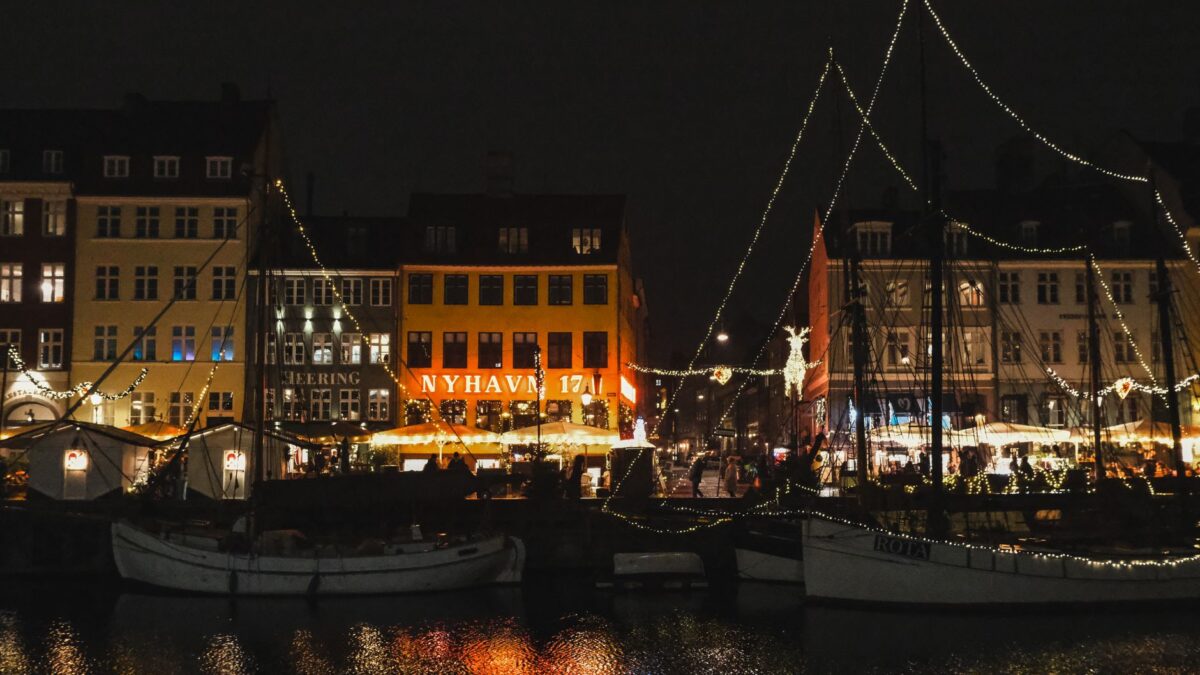
It is dark at four in the afternoon, the wind is biting off the Øresund, and the streets of Indre By are already glowing with candlelight. This is early November in Copenhagen: a season where the city turns inward, shedding its summer tourist veneer to reveal the cozy, structured heart of Danish life. You might think you know how to behave here from movies, but living here has taught me that etiquette is less about stiff rules and more about a quiet, mutual respect for space, time, and equality. If you want to move through our streets like a local rather than a loud outsider, pay attention to these small customs.
The Art of the Greeting
Danes are famously reserved, but this is not coldness; it is privacy. When you enter a shop, a bus, or even just walk past a neighbor, you must engage in indbyrdes hilsen — mutual greeting. It is non-negotiable. Look people in the eye and say “God dag” (good day) or simply “Hej”. If you ignore someone in an elevator or a changing room, you are not being shy; you are being rude. Conversely, do not launch into a personal conversation immediately. We value silence as much as speech. A simple nod and a greeting are enough to signal that you acknowledge another human exists in your shared space.
This extends to queues. Danes line up strictly. If you see a line forming at the bakery for a kanelsnegl (cinnamon bun), costing around 30–45 DKK ($5), you join the back. Cutting in line is viewed as a severe breach of social contract. The same applies to public transport. On the driverless Metro M1 toward Bella Center, everyone stands aside to let passengers exit before boarding. It is efficient, quiet, and deeply respected.
Dining and Drinking: Hygge and Tipping
To eat well in Copenhagen is to accept that it is one of Europe’s most expensive cities. A three-course meal at a mid-range restaurant will set you back roughly 400 DKK ($60), and a draft beer (0.5 L) at a bar is about 60 DKK ($9). However, the culture of dining is relaxed. Unlike France or Italy, tipping is not mandatory. Service charges are included in the bill. If the service was exceptional, leaving 5-10% is a kind gesture, but rounding up the bill or leaving loose change on the table is standard practice. You will never be chased down the street for forgetting a tip.
When dining, especially if you are booking a julefrokost (Christmas lunch) which fills up fast this time of year, punctuality is polite. If you are running late, call. Once seated, wait until everyone is served before eating. In Denmark, we have a strong concept of hygge — coziness and conviviality — but it requires everyone to participate equally. Do not dominate the conversation; listen as much as you speak. If you are drinking, remember that alcohol prices are high due to taxes, so pacing yourself is both financial and cultural wisdom.
Dress Code and Practicalities
Look around Vesterbro or Nørrebro, and you will see that Danes dress practically. We prioritize function over flash. Because the weather is often damp and windy, layers are key. You will rarely see anyone in high heels on cobblestones unless they are attending a very formal event. Comfortable, waterproof shoes are the true status symbol here. As for fashion, the style is understated, minimalist, and neutral. You do not need to dress up to go to a café like Nude Coffee or Next Door Cafe; jeans and a clean shirt are perfectly acceptable.
Another crucial practical note: cash is dying. While some older kiosks might take it, almost every transaction — from a 24 DKK ($3) metro ticket to a smørrebrød at Torvehallerne — is done via card or mobile pay. Ensure your bank card works internationally, or consider getting a digital wallet setup before you arrive. Also, bring a power adapter if you are coming from outside the EU; we use the two-round-pin Type C/K plug.
Navigating Public Space and Nature
Copenhagen is a bicycle city, and cyclists have the right of way. If you are walking, stay on the sidewalks. If you are cycling, use hand signals. Never assume a pedestrian will step out of your way; they likely won’t. Be predictable. If you rent a bike, learn to brake properly. The cycle paths are narrow, and accidents happen when tourists treat bikes like toys rather than vehicles.
When visiting our green spaces, such as Amager Fælled or Dyrehaven (the King’s Garden north of the city), respect the wildlife. In Dyrehaven, you might see free-roaming deer. Keep your distance. Do not feed them. These are wild animals, and feeding them makes them aggressive and unhealthy. Similarly, if you visit Freetown Christiania, remember the specific rules: no photography on Pusher Street and no running. These are local agreements that keep the community safe and unique.
Seasonal Specifics: Navigating Early November
If you are visiting now, you are entering a transitional period. The Christmas markets open on Nytorv and Gammeltorv around November 6th, and Tivoli Gardens opens its Christmas season shortly after. Expect crowds. The metro lines M1 and M2 will be packed, especially heading toward Ørestad or Bella Center for events like Comic Con Denmark. Plan your journey using the Rejseplanen app, not Google Maps, for the most accurate real-time updates.
Also, be aware that this is a politically active time. Students and workers frequently march in the city center, such as the recent protests near Christiansborg. If you see a crowd gathering, it is best to observe from a distance and avoid blocking pathways. Safety in Copenhagen is generally very high, but always be aware of your surroundings, particularly in tourist-heavy areas like Nyhavn where pickpockets may operate.
Finally, embrace the darkness. It is not gloomy; it is atmospheric. Buy a candle at Designmuseum Danmark, grab a hot chocolate, and sit by a window. Watch the world go by. That is the Danish way: finding joy in the small, quiet moments. Come prepared, be respectful, and you will find that we welcome you with open arms — once you have said “Hej.”
Frequently asked questions
Is tipping expected in Copenhagen restaurants?
Tipping is not mandatory as service is included in the bill. However, rounding up the total or leaving 5-10% for exceptional service is appreciated.
What should I wear in Copenhagen in November?
Dress in practical layers. Waterproof shoes are essential due to rain and wind. Fashion is understated and functional, so jeans and a warm jacket are perfect.
Do I need cash for transactions in Copenhagen?
Cash is rarely used. Almost all payments, including transit and cafes, are made by card or mobile phone. Ensure your card works internationally.
How do I handle greetings in public places?
Always greet others in enclosed spaces like elevators, buses, or shops with a simple 'Hej' or 'God dag' while making eye contact. Ignoring others is considered rude.
Are there specific rules for visiting Freetown Christiania?
Yes. No photography is allowed on Pusher Street, and running is prohibited. Respect these local agreements to maintain the area's unique community safety.
Things to do in Denmark
 Private Copenhagen Boat cruise in Scandinavian mahogany boat
 Private Copenhagen Boat Tour: Landmarks and Hidden Gems
 Likely to sell out
Private Copenhagen Family Cargo Bike Tour
 Aarhus City Highlights Tour: History, Culture & Street Art
 2-Hour Private Copenhagen Segway Tour - Your own private group
 Why Danes Are So Happy: The Secret to Danish Happiness, Nørrebro