

Denmark in August 2026: what travelers should know now
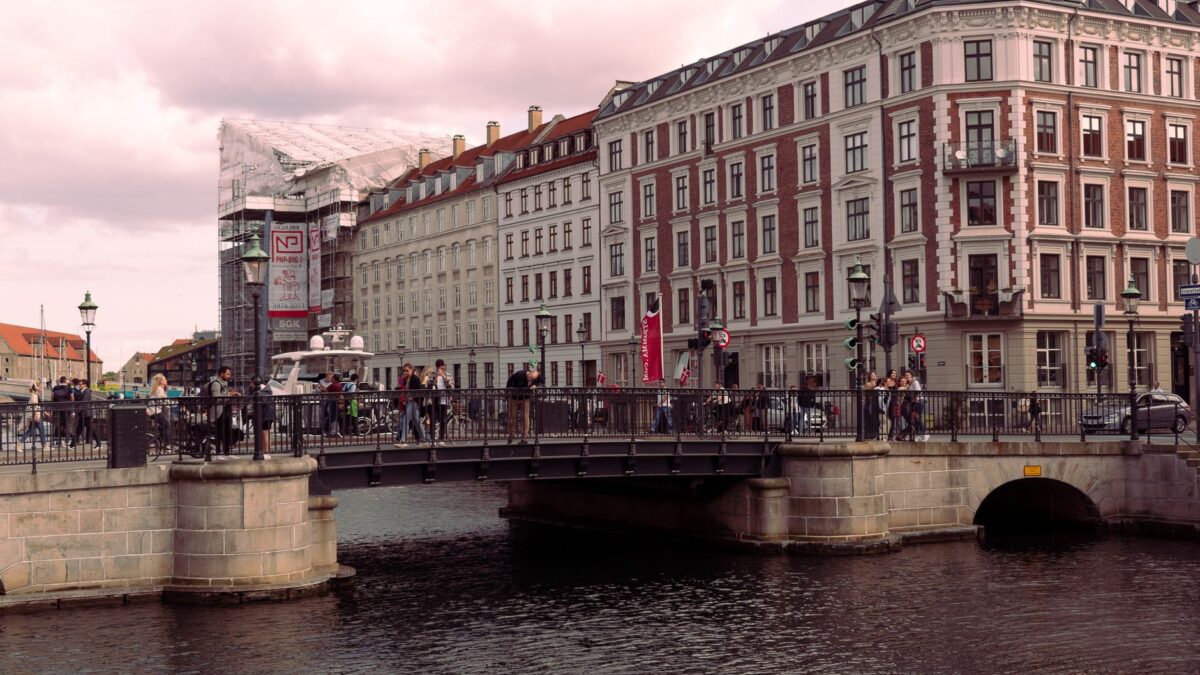
August in Copenhagen is that bittersweet moment when the city is still humming with summer energy, but you can feel the shift coming. The days are getting noticeably shorter—sunrise is around 05:55 and sunset just after 20:29—and the air has that crisp, Atlantic edge. This week, we’re looking at 14–20°C with a light drizzle, about 1mm of rain over a couple of hours. It’s not washout weather, but it’s also not beach-perfect. It’s the kind of day when you start with a coffee under a heat lamp and end with a wool sweater.
What August Feels Like Right Now
August is the tail end of peak season. The crowds are still there—especially around Nyhavn and Tivoli—but they’re thinning out as families head home for school. You’ll find a slightly more relaxed vibe in the neighbourhoods, and some restaurants start shifting their menus toward autumn. Prices are still at their summer high, though: a mid-range hotel will set you back around 1,400–2,000 DKK a night (roughly $245), and a simple meal at an inexpensive spot like a kebab or falafel joint costs 100–150 DKK (about $18). If you’re on a budget, look for the new wave of budget bistros serving set lunches and bavette-and-fries for 78–200 DKK (around $20). That’s the best-value dining trend in the city right now.
Packing is all about layers. Bring a light rain jacket, a warm hoodie or sweater, and comfortable walking shoes. You’ll be fine with jeans and a T-shirt most days, but you’ll want something warmer for the evenings. And don’t forget a small umbrella—the drizzle can come and go quickly.
Public Holidays & What They Mean for You
There are no major public holidays in the coming weeks, but that doesn’t mean nothing changes. Denmark doesn’t celebrate Labor Day in September, and the next big holiday is Christmas. So you won’t have to worry about museum closures or crowded trains for that reason. However, note that many locals take the last week of August to squeeze in a final summer getaway, so some smaller shops and restaurants might have reduced hours. Always check opening times on Google Maps or the venue’s website before heading out.
What’s On: Festivals, Events, and Local Happenings
August is a month of transition, but there’s still plenty going on. The Copenhagen Jazz Festival is typically earlier in the summer, but you’ll find smaller concerts and cultural events throughout the city. Tivoli Gardens is still in full summer mode, with its evening illuminations and rides—it’s a magical way to spend a late August evening. The gardens are open until late, and the crisp air makes the lights even more beautiful.
The Meatpacking District (Kødbyen) in Vesterbro is buzzing with outdoor seating and a lively bar scene. Istedgade, once the red-light district, now has a mix of street art, vintage shops, and trendy cafés. Værnedamsvej, often called ‘Little Paris’, is perfect for a stroll and a coffee.
For a unique experience, head to CopenHill (Amager Bakke) – the waste-to-energy power plant with a ski slope and rooftop bar. It’s open to the public and offers a quirky view of the city. Also, the Reffen street-food market is a great spot for affordable eats (55–150 DKK), and it’s right by the water.
Crowds and Prices: Peak Season Winding Down
August is still peak season, so expect crowds at the big attractions. The National Museum, Rosenborg Castle, and the Ny Carlsberg Glyptotek will have queues, especially midday. To avoid the worst, go early or book tickets online when possible. Museum entry is around 130–150 DKK (about $20), which is reasonable for the quality of collections.
However, the good news is that as August progresses, the crowds do thin. By the last week, you’ll have more breathing room. Hotels are still pricey, but you might find last-minute deals if you’re flexible. The Copenhagen Card, which includes transit and many attractions, can be a good value if you plan to see a lot in a short time.
Getting Around: Transit Tips for Right Now
The Metro runs 24/7, which is a blessing for late-night explorers. A single-zone ticket is around 24 DKK (about $3), and a 24-hour City Pass for zones 1-4 is about 80 DKK (around $12). If you’re staying more than a few days, consider a monthly transit pass (Månedskort) at 600–800 DKK (about $100) if you’re a resident, but for tourists, the City Pass or Rejsekort (check-in/check-out card) are your best bets. Use the DOT billetter app or DSB app for tickets and Rejseplanen for route planning.
Cycling is the Copenhagen way, but August means more cyclists on the road—and more bike theft. Always lock your bike securely, and never leave it unlocked, even for a minute. The fine for riding without a valid ticket is 750 DKK, so make sure you’re always covered.
Local Picks & Practical Tips for Your Visit
Here are a few things I’d recommend for anyone arriving in the next few weeks:
- Explore the neighbourhoods: Vesterbro (trendy, with Kødbyen), Nørrebro (multicultural, with Superkilen Park), Christianshavn (canals, houseboats, and Christiania), Østerbro (family-friendly, with Fælledparken and the Little Mermaid), and Indre By (historic centre). Each has its own vibe.
- Visit the new Nordhavn quarter: It’s a showcase of modern architecture, including the Bjarke Ingels Group HQ and UN City. Konditaget Lüders rooftop activity park is a fun stop for both kids and adults.
- Eat at the budget bistros: Look for places serving set lunches under 200 DKK. Maple Casual Dining, Restaurant Karla, and The Olive Kitchen & Bar are good bets. For a quick bite, Smagsløget sandwiches or Sporvejen are local favourites.
- Coffee culture: Grab a cappuccino at Coffee Collective Torvehallerne or ROAST Coffee. A latte will cost around 50 DKK (about $7), which is a fair price for the quality.
- Swim if you dare: The water is still swimmable in August. Svanemøllestranden and Amager Strandpark are within reach. Just be ready for the cool temperature—it’s invigorating!
- Christiania rules: Photography is banned on Pusher Street, and don’t expect the same rules as the rest of the city. It’s a unique place, but respect the vibe.
August in Copenhagen is a beautiful, slightly melancholic time. The light is golden, the air is fresh, and the city is at its most livable. You’ll need a light jacket, a sense of adventure, and maybe a rejsekort. But more than anything, you’ll need time to just wander, sip coffee, and watch the world go by. Welcome to the Danish summer’s last, lovely gasp.
Frequently asked questions
What weather should I expect in Copenhagen in late August 2026?
Expect temperatures around 14–20°C with occasional drizzle. Bring layers, a rain jacket, and comfortable shoes. Evenings are cool.
Is August a busy time to visit Copenhagen?
Yes, August is peak season, but crowds start thinning toward the end of the month. Book accommodations early for best choices.
What are the best budget-friendly dining options in Copenhagen right now?
Look for new budget bistros offering set lunches or bavette and fries for 78–200 DKK. Reffen street-food market has meals for 55–150 DKK.
Do I need a visa to visit Denmark from the US, UK, or Canada?
For stays up to 90 days in any 180-day period, no visa is needed for these nationalities. Longer stays or work require a permit.
Is the Copenhagen Card worth it in August?
It includes transit and many attractions, so if you plan to see several museums and use public transport daily, it can save money. Check the current price and plan accordingly.
Things to do in Denmark
 Private Copenhagen Boat cruise in Scandinavian mahogany boat
 Private Copenhagen Boat Tour: Landmarks and Hidden Gems
 Likely to sell out
Private Copenhagen Family Cargo Bike Tour
Likely to sell out
Private Copenhagen Family Cargo Bike Tour
 Aarhus City Highlights Tour: History, Culture & Street Art
 2-Hour Private Copenhagen Segway Tour - Your own private group
 The Secret to Danish Happiness: Nørrebro Culture & Fairytales