

Denmark in October 2026: what travelers should know now
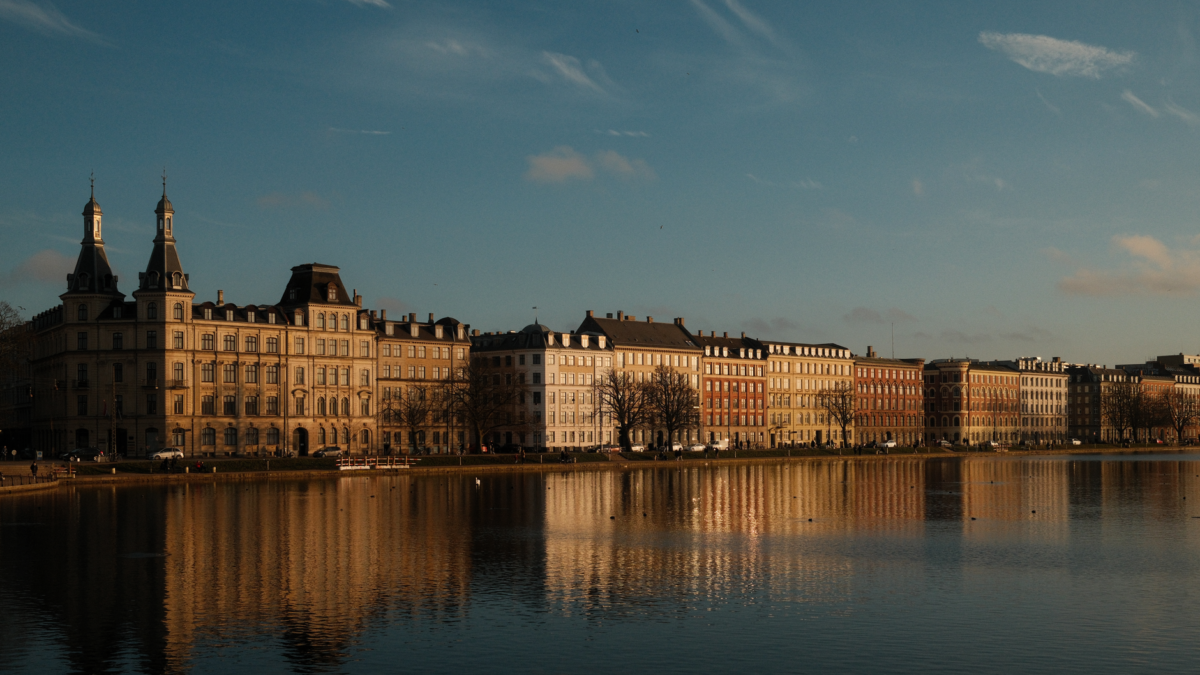
The air has shifted in Copenhagen. The lingering warmth of August is gone, replaced by a crisp, damp chill that signals the true arrival of autumn. As of October 2026, the city is pivoting from late-summer terrace evenings into candle-lit coziness. You will notice it immediately: cyclists are switching on their lights earlier, bakeries are overflowing with apples and pumpkins, and the light fades quickly, casting long shadows over the cobblestones. This is not the time for sunbathing; it is the season for embracing the hygge, exploring indoor museums, and navigating the vibrant cultural calendar that defines this month.
Weather and What to Pack
Right now, the weather in Copenhagen is typical for early autumn but demands respect. Expect temperatures hovering between 14°C and 19°C (57–66°F), often under an overcast sky. Rain is likely, and while it may be light, it is persistent. The daylight hours are shrinking rapidly, with sunrise at 07:12 and sunset by 18:45, giving you roughly eleven hours of usable light for sightseeing.
Pack accordingly. A waterproof jacket is non-negotiable, as is a pair of comfortable, sturdy walking shoes—cobblestones become slippery when wet. Layering is key; you will want to peel off layers if you find yourself indoors at a museum or a crowded restaurant. If you are arriving this week, keep your expectations realistic: the grey skies are part of the charm, reflecting beautifully in the harbour waters, but they do require preparation. Do not leave home without an umbrella, even if the forecast looks clear.
Events and Cultural Highlights
October is packed with specific events that locals and savvy travelers alike prioritize. The biggest immediate highlight is Kulturnatten (Copenhagen Culture Night) on Friday, 9 October 2026. From 18:00 to 23:59, over 200 museums, churches, libraries, and institutions stay open late. This is a unique opportunity to access places like Cisternerne, which is hosting a special one-night-only sound-and-light installation called Unearth x Strøm. Note that Marina Abramović’s show is closed that night, so check schedules carefully. Admission requires a Culture Pass, which you can buy in advance or at any 7-Eleven. For more details, visit politi.dk.
Another major event is the Autumn School Holiday (efterårsferie), running from 10–18 October 2026. While this is primarily for Danish families, it transforms the city’s cultural venues. Museums switch to “family mode.” For instance, Politimuseet runs a daily 10–16 children’s detective programme, and DR Koncerthuset stages ‘Eventyrlig efterårsferie’ featuring Ramasjang hosts, sound-treasure hunts, and light/sound worlds (specifically 10–12 October). If you are traveling with children, these events are fantastic; if you prefer quiet, expect crowds.
For those interested in history and forensics, there is a live evening talk at Politimuseet titled ‘Dødens årsag’ (The Cause of Death) with forensic pathologist Asser Thomsen on Thursday, 8 October 2026, from 17:00 to 19:00. Tickets include exhibition access and are available via politi.dk.
Tivoli Gardens officially opens its Halloween season on Friday, 2 October 2026. This is the first big seasonal change residents notice in the city centre, with gardens decked out in pumpkins and autumn lighting. It is a must-visit for the atmosphere alone.
Transport and Practical Updates
Public transport in Copenhagen is undergoing significant changes. The zone-based DOT network (metro, S-tog, buses, and harbour buses) is moving entirely app-based. The physical Rejsekort card is being retired in 2026, replaced by the Rejsekort app (for pay-as-you-go travel with ~20% off-peak discounts) and the Rejsebillet app. Visitors should look into buying the City Pass (24–120 hours) or the Copenhagen Card, which includes transport and entry to 80 attractions.
Be aware of recent track work. There have been reduced services on the Cityringen (M3 line), which runs in one direction only, and no trains between DR Byen and Vestamager during overnight hours on 24–25 September 2026. Additionally, there are overnight gaps on the M4 Airport/Østerport stretch. If you are traveling late at night, check m.dk for real-time updates. The driverless Metro (lines M1–M4) still runs 24/7, and the M2 reaches the airport from town in about 15 minutes.
Costs are rising slightly. Public transport fares were raised approximately 1% in January 2026 and again by ~2 DKK on 4–6-zone singles in August 2026. A single transit fare for minimum zones (75 minutes) is now around 24 DKK ($3). For longer stays, a monthly commuter pass (Pendlerkort, 4 zones) costs about 865 DKK ($65) per 30 days.
Crowds, Costs, and Seasonal Vibe
Is October peak season? No. It is shoulder season. Prices for accommodation are generally lower than in summer, but demand spikes during the school holiday week (10–18 October). If you are visiting then, book restaurants and hotels well in advance. Outside of the holiday week, the city is quieter, making it easier to get tables at popular spots.
Dining costs remain high, as Copenhagen is one of Europe’s priciest capitals. A realistic daily spend ranges from 450 to 1,500 DKK. An inexpensive local meal costs about 150 DKK ($22), while a mid-range restaurant dinner (three courses, per person) runs 350–400 DKK ($55). For a quick bite, classic smørrebrød (open rye-bread sandwich) at a lunch place is 85–185 DKK each ($20). At Torvehallerne food market, a stall lunch or snack is 75–150 DKK ($16). A budget sit-down lunch buffet (main + salad type) is approximately 79–100 DKK ($13).
Rent prices reflect this cost of living: a modest one-bedroom flat costs 10,000–13,500 DKK/month ($1,700), with centre prices reaching 13,300–20,000 DKK. While you are here, enjoy the seasonal feel. Early October is the pivot point where the city braces for winter. Visit Kongens Have behind Rosenborg Castle or the University of Copenhagen Botanical Garden’s Palm House for free, green escapes. Locals swim in the clean inner harbour at Islands Brygge Havnebadet, even in cooler water.
Visa, Banking, and Safety Tips
If you are staying for less than 90 days, US, UK, Canadian, Australian, and many other passport holders do not need a visa within the Schengen Area. For longer stays, EU/EEA/Swiss citizens need only register, while non-EU citizens must obtain a residence/work permit from SIRI before arrival via newtodenmark.dk.
Once settled, register at International Citizen Service (ICS) Copenhagen or your local Borgerservice to get your CPR number (10-digit, DDMMYY-XXXX). Your yellow health card arrives by post in 2–4 weeks. Activate MitID (the national digital ID that replaced NemID in 2023), which is essential for e-Boks/Digital Post, bank logins, and sundhed.dk.
Banking is straightforward but requires presence. Open an account in person with your passport, CPR number, and Danish address at banks like Danske Bank, Nordea, Jyske Bank, Nykredit, Arbejdernes Landsbank, or digital-native Lunar. Designate it your NemKonto (for salaries and tax refunds). MobilePay, used by most Danes for everything, requires a Danish bank account, CPR number, and a Danish mobile number. Buy a prepaid SIM or eSIM at 7-Eleven upon arrival, running on Telenor, Telia, TDC/YouSee, or 3 (Tre) networks. A Danish phone number is effectively required for setup.
Safety is high; Copenhagen is one of the safest big cities in the world. However, always carry a valid ticket—fines are steep (~750 DKK on metro/train, ~1,000 DKK on buses). Watch for pickpockets in crowds around Nyhavn and Strøget. Most importantly, never wander into cycle lanes. Bikes have right of way, and accidents are common. Respect the flow of cyclists, especially in districts like Nørrebro and Vesterbro, which are bike-heavy.
In summary, October 2026 offers a rich, atmospheric experience in Denmark. Embrace the rain, secure your tickets for Kulturnatten and Tivoli, and prepare for the school holiday crowds. With the right gear and planning, you will find the city’s autumnal charm irresistible.
Frequently asked questions
When is Copenhagen's Culture Night (Kulturnatten) in October 2026?
Kulturnatten takes place on Friday, 9 October 2026, from 18:00 to 23:59. Over 200 venues stay open late, but admission requires a Culture Pass bought in advance or at a 7-Eleven.
How much does a meal cost in Copenhagen right now?
An inexpensive local meal is about 150 DKK ($22), while a mid-range three-course dinner per person is 350–400 DKK ($55). A quick snack at Torvehallerne costs 75–150 DKK ($16).
Are there public transport strikes or disruptions in October 2026?
There have been recent overnight track works affecting the M3 and M4 lines. The physical Rejsekort is being retired in 2026, so use the Rejsekort or Rejsebillet apps. Check m.dk for real-time updates.
What is the best way to pay for small purchases in Denmark?
MobilePay is widely used by Danes for almost everything. To use it, you need a Danish bank account, a CPR number, and a Danish mobile number. Cash is rarely needed.
When is the Autumn School Holiday (efterårsferie) in Denmark?
The autumn school holiday runs from 10–18 October 2026. During this week, museums and venues operate in family mode, leading to higher crowds.
Things to do in Denmark
 Private Copenhagen Boat cruise in Scandinavian mahogany boat
 Sights & Gems: Medieval Copenhagen & Nyhavn with a local host
 Private Copenhagen Boat Tour: Landmarks and Hidden Gems
 Likely to sell out
Private Copenhagen Family Cargo Bike Tour
Likely to sell out
Private Copenhagen Family Cargo Bike Tour
 Aarhus City Highlights Tour: History, Culture & Street Art
 2-Hour Private Copenhagen Segway Tour - Your own private group