

Denmark in September 2026: what travelers should know now
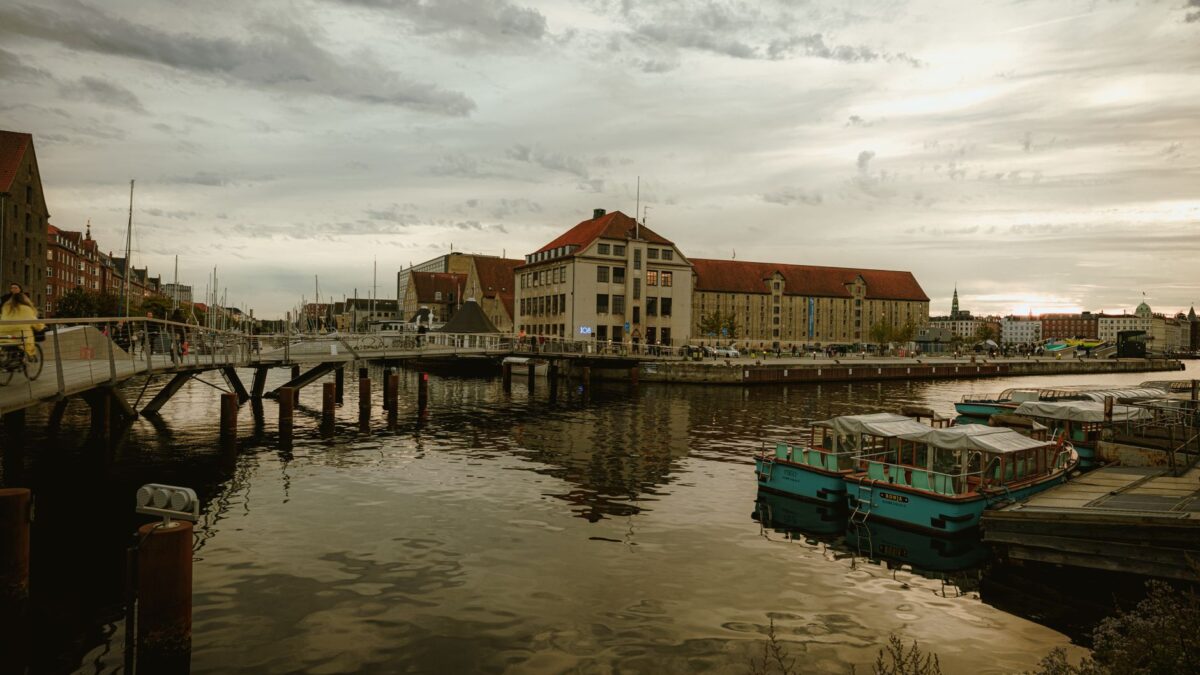
The light in Copenhagen right now is that specific, golden-hour glow that only exists in early September. The summer crowds have thinned out just enough to let you hear the water lapping against the canal walls at Nyhavn, but the terraces are still full. As of today, September 6, 2026, the city is caught between the lingering warmth of late summer and the crisp promise of autumn hygge. If you are planning a trip now, you are arriving at one of the most atmospheric windows of the year: the weather is mild, the events are peaking, and the locals are finally enjoying their own city again.
Weather & Packing for Early September
Right now, the forecast shows temperatures hovering between 15°C and 20°C (roughly 59–68°F). It is overcast with a wind coming in at around 32 km/h, so that fresh sea breeze from the Øresund will be felt on your skin. Daylight lasts from approximately 06:24 to 19:51, giving you plenty of time to explore without rushing. This is not the beach weather of July; this is “layering” weather.
Pack a waterproof jacket—wind is the main factor here, not necessarily rain—and bring sturdy walking shoes. You will want layers: a t-shirt for midday sun, a sweater or fleece for the evening chill, and a scarf if you plan to sit outside for dinner. The city feels alive in this transition, but it requires practical dressing. Don’t leave your heavy coat at home, but you won’t need winter gear yet. Just respect the wind.
Festivals & Cultural Moments This Month
September is a cultural goldmine in Copenhagen, and several major events are happening right now or wrapping up their seasons. First, Tivoli Gardens is hosting its Garden & Flower Festival. Running until September 13, 2026, the park is filled with florist installations, garden walks, and market stalls. It is the perfect way to experience the last hurrah of summer before Tivoli shifts into its autumn schedule. If you go, go in the late afternoon to catch the lights turning on.
For those interested in movement and performance, the brand-new ‘yes – dance biennale’ has just debuted. It runs through September 28, 2026, transforming Copenhagen’s stages, studios, and public spaces into venues for contemporary dance. It is a month-long exploration that spans the city, so check the schedule for venues near where you are staying. Meanwhile, if you enjoy literature, head to Sydhavn on September 6 for the Sydhavnens Litteraturfestival. This free day of music and literature performances runs from 11:00 to 18:00 at Karens Minde Kulturhus, offering a relaxed, community-focused vibe away from the tourist center.
Also worth noting is the Århusgade District Street Festival in Nordhavn. Taking place on September 5, this neighborhood market took over the streets with local activities, though if you missed it, keep an eye on similar smaller district festivals popping up as the month progresses. For evening culture, Kvart i Weekend continues through September 25, featuring concerts and talks around Slotsholmen and Gammel Strand, mostly on Thursdays and Fridays. It is a great way to end the week with local art and conversation.
Navigating Costs & Daily Spending
Copenhagen remains one of Europe’s priciest capitals, but knowing what to expect helps budget effectively. A realistic daily spend ranges from 450 to 1,500 DKK depending on your choices. For food, an inexpensive local meal costs about 150 DKK ($22), while a mid-range restaurant dinner for three courses per person runs 350–400 DKK ($55). If you are sharing, expect to pay around 700–800 DKK for two.
Street food is a fantastic value option. A classic Danish hot dog (pølse med brød) from a cart is roughly 35–47 DKK ($6), and a lunch buffet can be found for 79–100 DKK ($13). At Torvehallerne, the famous food market, expect to spend 75–150 DKK ($16) for a stall lunch or snack. Smørrebrød, the iconic open rye-bread sandwich, varies widely from 85 to 185 DKK each, depending on the toppings and establishment.
Transportation fares were adjusted recently, with increases implemented in August 2026. A single transit fare for minimum zones (75 minutes) is 24 DKK ($3). If you are staying longer, a monthly commuter pass (Pendlerkort) for four zones is 865 DKK ($65). Public transport is efficient, but always carry a valid ticket. Fines are steep: approximately 750 DKK on metro/train and 1,000 DKK on buses. Inspectors are active, especially in crowded areas.
Practical Tips for Arriving Now
If you are visiting, note that the physical Rejsekort card is being retired in 2026. The system is moving app-based. Visitors should use the Rejsekort app for pay-as-you-go travel (which offers about a 20% off-peak discount) or the Rejsebillet app. Alternatively, consider the City Pass (24–120 hours) or the Copenhagen Card, which includes transport and entry to 80 attractions. The driverless Metro runs 24/7, with lines M1–M4 reaching the airport in about 15 minutes via the M2 line.
Safety is generally high; Copenhagen is consistently ranked as one of the safest big cities globally. However, pickpockets can be an issue in crowded spots like Nyhavn and Strøget. Be mindful of cyclists—they have the right of way and move quickly. Never wander into cycle lanes. Also, remember that US, UK, Canadian, Australian, and many other passport holders can visit visa-free for up to 90 days within the Schengen Area. For longer stays, EU/EEA/Swiss citizens need to register, while non-EU citizens must obtain a residence/work permit from SIRI before arrival.
Digital life here revolves around MitID, the national digital ID that replaced NemID in 2023. While tourists don’t need this, locals use it for everything from banking to government services. If you stay long-term, you will need to activate it after registering at International Citizen Service (ICS) or Borgerservice. For short trips, just enjoy the ease of cashless payments; MobilePay is ubiquitous among locals, but credit cards are widely accepted in shops and restaurants.
Frequently asked questions
What is the weather like in Copenhagen in early September 2026?
Expect temperatures between 15–20°C with overcast skies and moderate wind (around 32 km/h). Pack layers and a waterproof jacket for the brisk evenings.
Are there any major festivals happening in Copenhagen this month?
Yes. Tivoli Gardens hosts its Garden & Flower Festival until Sept 13. The 'yes – dance biennale' runs through Sept 28, and the free Sydhavnens Litteraturfestival takes place on Sept 6.
How much does a typical meal cost in Copenhagen right now?
An inexpensive local meal is about 150 DKK ($22). A mid-range dinner for three courses is 350–400 DKK ($55). Street food like hot dogs is 35–47 DKK ($6).
How do I buy train tickets in Copenhagen in 2026?
The physical Rejsekort is being phased out. Use the Rejsekort app for pay-as-you-go travel or buy a City Pass/Copenhagen Card for convenience. Fines for invalid tickets are ~750–1,000 DKK.
Do I need a visa to visit Denmark from the US or UK in September 2026?
No. Citizens of the US, UK, Canada, Australia, and many others can visit visa-free for up to 90 days within the Schengen Area for tourism.
Things to do in Denmark
 Likely to sell out
Private Copenhagen Boat cruise in Scandinavian mahogany boat
Likely to sell out
Private Copenhagen Boat cruise in Scandinavian mahogany boat
 Sights & Gems: Medieval Copenhagen & Nyhavn with a local host
 Private Copenhagen Boat Tour: Landmarks and Hidden Gems
 Private Copenhagen Family Cargo Bike Tour
 Aarhus City Highlights Tour: History, Culture & Street Art
 2-Hour Private Copenhagen Segway Tour - Your own private group