

Dominican Republic etiquette: the dos and don’ts
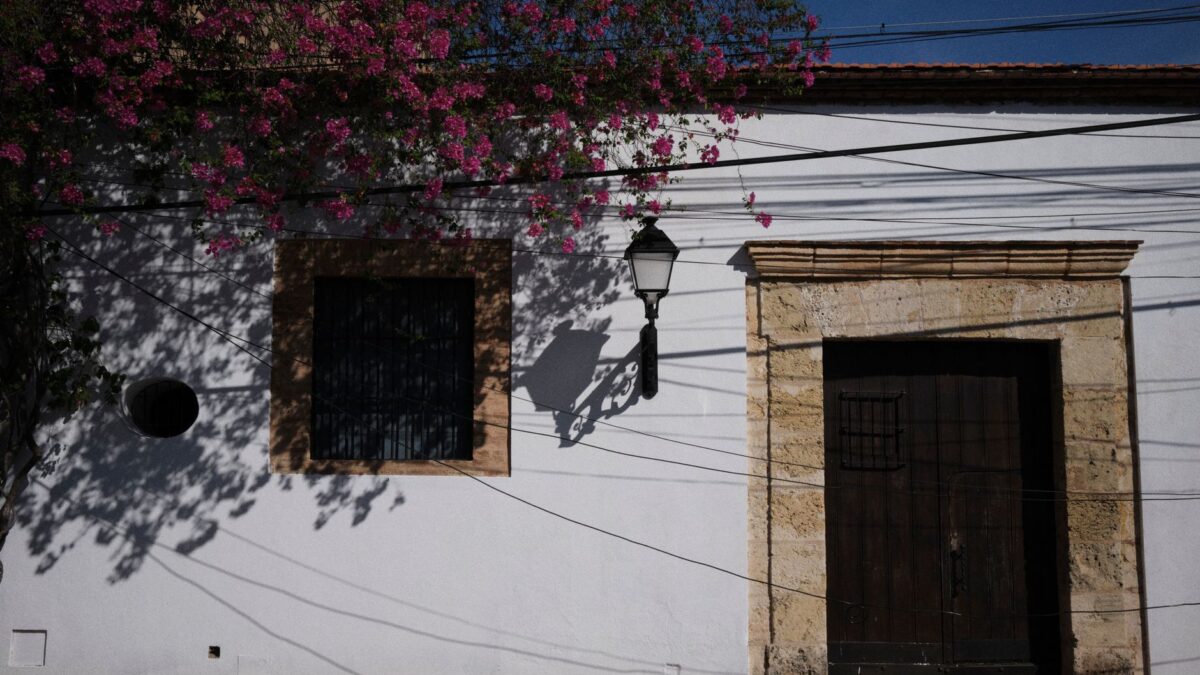
It is a damp, grey morning in Santo Domingo, the kind where the drizzle turns the cobblestones of Calle Las Damas into a slick mirror. You are standing near Parque Colón, watching the bronze statue of Columbus overlook the oldest cathedral in the Americas. The air smells of wet stone and roasting coffee. This is not the postcard sun-drenched beach you might expect from the Caribbean; this is the real, breathing heart of the Dominican Republic, a city of layers where colonial history bumps up against modern ambition. If you are here to walk these streets with respect, you need to understand that Dominican culture is not just about what you see, but how you move through it.
The Art of the Greeting: Never Rush ‘Hola’
In many parts of the world, efficiency is king. In the Dominican Republic, relationship is king. As you step out of your hotel—perhaps the Hotel Class Colonial Boutique Hotel or something more central like the Dominican Fiesta Hotel Santo Domingo—you will find that transactions are secondary to connection. When you enter a small shop, a colmado, or even a restaurant, do not immediately ask for the menu or the price. That is considered abrupt, almost rude.
You must greet everyone present. A simple “Buenos días” or “Buenas tardes” with eye contact is mandatory. In the Zona Colonial, where tourists often rush past the Fortress of Columbus to get to the next photo op, locals notice when visitors ignore them. Take five seconds. Smile. Ask how someone’s day is going. It signals that you see them as a person, not a service provider. This warmth extends to dining. At a place like El Gallego, you are not just buying food; you are sharing space. Acknowledge the staff before you order. It changes the tone of the entire meal from a transaction to an experience.
Dining Like a Local: Tips, Taxes, and Tostones
Food is the soul of Dominican hospitality, but the etiquette around the table has specific rules that can trip up the uninitiated. First, understand the bill. Restaurant prices are subject to an 18% ITBIS (sales tax) plus a 10% legal service charge. These are added automatically. However, tipping is still expected for good service. A 10-15% tip on top of the total is standard if you enjoyed your meal. If you are eating at a humble comedor where a plate of la bandera dominicana (rice, beans, meat, salad, and tostones) costs around RD$200–350, leaving small change or rounding up is the polite custom.
When dining, dress matters. While Santo Domingo is humid, the Zona Colonial is historic. Avoid wearing swimwear or overly revealing clothing away from the beach zones. If you plan to visit the Catedral Primada de América, shoulders and knees must be covered. This is non-negotiable. For dinner, smart casual is the norm. Even if you are grabbing a chimi (street burger) from a cart for about RD$200–350, neatness is appreciated.
Do not waste food. Dominicans take pride in their cuisine, from the fresh jugo natural alongside your meal to the slow-cooked stews. If you cannot finish a portion, it is fine, but do not complain about the portions being too large; they are generous by design. Also, note that while you can pay by card in upscale spots like Jalao or El Conuco, cash (Dominican pesos) is still king in markets and smaller eateries. Carry small bills; breaking a large note for a RD$100 beer can be difficult for vendors.
Moving Through the City: Transport and Space
Santo Domingo is a city of contrasts. You have the sleek glass towers of Piantini and the historic grid of the Colonial Zone. Navigating it requires patience and awareness. The Metro is efficient, cheap (RD$20 per ride), and safe, but it does not reach the tourist core. You will likely use apps like Uber or DiDi for short hops, which cost roughly RD$310–490 for a 5km ride. Do not hail unmarked street taxis unless you negotiate the price firmly beforehand; scammers target tourists who look lost.
Etiquette in transit is subtle. On the bus or in a shared taxi, offer your seat to elderly passengers or women with children. This is deeply ingrained. When walking in areas like Gazcue or near the Plaza de la Cultura, be mindful of your surroundings. The city is vibrant but can be chaotic. Do not block doorways or sidewalks with your group. Keep conversations at a moderate volume; Dominicans are loud by nature, but there is a difference between lively chatter and disrupting the peace. Especially in residential areas like Naco or Bella Vista, respect the quiet of the neighborhood after 10 p.m.
Dress Code and Daily Life
While the weather is warm, the cultural dress code leans conservative in formal or religious settings. In the business district of Piantini, men wear suits and women wear professional attire. In the tourist zones, it is more relaxed, but “beach clothes” are strictly for the beach. Walking from Boca Chica back to your hotel in full swimwear is frowned upon. Change into clean, dry clothes before entering shops or restaurants.
Also, be aware of the local rhythm. Late November marks the tail end of the wet season, sliding into the cooler pre-Christmas stretch. You might see Christmas decorations going up early in malls like Blue Mall or Ágora Mall. During this time, office parties and family gatherings fill the evenings. If you are invited to such a gathering, bring a small gift—wine or chocolates are appropriate—and always arrive on time, or call if you are late. Punctuality is respected, though social events may start a bit later than scheduled.
Small Customs That Matter
There are tiny gestures that define your status as a considerate visitor. Always say “por favor” (please) and “gracias” (thank you). Even if your Spanish is limited, using these words earns immediate goodwill. When receiving change, count it quietly; counting loudly can be seen as distrustful. If you buy crafts at the Mercado Modelo, haggle gently and politely. It is part of the dance, but do not insult the artisan’s work.
Finally, be respectful of the history. Santo Domingo was renamed Ciudad Trujillo during the dictatorship, and that era is still a sensitive topic for older generations. Stick to discussing the rich Taíno heritage, the colonial architecture, and the vibrant modern culture. Ask permission before photographing people, especially in less touristy neighborhoods like Polígono Central or Los Cacicazgos. A smile and a nod go further than any camera lens. By following these unwritten rules, you do not just visit the Dominican Republic; you connect with it.
Frequently asked questions
What should I wear when visiting churches in Santo Domingo?
You must cover your shoulders and knees to enter religious sites like the Catedral Primada de América. Avoid sleeveless tops, short shorts, or skirts above the knee.
Is tipping required in Dominican restaurants?
Yes, while an 18% tax and 10% service charge are usually included, leaving an additional 10-15% tip for good service is standard practice in sit-down restaurants.
How do I greet people in a shop or restaurant?
Always greet everyone present with 'Buenos días' or 'Buenas tardes' before making a request. Ignoring staff or other customers is considered rude.
What is the best way to get around the Zona Colonial?
The Metro does not reach the Colonial Zone. Use app-based rideshares like Uber or DiDi, or official airport taxis, rather than unmarked street taxis.
Things to do in Dominican Republic
 Professional Photographer in Punta Cana for Private Events
 VIP Transfer from Punta Cana Airport to Punta Cana / Bavaro Hotel
 Special offer
Buggy & ATV Adventure with 3 stops, Typical House + Beach + Cenote
 Hip Hop Party Boat Punta Cana with Snorkeling Only Adults
 Private Luxury Catamaran - Saona or Catalina island
 PARTY BOAT - Private Sailing Catamaran