

Dominican Republic in November 2026: what travelers should know now
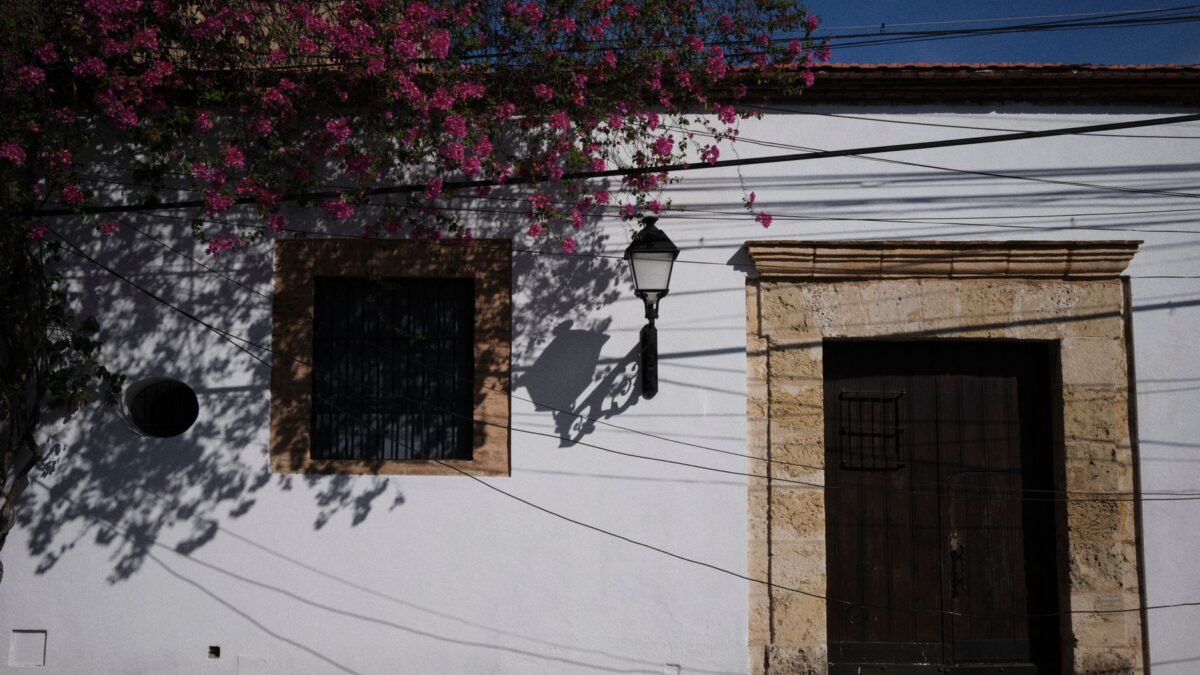
The air in Santo Domingo has finally shifted. If you’re walking down Calle Las Damas this week, you’ll feel it: the oppressive, sticky humidity of the hurricane season is breaking, replaced by a crisp, cool breeze that smells faintly of rain and early Christmas lights. It’s November 17, 2026, and the city is caught in a beautiful, chaotic limbo. We are sliding out of the rainy season and into the high season, but right now, the streets are wet, the merengue is loud, and the Christmas spirit is already kicking off its engines.
Weather: Pack for the Wet-Dry Transition
As of today, Santo Domingo is sitting at a comfortable 13–22°C, which feels almost like autumn if you’re used to tropical heat. There has been light drizzle overnight—about 1mm of rain over six hours—but don’t let the forecast fool you. Mid-November is still technically the tail end of the humid hurricane season. You can expect sudden, heavy afternoon downpours that turn low-lying barrios into temporary rivers. The COE issued a green alert recently for urban flooding, so keep an eye on local news if you plan to visit river crossings or balnearios; they are currently advised against due to swollen cañadas.
Pack layers. Mornings and evenings are genuinely cool, often requiring a light jacket or sweater. Afternoons can still swing back to warm and sticky. A compact umbrella is non-negotiable. But here is the good news: the evenings are becoming perfect for outdoor dining and walking along the Malecón without sweating through your shirt.
What’s Happening Now: Festivals and Street Art
Santo Domingo is throwing itself into two major cultural moments right now, and both are free to enjoy if you know where to look. First, the city is officially lighting up for the holidays. Villa Navidad 2026 launched last Tuesday in the gardens of the Palacio de los Deportes Virgilio Travieso Soto. This isn’t just a few strings of lights; it’s the kickoff of the entire Christmas season, featuring merengue performances and elaborate installations. It’s open ongoing, so make it your first stop to get in the spirit.
For music lovers, the energy is centered around Parque Eugenio María de Hostos. Merengueros, el festival took over the park earlier this week with a lineup that includes legends like Wilfrido Vargas, Fernando Villalona, and Toño Rosario. While the main three-day run was mid-week, the crowds were massive, and traffic around the park remains heavy late into the night. If you want to catch the vibe, aim for the evening hours, but be prepared for congestion.
On the more artistic side, head to Ensanche La Fe. The REMOZARTE mural festival is currently painting six Dominican artists—including Edgar Valerio and Yudelkis Castro—into the streets around Calle Peña Batlle. It’s a gritty, vibrant transformation of the neighborhood, happening right now through the weekend. It’s a great way to see a side of the city most tourists never reach.
Transportation Warnings and Tips
If you are relying on public transit, pay close attention. The Teleférico de Los Alcarrizos (Line 2) was pulled out of service on November 11 after a safety-system alarm triggered. As of today, OMSA buses are running as substitutes for riders in that corridor. Do not attempt to use the cable car for this route until official notice says otherwise.
For general movement, the Metro de Santo Domingo remains the best value in the Caribbean. A single fare is frozen at RD$20 (about $0.30), and if you need to transfer between the Metro, Teleférico, and OMSA buses within 30–45 minutes, the integrated ticket is RD$35 (about $0.60). These prices have barely changed in years, making them incredibly cheap compared to US or European standards.
However, the Metro does not go everywhere. It doesn’t reach the Zona Colonial, the Malecón, or Faro a Colón. For those areas, do not hail unmarked street taxis unless you are comfortable negotiating hard prices. Use app-based services like Uber, DiDi, or Cabify. A short ride across town should cost between RD$310 and RD$490 (approx. $5–$8). Traditional taxi bases start around RD$150–185 for very short hops, but apps are safer and clearer on price.
Dining and Daily Costs
November is still shoulder season, meaning hotel rates haven’t hit their December peak yet, but restaurant prices remain steady. Santo Domingo is remarkably affordable. You can eat a full la bandera dominicana—rice, beans, meat, salad, and tostones—at a local comedor for RD$200–350 (about $5). If you want a sit-down lunch at a mid-range spot, expect to pay RD$500–800 (about $11) for a main dish.
Don’t leave without trying a chimi, a chimichurri-marinated street burger from a cart, which runs RD$200–350. Pair it with a fresh-squeezed juice like chinola or lechoza for RD$50–100. Beer is cheap too: a bottle of Presidente in a colmado (corner store) is around RD$100–150, though bars will charge RD$200–300. Remember that restaurant menus add 18% ITIS tax and a 10% legal service charge to the final bill, so factor that into your budgeting.
Practical ‘Right Now’ Advice
Safety: The Zona Colonial is patrolled by CESTUR tourism police and is safe during the day. However, the narrow streets empty out and dim after 6 PM. Take an app taxi home rather than walking alone at night. Also, given the recent tragic events at nightlife venues, always verify that any club or large venue you plan to visit is operating safely and has passed inspections.
Entry Rules: If you are from the US, UK, EU, Canada, or several Latin American countries, you enter visa-free for 30 days. The tourist card fee is included in your airfare. Crucially, you must fill out the free E-Ticket (eticket.migracion.gob.do) before arrival and again before departure. Note that the passport validity rule has been relaxed until Dec 31, 2026; your passport only needs to be valid for the duration of your stay, not necessarily six months beyond it.
Banking: Tourists generally cannot open local bank accounts. Rely on ATMs inside banks like BanReservas or Banco Popular, which are widely available in Piantini and Naco. Cash is still king in markets and smaller shops, while cards work in malls and upscale restaurants.
Frequently asked questions
Is the Teleférico de Los Alcarrizos operational in November 2026?
No. Line 2 was taken out of service on November 11 due to a safety alarm. OMSA buses are currently substituting for riders in that corridor.
What is the current weather in Santo Domingo this month?
Temperatures are cooling to 13–22°C with light drizzle. It is the transition period between the rainy hurricane season and the dry winter, so pack for both cool nights and sudden afternoon storms.
Are there free festivals happening in Santo Domingo right now?
Yes. Villa Navidad 2026 has launched holiday festivities at the Palacio de los Deportes, and Merengueros festival featured major artists at Parque Eugenio María de Hostos earlier this week.
How much does a meal cost in Santo Domingo in November 2026?
A local comida corrida (plate of rice, beans, meat, and tostones) costs about RD$200–350 ($5). Mid-range restaurant lunches are around RD$500–800 ($11), excluding the mandatory 28% tax and service charges.
Do I need a visa to enter the Dominican Republic from the US or Europe?
No. Visa-free entry is granted for 30 days. The tourist card fee is included in airline tickets, and you must complete the free E-Ticket form online before travel.
Things to do in Dominican Republic
 Professional Photographer in Punta Cana for Private Events
 VIP Transfer from Punta Cana Airport to Punta Cana / Bavaro Hotel
 Special offer
Buggy & ATV Adventure with 3 stops, Typical House + Beach + Cenote
 Hip Hop Party Boat Punta Cana with Snorkeling Only Adults
 Private Luxury Catamaran - Saona or Catalina island
 PARTY BOAT - Private Sailing Catamaran