

Ethiopia in August 2026: what travelers should know now
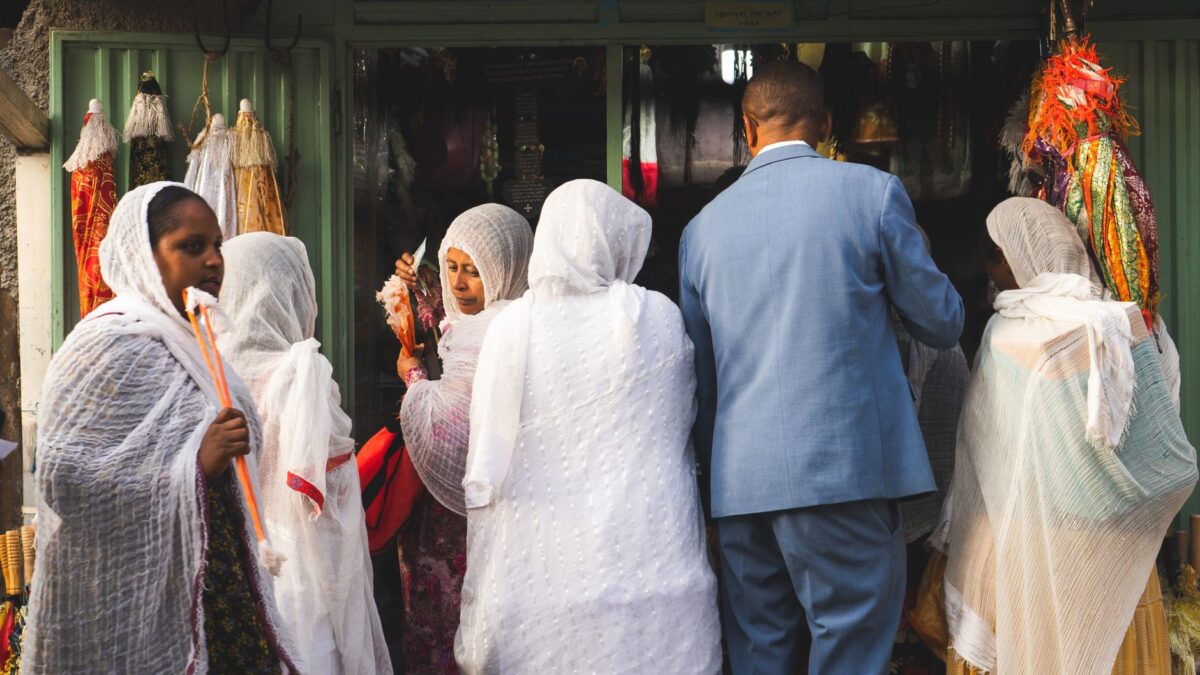
The rain is tapping on the tin roofs of Bole as I write this, and the eucalyptus on Mount Entoto is dripping with it. It’s late August 2026 in Addis Ababa, the heart of the kiremt rainy season, and the city is lush, dramatic, and full of the low thunder of afternoon downpours. If you’re arriving in the next few weeks, you’re landing in a city that is both mid-storm and mid-moment — with health ministers, youth delegates, and metrology officials all passing through, and the New Year just around the corner.
August weather: rain, mud, and that green Addis glow
Right now, Addis is seeing temperatures of roughly 9–22°C — think cool mornings, warm-ish afternoons, and a persistent drizzle that can turn into a serious downpour by mid-afternoon. The forecast this week shows about 1mm of rain over six hours, with daylight from 06:16 to 18:35. That means short days, grey skies, and streets that can turn to slick mud in seconds, especially in less paved neighborhoods.
Pack for layers and waterproofing: a light rain jacket, sturdy shoes that can handle puddles, and a compact umbrella. The city is at altitude (around 2,300m), so even on a sunny day the sun is strong — but in August you’ll mostly be dodging showers. The upside: the city is at its greenest, and the hills around Entoto are emerald.
The conference crush: WHO, health leaders, and the AU
If you’re in Addis this week, you’ll notice extra security and motorcades around the UNECA and African Union areas. The 76th session of the WHO Regional Committee for Africa wraps up on 28 August, bringing health ministers from 47 member states to town. That means tight security, road closures, and hotel demand around the AU compound — but also a very lively diplomatic atmosphere.
Earlier in the month, the city hosted the 13th East Africa Health Federations Conference (21–23 August), which drew over 2,000 healthcare leaders, and the AFRIMET General Assembly (3–7 August) brought metrology officials in too. On 25 August, the 4th U.S.-Africa Futures Summit was held at the Hyatt Regency in Bole — that’s in your rearview mirror now, but the ripple effects on hotel prices and Bole-area traffic are still settling. The Continental Youth Capacity-Building Programme on AU Shared Values also wraps up around now at the AU headquarters, so you may see streams of young delegates.
For you as a traveler: expect higher hotel occupancy and prices in Bole and Kazanchis than in a normal August. Book ahead, and allow extra time for any journey near the AU or UNECA compounds.
Enkutatash: the Ethiopian New Year is coming
Mark your calendar for 11 September 2026 — that’s Enkutatash, the Ethiopian New Year (እንቁጣጣሽ), and it’s only 14 days away. This is a big deal. Expect flower stalls everywhere (yellow daisies are the symbol), kids in new clothes, and a festive mood. Many businesses will close or have shortened hours on the day, and restaurants may be busy with family celebrations. If you’re in Addis then, it’s a wonderful time to experience the city — but plan ahead for closures and book any tours or guides early.
Also note: the Meskel Festival’s giant Demera bonfire happens on 27 September at Meskel Square — less than a month after Enkutatash. If you’re staying into late September, that’s the city’s most spectacular public event.
Crowds and costs: a pricey, busy August
August is not peak tourist season in Addis — the rains keep safari-goers away — but this month’s conferences have made it unusually busy in the diplomatic and business districts. That means hotel rates are higher than the seasonal norm, especially around Bole and Kazanchis.
Prices overall are up. Inflation is at 13.2%, and the birr float of 2024 has made everything pricier in dollar terms. Don’t trust old expat guides that promise cheap everything. A modest one-bedroom flat rents for around 25,000–50,000 Br (≈ $690) a month — if you’re staying long-term, that’s the reality. For short stays, a street breakfast of genfo or ful with bread will give you change from 150 Br (≈ $2). A simple local lunch of shiro wot on injera will run 180–350 Br (≈ $5). A proper dinner at a mid-range restaurant — say a mixed injera platter — is more like 400–800 Br (≈ $11). A local beer, a St. George or Harar, is about 200 Br (≈ $4), and a macchiato at a café will set you back 75–225 Br (≈ $2.7).
Use the Anbessa city bus for true budget travel: a single ride is under 10 Br (≈ $0.2). For comfort, use the Ride or ZayRide app taxis — they’re reliable and safer at night.
Practical right-now tips for your arrival
- Visa: Most visitors need a visa. Apply online at evisa.gov.et or get a visa on arrival at Bole Airport for many nationalities (single entry ~USD 52–82, paid in USD). Carry a yellow-fever certificate — it’s required for entry.
- Money: The economy is cash-heavy. Withdraw birr from ATMs at major banks like Commercial Bank of Ethiopia (CBE) or Awash Bank. Cards work in upscale hotels, but for street food and small shops, cash is king.
- SIM card: Grab an Ethio Telecom or Safaricom Ethiopia SIM at the airport with your passport. Both have good data plans. Mobile money is via Telebirr or M-PESA.
- Getting around: The Addis Ababa Light Rail (LRT) has two lines — east-west and north-south — and is a cheap, fast way to avoid traffic. Use reloadable prepaid cards sold at stations.
- Rain prep: Carry a rain jacket and a dry bag for electronics. Some unpaved side roads become impassable after heavy rain — stick to main roads and allow extra time.
- Safety: Addis is generally safe by day, but use app taxis at night. Keep wallets tucked in Mercato and Piazza — pickpockets work the crowds.
Where to go and what to taste this month
With the rain, it’s a great month for indoor cultural experiences. Visit the National Museum of Ethiopia to see Lucy (Dinkinesh) — the 3.2-million-year-old hominid that is the crown jewel of Ethiopian paleontology. Or the Red Terror Martyrs’ Memorial Museum for a sobering, essential look at the Derg regime’s late-1970s brutality.
For coffee, head to Tomoca Coffee in Piazza — the 1953 classic — or try YeGesha Specialty Cafe & Roastery in Bole for a modern take. For lunch, Cravings Restaurant & Bar or Meskott Culinary Experience offer great local platters. And if you want to see the city’s Italian-colonial past, wander Piazza’s faded architecture and stop at a tej house for honey wine.
If you have a clear day, escape the city to Mount Entoto for panoramic views and eucalyptus forests, or Unity Park for a manicured afternoon. For a full day trip, consider Debre Libanos monastery and the Jemma River gorge — home to gelada baboons — but check road conditions, as the rains can make routes tricky.
Finally, remember you’re in Africa’s diplomatic capital — the AU headquarters, UNECA, and over 120 embassies are here. The city is buzzing with politics and possibility. Enjoy the rain, the coffee, and the endless injera. Welcome to Addis.
Frequently asked questions
Is August a good time to visit Addis Ababa?
It's rainy and cool, but the city is lush and lively with conferences. If you don't mind afternoon downpours, you'll find fewer safari crowds and a genuine local feel.
What is the weather like in Addis Ababa in late August 2026?
Expect temperatures around 9–22°C, overcast mornings, and heavy afternoon rain about an hour or two. Roads can get muddy, so pack waterproof gear.
When is the Ethiopian New Year in 2026?
Enkutatash is on 11 September 2026. It's about 14 days away. Expect flower stalls, celebrations, and some business closures on that day.
Are there any big events in Addis Ababa in August 2026?
Yes — the WHO Regional Committee for Africa (24–28 Aug), the East Africa Health Federations Conference (21–23 Aug), and the U.S.-Africa Futures Summit (25 Aug) all happened this month, bringing extra security and hotel demand.
What should I know about money in Addis Ababa?
Ethiopia is cash-heavy. Use ATMs at major banks (CBE, Awash, Dashen) and carry smaller bills for street purchases. Prices have risen with inflation and the birr float, so don't expect 2019 prices.
Things to do in Ethiopia
 Omo Valley Tours from Jinka
 Special offer
Addis Ababa- Guided city tour with museum and market
Special offer
Addis Ababa- Guided city tour with museum and market
 Addis Ababa City Tours Full Day With Hotel Pickup And Drop Off.
 Addis Ababa: Customizable Food, Markets, Coffee & Culture Tour
 Discover Addis Ababa:Museums,Churche,Markets,Landmarks & Coffee
 3-Day Arba Minch & Konso: Culture, Wildlife & Local Tour