

Ethiopia in October 2026: what travelers should know now
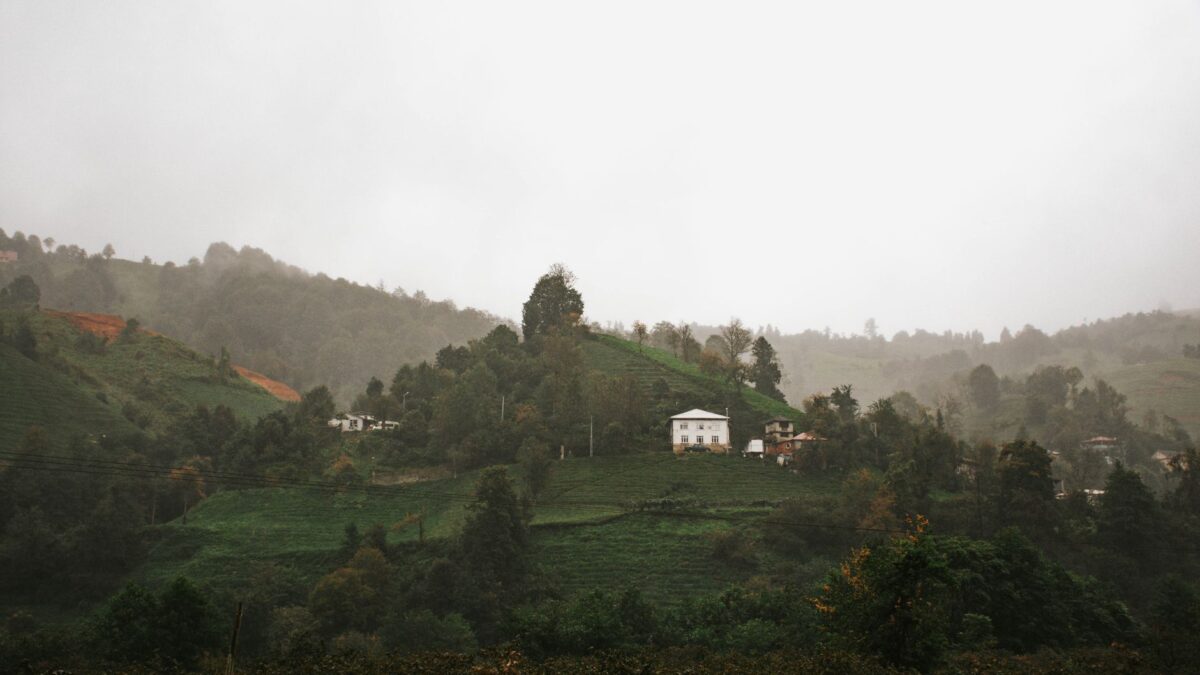
The air in Addis Ababa has that distinct, crisp clarity it only gets right after the kiremt rains break. Walking through Bole this morning, the sky was a washed-out blue, the streets still damp from a light drizzle that kept the dust at bay but left the pavement slick. It is mid-October 2026, and if you are planning to visit Ethiopia now, you are arriving at a fascinating pivot point. The landscape is still lush and green, holding onto the last of the wet season’s vitality, while the city prepares for the dry months ahead. But beyond the weather, there is a palpable sense of movement—diplomatic convoys, returning flights, and the lingering echoes of major festivals—that shapes how you should navigate the capital this month.
Weather and Packing: The Cool Green Season
As of today, October 17, the temperature in Addis Ababa sits comfortably between 10°C and 22°C. You will experience hazy-warm days that feel deceptively tropical, but do not be fooled; the evenings drop sharply. I recommend packing layers. A light jacket or sweater is essential once the sun dips below the horizon around 6 PM. The humidity is low, but the ground is often wet, so sturdy, water-resistant footwear is more practical than sandals for getting around the city’s uneven sidewalks.
This is technically the tail end of the rainy season, so while heavy downpours are less frequent than in August, expect sporadic light rain. The air quality is generally good now that the dust storms of early autumn have passed, making it an ideal time for outdoor walking tours, provided you keep an umbrella handy. The landscape is at its most photogenic right now—everything is vividly green, and the lighting is soft.
Current Events: Diplomatic Traffic and Security Awareness
If you are staying in the Bole district this week, you might notice increased security presence and traffic congestion. The IPCC (Intergovernmental Panel on Climate Change) is holding its 65th Plenary Session in Addis Ababa, with the opening ceremony taking place at the Ethiopian Meteorological Institute in Bole Sub City. This event runs through mid-October, bringing high-level delegations and significant conference traffic to the area. If you need to travel through Bole Road during peak hours, allow extra time, as road access can be restricted or slowed for security protocols.
On a more serious note, travelers must remain aware of the ongoing security situation in the country. Following recent incidents involving drone strikes near military installations in Tor Hailoch and Gotera, the government has imposed an indefinite ban on all drone flights and anti-drone deployments across Addis Ababa. Western embassies, including the US Embassy, have issued warnings regarding possible long-range attacks on military sites. While this primarily affects aviation safety and specific sensitive zones, it underscores the importance of avoiding any demonstration near army headquarters or military facilities. Always check your home country’s travel advisories before finalizing itineraries, especially for regions like Tigray, Amhara, and Afar, where travel is currently discouraged by most foreign governments.
Festivals and Local Life: The Aftermath of Irreecha
You may have heard rumors or seen photos from earlier this month. In early October, the city witnessed the massive Irreecha thanksgiving festival. Thousands of Oromo people dressed in white gathered at Hora Finfinnee in Addis Ababa and Hora Harsadi in Bishoftu to mark the end of the rains. While the main crowds have dispersed, the festive energy lingers. You will find local shops selling traditional white clothing (netela) and the streets still buzzing with conversations about the celebrations. For travelers, this period offers a unique window into Oromo culture without the logistical nightmare of peak holiday travel, though some rural transport routes out of the capital may still feel slightly strained from the weekend exodus.
In terms of daily life, there is positive news for urban safety. A recent Ministry of Justice study highlighted a 42% drop in street crime—such as theft and assault—in the capital’s corridor and riverside development areas. This improvement is attributed to new street lighting, wider sidewalks, and increased CCTV coverage. Walking around Meskel Square or along the riverbanks in the evening feels noticeably safer than it did a few years ago, a change locals are proud of and visitors can appreciate.
Getting Around and Costs: Navigating the New Normal
Addis Ababa remains remarkably affordable for transport and food, though inflation is a real factor to keep in mind. As of this month, the exchange rate is hovering around 160 ETB to 1 USD, a significant shift from older guides that cite rates closer to 57 ETB. Inflation is running at approximately 13–15%, with food prices rising steadily. However, you can still eat very well on a modest budget.
For daily transit, the Light Rail Transit (LRT) is efficient and costs only about Br 10–20 for a full cross-city ride. Blue minibuses are ubiquitous, charging Br 5–15 per short trip. If you prefer comfort, ride-hailing services or short taxi trips run between Br 80 and 250. Rent is climbing, with a modest one-bedroom flat in a non-prime area costing around Br 25,000–45,000 monthly, but this does not significantly impact short-term visitor costs unless you are looking to lease long-term.
Eating out is cheap and delicious. A meal at an inexpensive local injera house—think shiro wat or lentils—will cost you Br 80–150 (about $1.60). For a mid-range restaurant with table service, expect to pay Br 200–500 (around $3–$6). Try Totot Traditional Food Hall in Gerji for a vibrant, affordable spread of vegan platters (beyaynetu) for about Br 120. For coffee, Tomoca Coffee or YeGesha Specialty Cafe offer excellent local roasts for Br 15–30 at stalls, or up to Br 80 if seated in a café setting. A local draft beer is roughly Br 158.
Travel Updates: Flights and Regional Access
A significant update for those interested in northern Ethiopia: Ethiopian Airlines resumed flights to Mekelle on October 11, 2026, following previous suspensions due to conflict in the Tigray region. This is a welcome sign for tourism, though services to Axum and Shire remain suspended. Western embassies continue to discourage travel to Tigray, Amhara, and Afar due to instability. If your plans include these regions, monitor the situation closely and consider waiting until security conditions stabilize further. For now, Addis Ababa serves as a safe, stable hub, with improved connectivity to Mekelle offering a potential gateway for cautious exploration later in the year.
Practical Tips for This Month:
- Book Accommodation Early: With the IPCC session and post-festival recovery, hotel demand in Bole is high. Properties like SOCIAL HOUSE ADDIS ABABA or Hayes Hotel fill up quickly during conference weeks.
- Cash is King: While cards are accepted in upscale restaurants and hotels, smaller eateries and markets rely on cash. Withdraw birr from ATMs at banks like the Commercial Bank of Ethiopia or Hijra Bank.
- Respect the Drone Ban: Do not attempt to fly drones in Addis Ababa. The ban is strict and enforced, particularly in central and diplomatic districts.
- Embrace the Pace: Traffic can be unpredictable, especially near government buildings. Use the LRT for longer distances and minibuses for short hops to avoid gridlock.
October in Addis is a time of transition—clean skies, green hills, and a city recovering from its busiest cultural events. It is a wonderful time to experience the warmth of Ethiopian hospitality, provided you stay informed and flexible.
Frequently asked questions
Is it safe to travel to Addis Ababa in October 2026?
Addis Ababa is generally safe for tourists, with reported drops in street crime due to improved lighting and surveillance. However, avoid military installations and follow embassy advice regarding regional instability.
Are flights to Mekelle operating again?
Yes, Ethiopian Airlines resumed flights to Mekelle on October 11, 2026. Services to Axum and Shire remain suspended, and travel to other northern regions is currently discouraged.
What is the current exchange rate and cost of living?
The rate is approximately 160 ETB to 1 USD. Meals at local injera houses cost Br 80–150 ($1.60), while mid-range dining is Br 200–500 ($3–$6). Inflation is high, so prices are rising.
Why is there heavy traffic in Bole?
The IPCC 65th Plenary Session is being held in Addis Ababa through mid-October, causing increased security and traffic congestion in the Bole district.
Can I use drones in Ethiopia right now?
No. There is an indefinite ban on all drone flights and anti-drone deployments in Addis Ababa following recent security incidents. Attempting to fly may result in severe penalties.
Things to do in Ethiopia
 Omo Valley Tours from Jinka
 Addis Ababa- Guided city tour with museum and market
 Addis Ababa City Tours Full Day With Hotel Pickup And Drop Off.
 Addis Ababa: Customizable Food, Markets, Coffee & Culture Tour
 Discover Addis Ababa:Museums,Churche,Markets,Landmarks & Coffee
 3-Day Arba Minch & Konso: Culture, Wildlife & Local Tour