

Ethiopia in September 2026: what travelers should know now
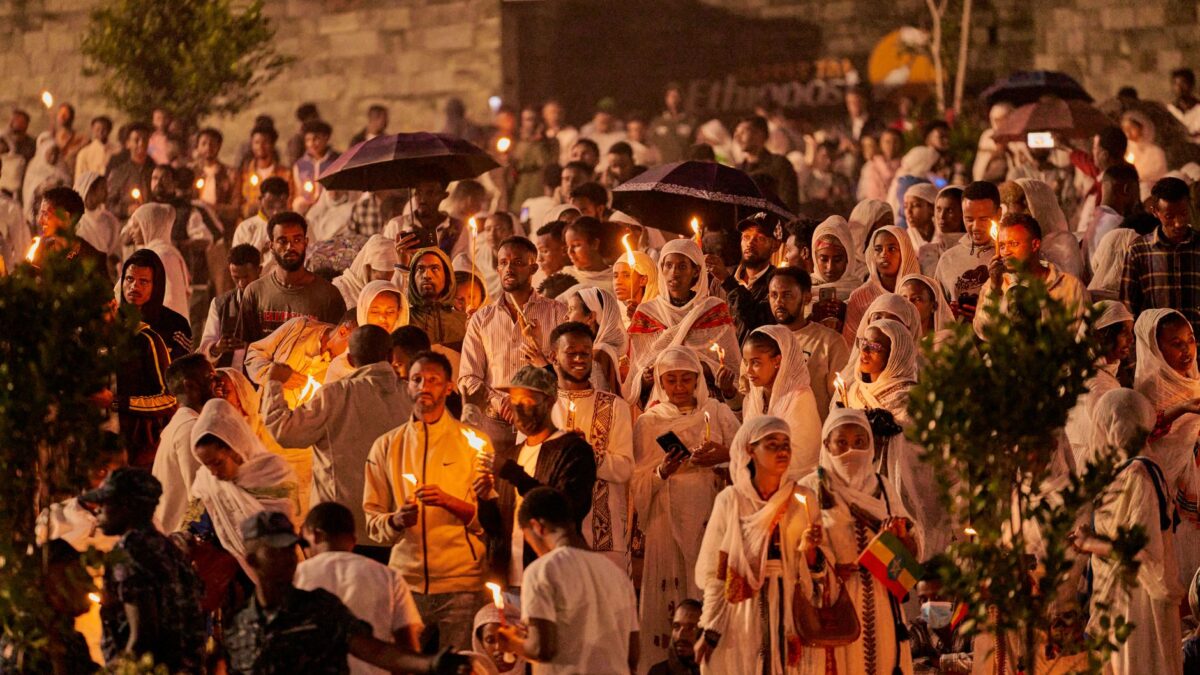
The long rains are finally loosening their grip on Addis Ababa. As I write this on the morning of September 1st, the city is emerging from a night of heavy showers—about 10mm fell over the past 12 hours—and the streets of Bole and Kazanchis are gleaming under a soft, hesitant sun. The forecast for the coming days is classic shoulder-season weather: crisp mornings around 9°C, warming to a pleasant 21°C by midday, with afternoon showers never far away. But the real story this month isn’t the weather—it’s the calendar. In just ten days, on September 11th, Ethiopia will celebrate Enkutatash, the New Year, and the entire capital will transform into a riot of yellow meskel daisies, eucalyptus smoke, and the deep, comforting aroma of roasting coffee.
Enkutatash is Coming: What It Means for Your Visit
If you’re arriving in Addis this week, you’re landing in the golden pre-Enkutatash hush. The city is cleaning itself, painting curbs, and markets like Mercato and Shiro Meda are bustling with shoppers buying new clothes and festive spices. On September 11th, expect a city-wide celebration: banks, offices, and many shops will close for at least a day, and the streets will fill with families in traditional white cotton. This is a fantastic time to experience Ethiopian culture at its most joyful, but it’s also a time when public transport runs on a holiday schedule and some restaurants may be crowded or closed. Plan to book a table at a popular spot like Cravings Restaurant & Bar or Union Restaurant and Cocktail Bar a few days in advance, or better yet, accept an invitation to a private home if you can—New Year lunch is a feast of doro wat, kitfo, and injera that you won’t forget.
If you’re here for the holiday itself, a few practical notes: ATMs can run low on birr ahead of the long weekend, so withdraw cash a few days early. Also, since Enkutatash marks the start of the New Year (2019 in the Ethiopian calendar, by the way), you’ll hear cheerful greetings of ‘Enkutatash de’ena meskerem‘ everywhere—don’t be shy to wish people a happy New Year in return.
Meskel, The Demera Bonfire, and a City on Edge
But the seasonal highlight isn’t Enkutatash—it’s the Meskel Festival later in the month, culminating in the Demera bonfire at Meskel Square on the evening of September 26th. For a traveler, there’s no more iconic Addis moment than this: thousands of people gathering around the towering bonfire in the fading dusk, singing hymns, and celebrating the finding of the True Cross. The festival has a high-confirmed date this year (September 26-27), and the entire city will be humming with energy for days before. Expect large crowds, heavy security, and some road closures around Meskel Square and the surrounding streets—bring comfortable shoes and a scarf for the dusty, packed atmosphere.
In the weeks leading up to the Demera, you’ll also see neighborhood bonfires (”demera”) springing up on street corners and in churchyards across the city, each one a small, smoky rehearsal for the main event. This is a wonderful time to wander the historic district of Piazza, where you’ll find priests collecting firewood and the air thick with the scent of eucalyptus. Just be mindful: the music, chants, and bonfires are beautiful, but the crowds are real—keep your wallet in your front pocket and use Ride or ZayRide app taxis to get around after dark.
River Redevelopment and Event Closures: What’s Disrupted Right Now
If you’ve been reading about Addis, you’ve likely heard about the ambitious Entoto-Kebena river corridor redevelopment—an 87.6-hectare project launched by PM Abiy in late June. As of now, the Kebena riverbanks are a construction zone. You’ll see excavators, flood-wall foundations, and new bridge works stretching over a 10.5-kilometer corridor. This is exciting long-term news for the city, but short-term, it means some riverside walking paths are closed, and traffic on roads near the river (especially around Bole and Kazanchis) can be chaotic. If you’re staying in these areas, factor in extra travel time and ask your hotel for detour advice.
There’s also a notable event on the horizon: the Nordic-Africa EV Summit, taking over the Ethiopian Science Museum (near the National Palace) from September 14-16. This is a big deal for Addis—the summit will feature outdoor EV displays, and you can expect closed-off access roads, extra security, and an influx of diplomats and business travelers. If you’re not attending, you might want to avoid the area around the museum on those days. On the cultural front, a TEDxArada ‘Live’ session is scheduled for September 19th in the Arada district—part of a September cluster of events that’s bringing creatives and thinkers to the capital. Worth checking out if you’re into ideas and networking.
Seasonal Crowds, Prices, and the Reality of Addis Today
September is a sweet spot for tourism in Addis: the rains are easing, the hills are golden, and the big festivals mean there’s a festive buzz. But don’t mistake it for a quiet month. Between Enkutatash and Meskel, the city is thrumming with locals celebrating and international visitors arriving for the festivals. Hotels and guesthouses—especially in Bole and Kazanchis—are busier than in August, and prices reflect that. Expect mid-range rooms to hover at a premium, and book well ahead for the September 11-12 weekend and Meskel weekend.
On the cost front, Addis in 2026 is not the Ethiopia of a decade ago. The birr was floated in 2024, and inflation—currently around 13.2%—has pushed prices up sharply. A simple street breakfast of genfo or ful with fresh bread will set you back roughly 80–150 Br (about $2), and a local lunch of shiro wot or tibs on injera typically runs 180–350 Br (about $5). If you sit down for a proper restaurant meal at, say, Little Paris or Golden Plate Restaurant in Bole, budget 400–800 Br (about $11) for a mixed injera platter. The famous Addis coffee is still a great deal: expect to pay 75–225 Br (around $3) for a macchiato or espresso at a place like Tomoca or Solina Coffee. But if you’re looking for an apartment for a longer stay, beware: the rental market has skyrocketed. A modest one-bedroom in a decent area can easily go for 25,000–50,000 Br per month (around $690), and some reports cite even higher figures—so don’t rely on outdated expat advice that says Addis is cheap. It’s not, especially at the top end.
And if you’re moving here rather than just passing through, plan for bureaucracy: you’ll need to register with the immigration department, get a TIN from ERCA, and register at your local kebele. The new biometric Fayda ID is becoming increasingly necessary for bank accounts and services, so budget time for that process.
Practical Tips for Your September Visit
- Pack for layers and wet feet: Mornings are cool (around 9°C) and afternoons warm (up to 21°C), but the rain can still surprise you. Bring a light waterproof jacket and comfortable, closed-toe shoes—the streets of Mercato and Piazza can be muddy.
- Carry cash in small denominations: The economy is cash-heavy. While big hotels and some restaurants take cards, your Anbessa bus fare (under 10 Br) and market purchases will need birr. Withdraw at a Commercial Bank of Ethiopia ATM—they’re the most reliable—and keep small bills (25s and 50s) handy for everything from coffee to tipping.
- Get a local SIM: Ethio Telecom or Safaricom Ethiopia both offer prepaid data plans, and registration is quick with your passport. You’ll want it for the Ride and ZayRide apps, which are your safest bet for getting around at night.
- Mind the festivities and closures: On September 11th (and 12th), expect most government offices and many shops to close. On September 26th, the Demera bonfire will draw massive crowds to Meskel Square—go early, stay alert, and follow police directions. Also, for the EV summit (Sept 14-16), avoid the Science Museum area if you’re not attending.
- Respect the cultural landmarks: Don’t miss the National Museum of Ethiopia to see Lucy (Dinkinesh), and pay your respects at Holy Trinity Cathedral, where Haile Selassie and his wife Menen are buried. These are more than just sights—they’re keys to understanding this complex, resilient nation.
Addis in September is a city on the cusp—of a new year, of a new season, of a new era of redevelopment. Embrace the occasional downpour, savor the first roasted coffee beans of the season, and let the rhythm of the demera drums carry you into a celebration that’s both ancient and wonderfully present. Happy Enkutatash, and welcome to Ethiopia.
Frequently asked questions
Is September a good time to visit Addis Ababa?
Yes—September is one of the best months. The long rains are easing, the hillsides are golden with meskel daisies, and you'll experience two major festivals: Enkutatash (Sept 11) and Meskel (Sept 26-27). Expect festive crowds and book accommodation early for the holiday weekends.
What is the weather like in Addis Ababa in September 2026?
Expect crisp mornings around 9°C, warm afternoons up to 21°C, and heavy showers—like the 10mm rain over 12 hours measured on September 1st. Pack a light waterproof jacket and comfortable, closed-toe shoes.
Will the Meskel festival happen in 2026?
Yes, the Meskel festival is set for September 26-27, with the main Demera bonfire lit at dusk on Meskel Square on Sept 26th. Neighborhood demeras and all-night singing across the city will mark the eve of the festival.
Are there any major events or disruptions in Addis Ababa this September?
Yes. The Nordic-Africa EV Summit (Sept 14-16) will bring road closures and extra security near the Ethiopian Science Museum. Also, the Entoto-Kebena river corridor redevelopment is ongoing, causing some riverside path closures and traffic delays.
How much does a meal cost in Addis Ababa in September 2026?
Street breakfast (genfo/ful with bread) is about 80-150 Birr; a local lunch (shiro wot/tibs on injera) runs 180-350 Birr; a restaurant dinner (mixed platter) is around 400-800 Birr. Prices have risen due to inflation and the birr float, so budget a bit more than older guides suggest.
Things to do in Ethiopia
 Omo Valley Tours from Jinka
 Special offer
Addis Ababa- Guided city tour with museum and market
Special offer
Addis Ababa- Guided city tour with museum and market
 Addis Ababa City Tours Full Day With Hotel Pickup And Drop Off.
 Addis Ababa: Customizable Food, Markets, Coffee & Culture Tour
 Discover Addis Ababa:Museums,Churche,Markets,Landmarks & Coffee
 3-Day Arba Minch & Konso: Culture, Wildlife & Local Tour