

Fiji in November 2026: what travelers should know now
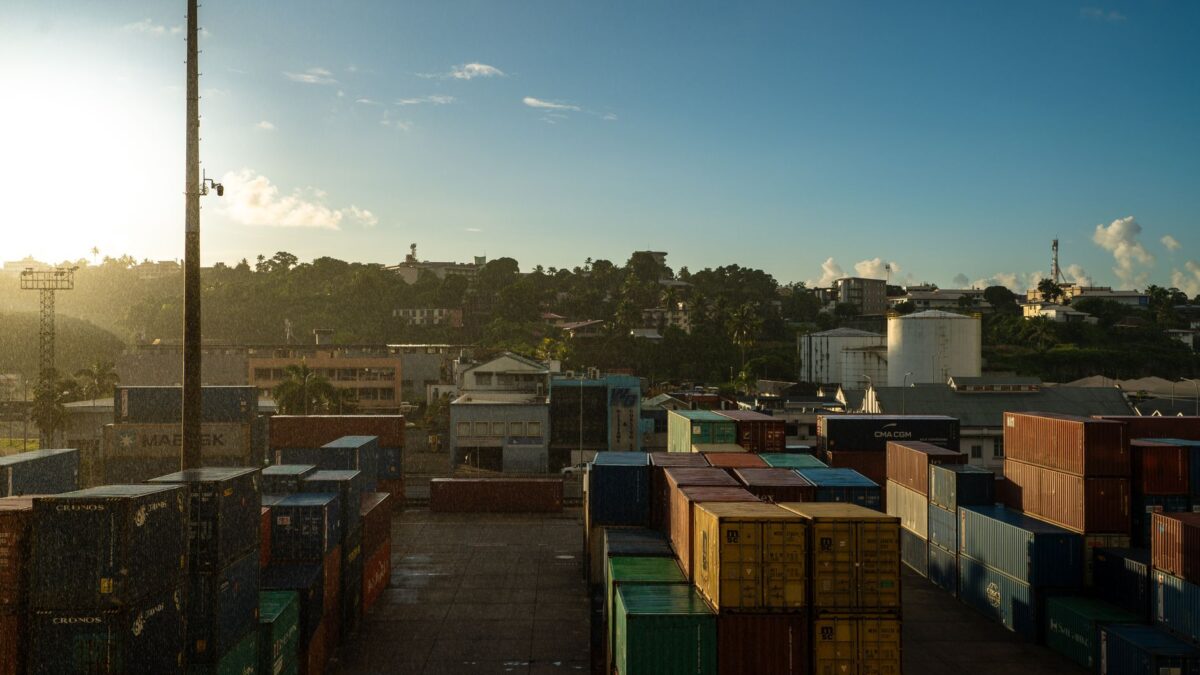
The humidity in Suva hits you like a warm, wet towel the moment you step off the plane. It is November 2026, and we are standing on the precipice of change. The dry season is hanging by a thread here. For weeks, the skies have been clear, but the air feels heavy, charged with the static of storms that haven’t quite broken yet. This month, the city is parched, dusty, and waiting for rain. If you are arriving now, you need to know that Fiji is not just dealing with typical tropical weather; we are navigating a deepening El Niño drought that has turned our capital into a place of careful conservation and community resilience.
The Weather: Dry, Dusty, and Waiting
As of today, the temperature in Suva sits between 22°C and 28°C, though with the humidity, it often feels closer to 31°C. You might see light drizzle or feel a sudden downpour, but right now, the defining feature of November here is the lack of water. The Meteorological Services Minister recently told parliament that 19 of the Water Authority’s 44 sources are at critical levels. While the Prime Minister has publicly downplayed the severity outside Parliament House, the reality on the ground is stark: burn bans are in force, and reservoirs are low.
This is the tail end of the dry season sliding into the build-up to cyclone season. The sky is usually bright blue until those afternoon clouds gather over the mountains. You will notice the dust settling on your clothes and the dryness in your throat. It is a specific kind of heat—dry and sharp before the inevitable wet. Pack light, breathable cotton, but do not forget a solid rain jacket. The showers, when they come, are heavy and sudden, turning the streets into quick-flowing creeks.
Water Rationing: What You Need to Know Now
This is the most important practical update for anyone staying in Suva this month. Starting early November, the Water Authority of Fiji began overnight water rationing across large parts of the city. If you are staying in areas like Valelevu, Khalsa, Mead Road, Rewa Street, Samabula, Naboro, or other elevated zones, expect controlled valve operations from 9 pm to 4 am nightly. This is happening because the Tamavua treatment plant is short of raw water due to the drought.
For travelers, this means two things. First, fill up your water bottles and bathtubs every evening before 9 pm. Hotels in the CBD generally have backup tanks, but budget guesthouses in the residential wards may run dry during those hours. Second, be mindful of usage. Showers should be quick, and washing dishes can wait until morning if possible. This is not a panic situation—we are Fijians, and we have lived through worse—but it is a disruption that affects daily rhythm. Carry a reusable bottle at all times. The tap water in major hotels is filtered and safe, but if you are staying in smaller accommodations, ask about their storage capacity before booking.
Events and Culture: Diwali Lights and Boxing Bouts
Despite the drought, the cultural calendar is vibrant. If you are here around the 6th and 7th of November, do not miss the first-ever Diwali Night Market at the Dream Event Centre on Harris Plaza. It runs from 10 am to 10 pm both days, featuring food stalls, cultural performances, and crafts. It is a beautiful way to experience the Indo-Fijian community’s celebration of lights, especially as the festive season begins to bleed into Christmas preparations in the shops.
Sports also take center stage this weekend. On Saturday, November 7th, the Vodafone Arena hosts the ZEG Boxing Promotion. The main event features Isikeli Senidoko fighting Winston Hill for the Fiji Super Middleweight title, alongside three WABA title bouts, including India’s Aarti Hooda against Fiji’s Laite Nanovu. Gates open at 3 pm. It is a gritty, energetic night of local talent, and tickets are available through standard channels.
Later in the month, keep an eye out for the Ratu Sukuna Bowl launch. A march from the Suva Flea Market into Albert Park is scheduled for Saturday, November 7th, involving police, military, and anti-drug agencies. The actual competition follows on November 19–20. This is a significant cultural sporting event, deeply tied to iTaukei heritage, and the atmosphere in Albert Park during these dates will be electric.
Navigating Suva: Costs, Safety, and Daily Life
Suva remains one of the more affordable capitals in the Pacific for food and transport, though rent is a squeeze for locals. For you, as a visitor, the costs are manageable. A plate lunch at a local eatery—the staple of daily life—runs about FJ$13 (roughly US$5.70). A mid-range restaurant meal is around FJ$50 per person. Coffee costs about FJ$6.60, and a local beer is roughly FJ$4.72.
Transport is cashless. Since October 2017, buses operate on the eTransport card system. You cannot ride without it. Get a card immediately upon arrival at the main bus stand near the Municipal Market or at any Vodafone outlet. Top-ups are easy via kiosks. Taxis are metered in the city, with a flagfall of FJ$2.00, making them cheap for short hops. Avoid walking alone in back streets after dark, particularly around the market area where petty theft can occur. Stick to well-lit main roads like Victoria Parade or Queen Elizabeth Drive, which is popular with joggers at dusk.
If you need banking, ANZ, Westpac, BSP, HFC Bank, and Bank of Baroda all have CBD branches. Cards work in supermarkets and larger restaurants, but markets and small eateries are cash-only or use Vodafone M-PAiSA mobile money. SIM cards are mandatory to register with your passport; buy yours at the airport or along Victoria Parade.
Practical Tips for the Coming Weeks
Visitors from most Western countries receive a free visitor permit on arrival for up to four months. Ensure your passport is valid for six months beyond your stay. If you plan to extend, apply online or at the Department of Immigration in Suva before your current permit expires; the fee is FJD 93.
Pack sunscreen and insect repellent aggressively. The sun is strong even in the clouds, and mosquitoes thrive in the humid pockets of the city. Visit the Fiji Museum in Thurston Gardens to learn about our history—it’s FJ$20 for overseas visitors. Walk through the Domain, see the Grand Pacific Hotel’s veranda, and maybe climb Colo-i-Suva Forest Park if the trails are dry enough. Just remember: respect the water restrictions, support local businesses, and enjoy the unique, resilient energy of Suva in November. We are waiting for the rain, but until then, we welcome you with open arms and cold drinks.
Frequently asked questions
Is there a water shortage in Suva right now?
Yes. Due to a deepening El Niño drought, the Water Authority has implemented overnight rationing (9pm-4am) in many suburbs. Fill containers before 9pm if staying in affected areas.
What major events are happening in Suva this week?
The Diwali Night Market runs Nov 6-7 at Harris Plaza. On Nov 7, watch the ZEG Boxing titles at Vodafone Arena and the Ratu Sukuna Bowl march at Albert Park.
How much does it cost to eat in Suva?
Local plate lunches are about FJ$13 ($5.70 USD). Mid-range dinners are around FJ$50 ($22 USD). Transport is cheap, with bus fares around FJ$2.05.
Do I need a visa to visit Fiji in November 2026?
Most Western passports get a free visitor permit on arrival for up to 4 months. Ensure your passport is valid 6 months beyond your stay and bring proof of onward travel.
Things to do in Fiji
 Private Arrival Transfer - Nadi Airport to Hotel
 CFC Approved Private Arrival Transfer - Nadi Airport to Maui Bay Properties
 Extreme 12000ft Tandem Jump (45 seconds free fall)
 Coral Coast, Fiji - Airport to hotels. Transfer
CFC Approved Private Arrival Transfer - Nadi Airport to Outrigger & Bedarra Inn
 CFC Approved - Private Arrival Transfer Nadi Airport to Doubletree Resort