

Finland in November 2026: what travelers should know now
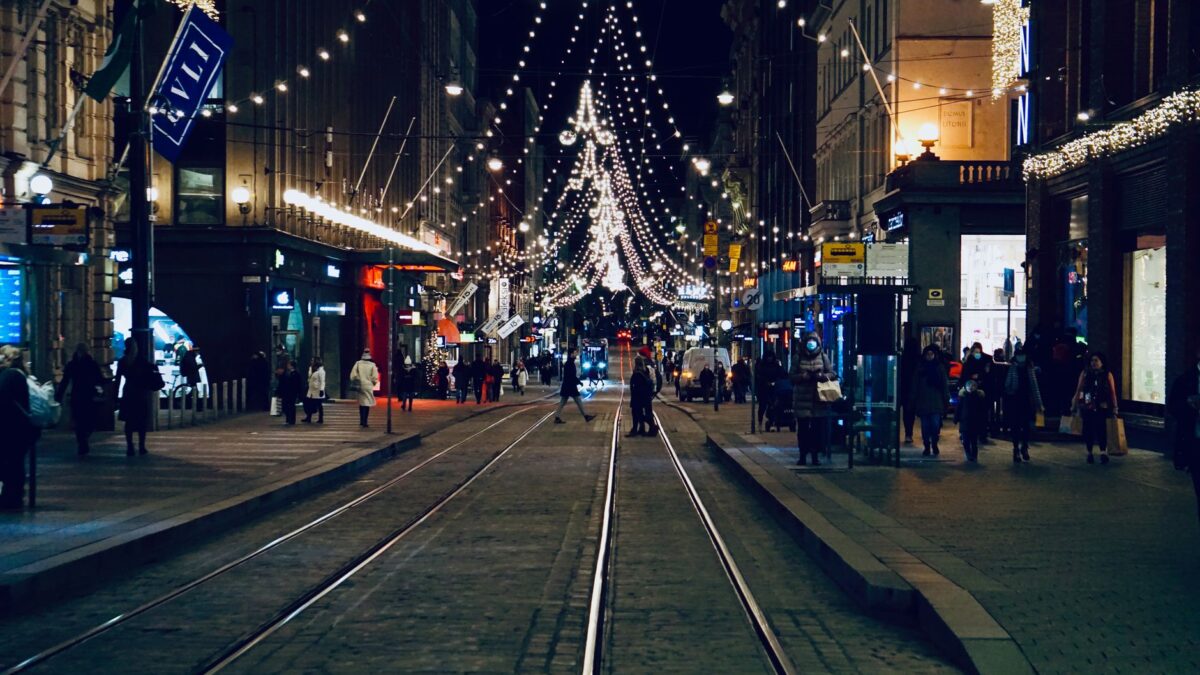
It is just past 15:30, and the sky over Senate Square has already turned that deep, bruised purple that signals Helsinki’s winter is not just coming—it is here. At 6–10°C with heavy drizzle soaking through the pavement, you are standing in the middle of the city’s most beautiful, wettest season. This is November 2026, and if you are planning to visit Finland right now, you need to know that the rhythm of life has shifted. The daylight is short, the pace is brisk, and the city is buzzing with a specific kind of pre-Christmas energy mixed with the noise of international sports and startup conferences.
The Seasonal Mood: Dark, Wet, and Glögi
As of today, November 2nd, Helsinki is firmly in the “dark, wet stretch” before the snow settles properly. You will find yourself navigating streets slick with rain and early ice. The weather forecast for this week predicts light rain continuing into the afternoon, so your packing list must prioritize waterproof layers and grip. Daylight is dwindling; by mid-afternoon, the sun dips low, casting long shadows across the neoclassical buildings of Kruununhaka.
This is pikkujoulu season—the Finnish pre-Christmas party period. You will see Christmas lights flickering on in the Design District (Punavuori) and seasonal markets starting to take shape around the centre. Locals are in a cozy, social mood, seeking out glögi (mulled wine) and saunas. If you want to blend in, embrace the darkness. It is not gloomy; it is intimate. The key to surviving this month is visibility. Helsinki hands out free reflectors (heijastin) at many points because pedestrians are expected to be visible near-dark. Wear one. It is a small gesture that keeps you safe and signals you understand the local rules.
What Is Happening Now: Sports, Startups, and Arts
November in Helsinki is surprisingly loud. If you are here in the first half of the month, you are in for a packed sports calendar. The NOCCO Hockey Games are underway at Veikkaus Arena, featuring Finland against Sweden, Switzerland, and Czechia. Right after that, the HIFK–Jokerit derby brings more noise to Helsingin jäähalli. Then, the NHL Global Series hits town with the Carolina Hurricanes vs. Seattle Kraken. Expect bars and traffic around Pasila and Kallio to be noticeably busier than usual. If you are staying in Kallio, the granite-block quarter north of the bridge, expect lively nights but also plan for extra transit time.
Culturally, the Moving in contemporary dance festival marks its 40th anniversary from November 5–15, filling venues across the city. For something lighter, head to Pukinmäki for Säveltäjänpuiston valokarnevali, a free outdoor light-art and circus festival lighting up the park trees every evening until November 8th.
But the biggest news for the second half of the month is Slush. From November 18–19, Messukeskus and much of central Helsinki will be taken over by thousands of founders and investors. This is not just a conference; it is a logistical event. Hotels fill up, restaurants get crowded, and tram routes—especially 7 and 9 towards Pasila—will be congested. If you are visiting during these dates, book your accommodation early and plan your transit with extra buffer time.
Navigating the City: Tram Resurrections and Transit Tips
Public transport in Helsinki runs on HSL, and there have been significant changes you need to know about right now. After a roughly nine-month closure, the trams are running across Pitkäsilta again between Hakaniemi and the Central Railway Station. This restores the crucial Kallio–centre link that had forced everyone onto buses and the metro earlier this year. However, keep an eye on timetables. Starting November 7th, new routes 11 and 12 extend east over the Kruunusillat bridges to Laajasalo, reshuffling stops across the city centre.
A single ticket for zones AB (the city core) costs about €3.30 via the HSL app, though contactless cards may charge slightly more. A 30-day pass is around €73.90, but if you are staying longer, look into the app saver subscription which can drop the price closer to €61.60. Remember: buy before boarding. You generally cannot buy tickets on the tram. For airport transfers, the Ring Rail Line I/P trains link Central Station to Helsinki-Vantaa Airport in about 30 minutes, while Trams 4 and 9 remain the everyday workhorses for locals.
Eating and Budgeting in Early Winter
Helsinki is pricey, particularly for sit-down dinners and alcohol, but you can eat well without breaking the bank if you know where to look. A weekday set lunch (lounas) is the local secret: from 11 am to 2 pm, you can get soup, a main course, and coffee for €12–17. This is far cheaper than a standard dinner, which might run €90 for two courses at a mid-range restaurant.
For quick bites, the food market halls like Vanha Kauppahalli offer stalls where you can spend €12–18 for a solid meal. The everyday budget staple remains the kebab shop—a portion with salad buffet and bread costs around €11–13.90. Döner in bread is roughly €14.90, and a slice of pizza at a casual spot is €4.50–6.50. Rent in the city centre for a modest one-bedroom flat averages €1,100–1,300, reflecting the high cost of living, but as a visitor, you can manage daily costs by leaning on lounas deals and market stalls.
Practicalities: Visa, Safety, and Getting Connected
Finland is a Schengen state, so most short-stay visitors get 90 days in any 180-day period without a separate visa. However, ferries to Tallinn still require ID checks. If you are staying longer, you must apply for a residence permit via Migri’s Enter Finland portal before arrival. For those moving here, registration with the Digital and Population Data Services Agency (DVV) is mandatory to get a henkilötunnus (personal identity code), which unlocks banking, healthcare, and school access.
Safety-wise, Helsinki is one of Europe’s safest capitals. The “rough” reputation of Kallio is mostly about late-night noise on Vaasankatu and visible homelessness near stations, not violent crime. The real hazards are environmental: ice underfoot and near-darkness. Bring reflective gear.
Finally, you need a local SIM card. Prepaid SIMs from Elisa, DNA, or Telia are available at kiosks and airports, but they must be registered to your passport. This number is critical because it is the prerequisite for Mobiilivarmenne (mobile certificate), which you need for online banking and e-invoices. Finland is effectively cashless; card or MobilePay is accepted everywhere. Open a bank account early if you are staying long-term, as getting the strong authentication codes can take weeks.
Frequently asked questions
Is it safe to walk around Helsinki in November?
Yes, Helsinki is very safe. The main risks are icy pavements and early darkness. Always wear a reflector (heijastin) to stay visible to drivers, as it gets dark by 15:30.
What major events are happening in Helsinki in November 2026?
Key events include the NOCCO Hockey Games and NHL Global Series (early Nov), the Moving in dance festival (Nov 5–15), and Slush, the startup conference (Nov 18–19).
How much does a meal cost in Helsinki right now?
A weekday set lunch (lounas) is €12–17. A mid-range dinner for two is around €90. Quick eats like kebab or pizza slices range from €4.50 to €14.
Are the Helsinki trams running normally after recent closures?
Yes, trams resumed crossing Pitkäsilta in November after a 9-month closure. New routes 11 and 12 launched Nov 7, extending to Laajasalo, so check HSL timetables for changes.
Do I need a visa to visit Finland from the US or EU?
EU/EEA citizens do not need a visa. Most non-EU visitors (including Americans) get 90 days visa-free in the Schengen area. Ferries to Estonia still require ID checks.
Things to do in Finland
 Helsinki Walking Tour - Small Group
 Snowmobile Safari in Helsinki Archipelago with Lunch
 Guided Daytime Ski Adventure: Explore Private Trails by Rovaniemi
 Winter Wonderland Hike in a National Park
 Northern Lights Hunting Photography Tour (No Photo-No Payment)
 Helsinki: Archipelago Exploration at Porkkalanniemi peninsula