

From the airport into Berlin: every option and what it costs
You step out of Terminal 5 at Berlin Brandenburg Airport (BER) and the first thing you notice is the air. It’s crisp, carrying that distinct late-October chill—around 10°C with a light rain misting the pavement—and the smell of damp leaves mixed with jet fuel. Berlin doesn’t warm up to you immediately; it expects you to be prepared. But once you’re moving, this city rewards you with an energy that feels electric even on grey afternoons. The question isn’t whether Berlin will welcome you, but how quickly you can get there. With Reformation Day just nine days away and the city’s terraces beginning to empty for the season, the rhythm here is shifting. Let’s talk about getting from this sprawling airport into the heart of the city without losing your head or your wallet.
The S-Bahn: The Reliable Workhorse
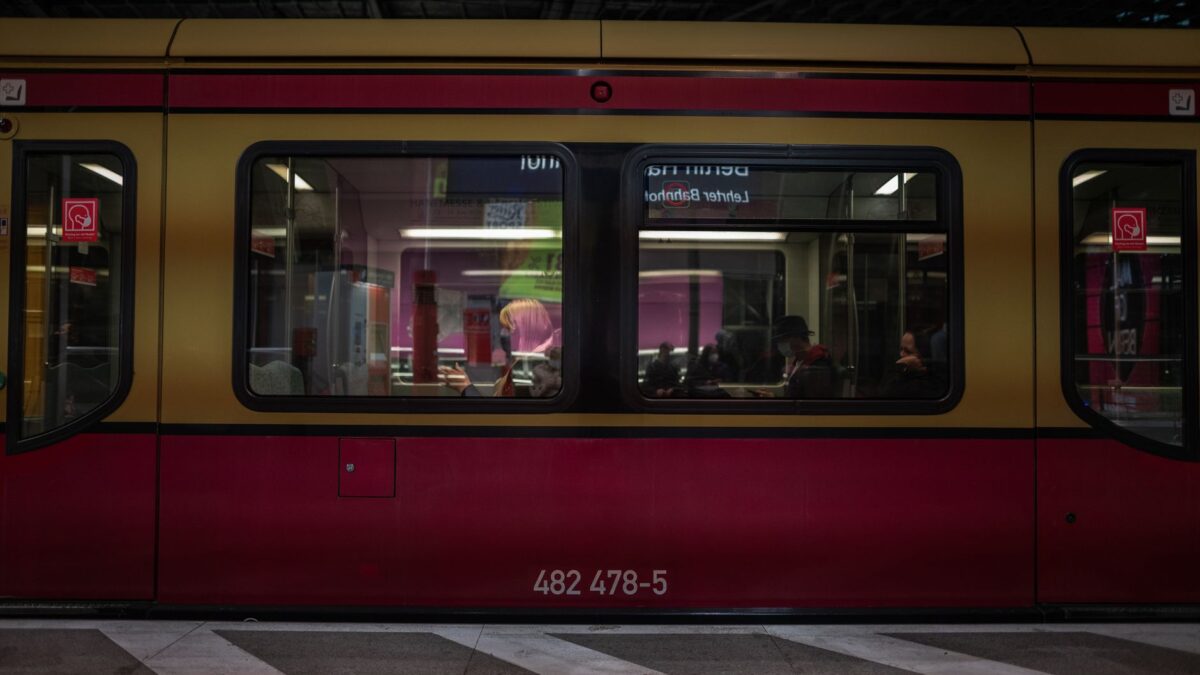
For most travellers, the S-Bahn (Berlin’s suburban rail network) is the undisputed champion. It is clean, frequent, and runs 24 hours a day. When you exit the arrivals hall, follow the signs for “S-Bahn.” You will find platforms leading directly down to lines S9 and S45, which loop around the city centre.
The journey to central hubs like Alexanderplatz or Hauptbahnhof takes roughly 30 minutes. It is efficient, dry, and allows you to stretch your legs after a long flight. However, you must pay attention to zones. The airport sits in Zone C. To reach the city centre (Mitte, Kreuzberg, Friedrichshain), you need a ticket covering Zones A, B, and C. As of January 2026, a single VBB ticket for AB zones costs around €4.00, but the ABC fare required for the airport run is approximately €4.70. If you are heading further out to Potsdam, you’ll need the full ABC ticket.
A local tip: Validate your ticket before boarding. The small yellow machines are at the platform entrance. If you fail to validate and get caught by a BVG inspector—which happens often—you face a fine of €60. The app Jelbi handles validation automatically, making it the safest bet if you have data.
The Flixtrain: Fast, Cheap, and Direct
If you want to save money and time, keep an eye on the Flixtrain service. These blue trains connect BER directly to Berlin Hauptbahnhof (Central Station) and sometimes stop at other key points like Ostbahnhof. The journey is remarkably fast, often under 30 minutes, and the ride is smooth.
Fares vary wildly depending on when you book. If you snag a ticket weeks in advance, you might pay as little as €2–€4 for the trip. Last-minute tickets can climb to €15–€20, which is less competitive than the S-Bahn. However, during peak travel times or if sold out, the S-Bahn remains your consistent fallback. For those staying in hotels near the Central Station or in Mitte, this is a fantastic option. Just check the departure boards; they don’t run as frequently as the S-Bahn, usually hourly or twice-hourly.
Taxis and Ride-Sharing: The Premium Option
Berlin has plenty of taxis, and they are generally safe and regulated. You can find them at designated ranks outside all terminals or hail one if you spot a free taxi nearby (though this is harder at the airport). Expect to pay around €50–€60 for a ride to Mitte or Kreuzberg, depending on traffic. Prices surge slightly during late-night hours or heavy rain.
Ride-sharing apps like Uber and Free Now operate here too. While convenient for booking, the pricing model can be opaque. In my experience, standard taxis are often more reliable for fixed-price estimates to the city centre. If you are travelling in a group of three or four, splitting a taxi fare might feel economical compared to buying multiple transit tickets, but remember that a single coffee at a normal café in Berlin now averages €4.00, so budget accordingly.
Private Transfers and Shared Shuttles
For those prioritizing comfort above all else, private transfer services offer door-to-door convenience. Companies like Blacklane or local firms listed on the airport website allow pre-booking. Costs typically start around €60–€80 for a sedan to the city centre. This is ideal if you have heavy luggage or are arriving during the odd hours when public transport frequency drops.
Shared shuttles exist but are rare at BER compared to older airports. Most visitors skip this in favour of the direct train links. If you choose a private car, ensure your driver knows exactly where to meet you; BER is massive, and the terminal layout can confuse first-timers. Stick to the main pickup zones marked clearly in English and German.
Navigating the City Once You Arrive
Once you are in Berlin, the transit system (BVG and S-Bahn) is your lifeline. A single ticket within Zones A and B is €4.00, valid for two hours and allowing unlimited transfers. If you plan to move around extensively, consider the Deutschlandticket (€63/month nationwide) if you are staying longer, or the Berlin WelcomeCard for tourists, which includes transport and discounts at over 130 attractions.
Be aware of current disruptions. Tram lines M1 and 12 are currently replaced by buses through Prenzlauer Berg and Mitte due to track reconstruction until December 2026. Also, Rosenthaler Straße tram tracks are undergoing renewal, so check the Jelbi app for real-time bus replacements. Safety-wise, Berlin is broadly safe, but pickpockets cluster at Alexanderplatz and Warschauer Straße. Keep your bag close, especially on the U8 line at night.
Berlin in October is moody and beautiful. The leaves are thick on the pavements, and the light fades early. Whether you take the S-Bahn past the Holocaust Memorial’s stelae or a taxi past the glittering lights of Kurfürstendamm, you are entering a city that demands engagement. Get your ticket validated, lock your bike if you rent one, and dive in. The Federweißer (new wine) is flowing, and the city is waiting.
Frequently asked questions
How much does a train ticket cost from Berlin Airport (BER) to the city centre?
You need an ABC zone ticket costing approximately €4.70. A single AB zone ticket is €4.00 but does not cover the airport.
Is the S-Bahn available 24 hours a day from the airport?
Yes, the S-Bahn lines S9 and S45 run 24/7, providing direct access to central stations like Alexanderplatz and Hauptbahnhof.
What is the average cost of a taxi from BER to Mitte?
Expect to pay between €50 and €60 for a standard taxi ride to the city centre, subject to traffic and time-of-day surcharges.
Are there any major transit disruptions in Berlin right now?
Yes, trams M1 and 12 are replaced by buses in Prenzlauer Berg/Mitte until Dec 2026, and Rosenthaler Straße tracks are being renewed until approx. Oct 22, 2026.
Things to do in Germany
 Special offer
Neuschwanstein & Linderhof Castle Luxury Private Tour from Munich
 5hours: Guide, Chauffeur & Photographer in Berlin private Tour
 Bodyflying & Indoor Skydiving at FlyStation Munich
 Alsace wine tour and medieval villages. Small group guided tour
 2 hours Segway Elbe Mini Tour
 Third Reich Walking Tour Munich - Nazi Origins - Max.16 per group