

From the airport into Budapest: every option and what it costs
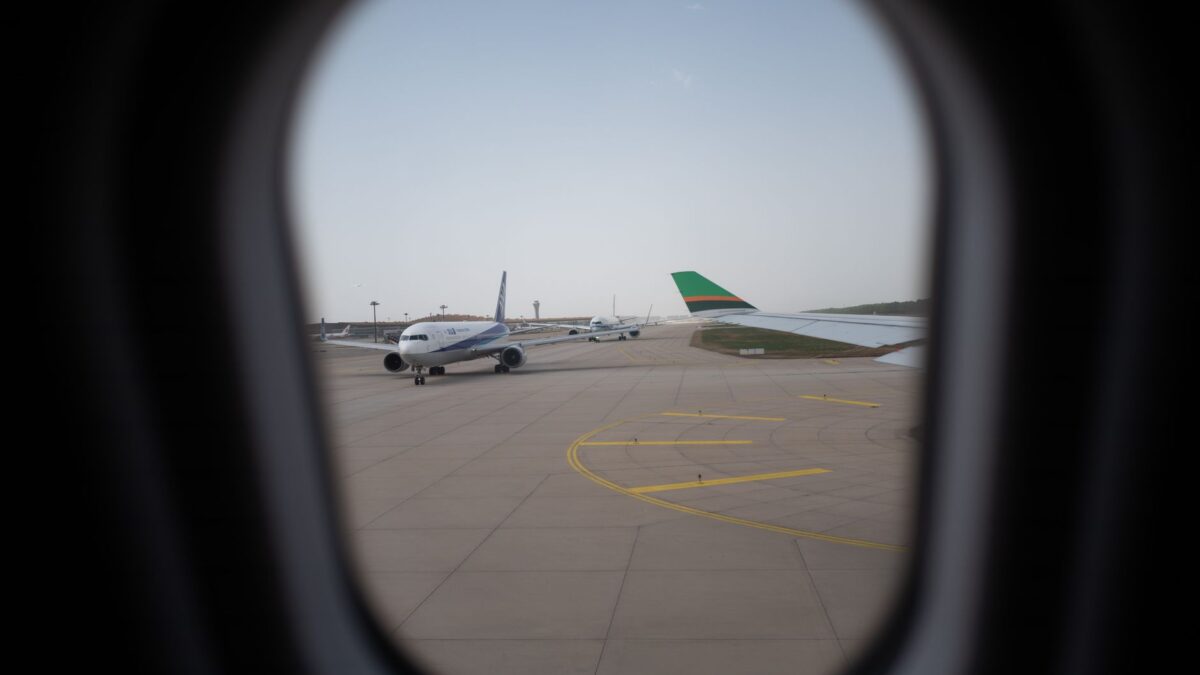
Stepping out of Budapest Ferenc Liszt International Airport (BUD) into the November damp is a specific kind of shock. It’s 4°C, the sky is that flat, iron-grey you only get in Central Europe this time of year, and there is a persistent drizzle coating everything in a thin, cold film. The air smells of jet fuel and wet earth. You have just landed, your legs are stiff from the flight, and you need to get to your hotel or apartment in Pest or Buda before the darkness fully sets in at around 16:15. As a local who has made this journey more times than I can count, I am here to tell you exactly how to navigate the last ten kilometers without getting fleeced or stranded.
The Train: The Scenic but Slow Route
For many visitors, the train feels like the most “authentic” way to enter the city. And technically, it is. The tracks run parallel to the Danube on the Pest side, offering lovely views of the river as you approach Kőbánya-Kispest station. From there, you are connected to Metro M3 and several tram lines.
However, you must manage your expectations regarding speed. The MÁV regional trains (S-regional) take roughly 30 to 40 minutes to reach central stations like Népliget or Kőbánya-Kispest. If you are heading to Deák Ferenc tér, the heart of the city, you will likely need to transfer. Here is the catch for late autumn travel: if you arrive after 22:00 on November 13th through the end of service on November 15th, Metro M2 is suspended between Deák Ferenc tér and Déli pályaudvar. This means your train arrival could be significantly disrupted if you are trying to cross the city center during those windows.
The cost is excellent value. A single local transit fare (vonaljegy) is about 500 HUF (roughly $1.4). If you plan to use public transport frequently over the next few days, consider buying a 24-hour travelcard for around 2,750 HUF or a 72-hour card for roughly 5,750 HUF via the BudapestGO app. Note that these passes cover trams, buses, and metros, but not the exclusive Airport Express bus.
The Bus: Speed and Convenience
If you want to get to the city center quickly and comfortably, the bus is often the smarter choice. There are two main options here, and knowing the difference saves you headaches.
The 100E Airport Express
This orange-and-white bus drops you directly at Keleti (East), Nyugati (West), and Dél (South) railway stations. It is the fastest option, taking about 25–30 minutes depending on traffic. It runs every 20 minutes. However, it is pricey compared to standard transit. While exact base fares fluctuate, budget approximately 2,900–3,000 HUF (around $8) for a one-way ticket. It is worth it if you are arriving late at night when other options are scarce or if you have heavy luggage and want to avoid transfers.
The Regular City Buses (785/150E)
For a fraction of the price, you can take regular city buses like the 785 to Kőbánya-Kispest or the 150E to Moszkva tér. These cost the standard single fare of about 500 HUF ($1.4). They are reliable, frequent, and go almost everywhere. The trade-off is comfort. In November, with the wind cutting through the airport terminal doors, you might find yourself waiting on a slightly chilly platform. But once you are inside, the heating works fine.
Taxis and Ride-Hailing: Avoiding the Scams
Taxis are available right outside arrivals, but this is where tourists most commonly get overcharged. Unlicensed drivers may approach you inside the terminal promising rides for fixed prices that are double the going rate. Do not engage. Stick to licensed companies.
I strongly recommend using ride-hailing apps like Bolt or Főtaxi. You can book them from your phone before you even exit the baggage claim. This guarantees a transparent price and removes the language barrier. A ride from the airport to District V (Belváros-Lipótváros), the postcard core with the Parliament and St. Stephen’s Basilica, typically costs between 6,000 and 9,000 HUF ($16–$25) depending on the time of day and demand. It is a small price to pay for peace of mind and direct door-to-door service.
Private Transfers: For Groups and Comfort
If you are traveling in a group of four or more, or if you simply prefer a meet-and-greet service with a driver holding your name sign, private transfers are available. Companies like IntercityHotel Budapest or Park Plaza Budapest often partner with transfer services. Expect to pay 12,000–15,000 HUF ($32–$41) for a sedan. This is cost-effective per person if you have a full car, and it eliminates the stress of navigating Hungarian public transport with suitcases immediately upon arrival.
Where to Stay: District Matters
Your choice of transport should also depend on where you are staying. If you are in District VI (Terézváros), near Andrássy út and the Opera, the 100E bus or a taxi to Nyugati station is ideal. If you are in District VII (Erzsébetváros), the Jewish Quarter famous for ruin bars like Szimpla Kert, you are best served by a taxi to Blaha Lujza tér or the metro. Avoid District I (Várnegyed/Buda Castle) unless you are prepared for a longer commute; there is no metro in Buda, so you will likely need a taxi or a combination of bus and funicular.
Navigating the City Once You Arrive
Once you are in the city, remember that Budapest is compact but hilly. Download the BudapestGO app—it is essential for buying tickets and checking real-time transit data. Be aware that Tram 4/6 is currently cut short on the Buda side due to roadworks at Karinthy Frigyes út, running only between Széll Kálmán tér and Újbuda-központ. If you need to cross the Chain Bridge area, you may need to switch to bus 5 or the M4 metro.
Practical Tips for the First Night
Hungary uses the Forint (HUF). While cards are widely accepted, having some cash is useful for market stalls or small tips. At the Central Market Hall (Nagy Vásárcsarnok), you can grab a quick dinner—a bowl of goulash soup (gulyásleves) costs about 2,000–3,500 HUF ($5–$10)—if you arrive hungry. Or, try a lángos from a street stall for around 800–1,500 HUF ($2–$4). It is cheap, filling, and perfect for a cold evening.
Budapest is a beautiful, walkable city, but the first leg of your journey sets the tone. Choose wisely, keep your wits about you, and enjoy the magic of the Danube. Whether you take the slow train past the river or zip into the center on the 100E, you will soon find yourself warm, dry, and ready to explore the ruins, baths, and history that make this city unique.
Frequently asked questions
How much does a taxi from Budapest Airport to the city center cost?
A licensed taxi or ride-hail service (like Bolt) to District V typically costs 6,000–9,000 HUF ($16–$25). Always use an app or licensed stand to avoid overcharging.
Is the 100E Airport Express bus worth the money?
It costs around 2,900–3,000 HUF ($8) and takes 25–30 minutes to major train stations. It is worth it for convenience and speed, especially late at night, but regular buses like the 785 are much cheaper (500 HUF).
Can I use my monthly transit pass for the airport bus?
No. Standard BKK passes (single, 24h, 72h, or monthly) do not cover the 100E Airport Express. You must buy a separate ticket for that specific route.
What are the current tram disruptions in Budapest?
Trams 4 and 6 are currently cut short on the Buda side due to roadworks at Karinthy Frigyes út. They run only between Széll Kálmán tér and Újbuda-központ. Check BKK info for replacement buses.
Things to do in Hungary
 3 Hours Budapest Segway Grand City Tour Buda, Margaret and Pest
 1 Hour Budapest Segway Tour - Parliament Hightails
 Private Sightseeing Tour using Electric Tuk Tuk Ride in Budapest
 Shooting Experience HOLLYWOOD Package in Budapest
 Budapest private sightseeing with Nelli & her local guides
 Hungarian Strudel Making Class: Stretch & Fill Two Ways & Wines