

From the airport into Copenhagen: every option and what it costs
The automatic doors of Copenhagen Airport slide open and the first thing that hits you is not the smell of duty-free perfume, but the damp, grey chill of a mid-October drizzle. It is 10°C, the sky is the colour of wet slate, and your phone battery is already dropping in the cold. You have just landed at Kastrup, and if you are like most travellers, you are standing in the arrivals hall wondering how to get into the city without getting ripped off or missing your connection to the hygge waiting outside.
I am Freja, and I live here. I know exactly what it feels like to be tired, cold, and holding a suitcase on a slippery floor. Getting from the airport to your hotel in Indre By (the Inner City) or Vesterbro should not be a puzzle. Let me walk you through every option, with real prices and honest advice on which one fits your travel style.
The Metro: The Fastest, Most Modern Choice
For many visitors, the Metro is the clear winner. It is driverless, clean, and runs frequently even late at night. The M1 line takes you directly from the airport to the city centre. If you are staying near Central Station or Nyhavn, this is your best bet. The journey takes roughly 15 minutes, and you will pass under Ørestad before emerging into the heart of the capital.
The cost is straightforward: about 24 DKK (≈ $3) for a single ticket covering two zones. This is arguably the cheapest way to get into central Copenhagen. You can buy tickets via the Rejsebillet app, or at the machines in the station. Note that the physical blue Rejsekort card was phased out during 2026, so rely on your smartphone or the new Basiskort if you prefer a physical card.
When to pick it: Choose the Metro if you value speed and predictability. It is less likely to be delayed by road traffic than buses or taxis. However, if you are arriving late at night and have heavy luggage, be aware that while the trains are spacious, the stations can feel a bit sterile compared to the warmth of the city you are entering.
The S-Tog Train: For Those Heading North or East
If your hotel is in Nørrebro, Østerbro, or further out towards Frederiksberg, the S-Tog (suburban train) might be more convenient than the Metro. The S-tog network is extensive and integrates with the same zone-based ticketing system. A ride to Nørreport, the main interchange hub, takes about 12 minutes from the airport.
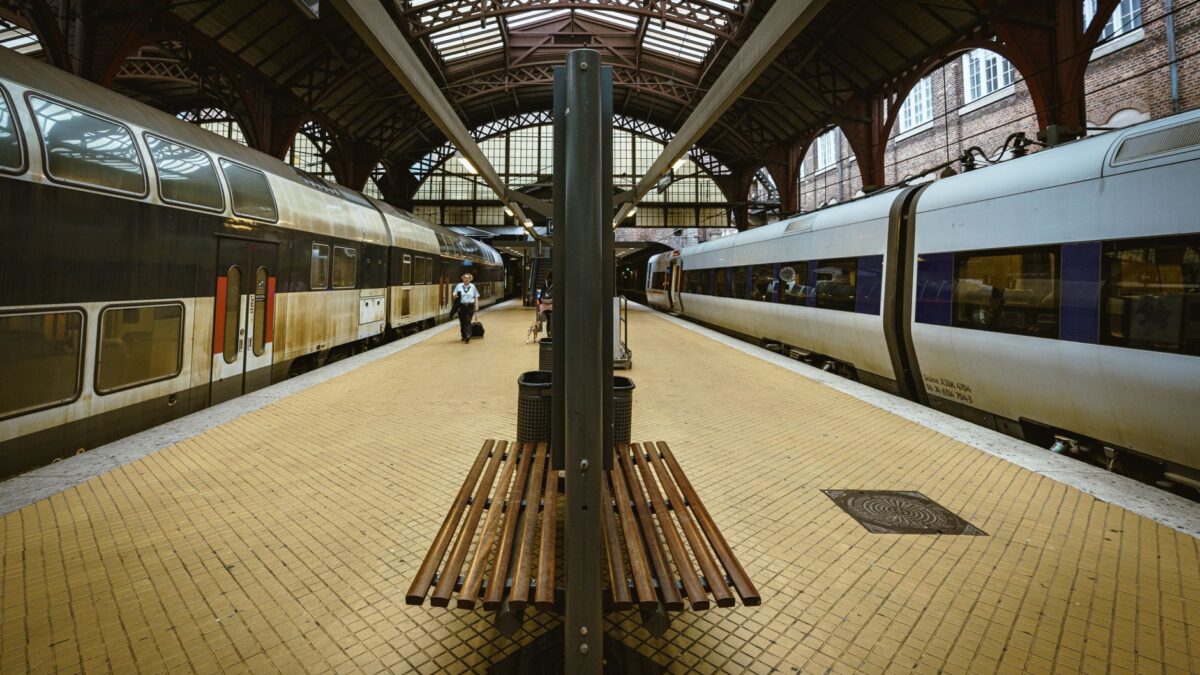
The price is identical to the Metro: around 24 DKK (≈ $3). The experience is distinctly Danish—efficient, punctual, and often filled with commuters heading home from work. The carriages are modern and heated, which is a relief when the wind is whipping down the platforms. Just remember to check the platform number carefully; the airport station has multiple tracks serving different directions.
When to pick it: Opt for the S-Tog if you are staying north of the harbour or want to avoid the crowded tourist throngs on the M1 line. It offers a glimpse into daily Danish life, which is always a nice touch after a long flight.
Taxis and Private Transfers: Comfort at a Premium
Copenhagen is expensive, and taxis reflect that reality. Do not expect bargain rates. A standard taxi from the airport to the city centre will set you back roughly 300–400 DKK (≈ $45–$58), depending on traffic and the exact drop-off point. Prices are metered, but the starting flag is high, and the per-kilometre rate is steep.
If you book a private transfer in advance through your hotel or a service like Blacklane, you will pay a fixed fee, usually ranging from 450 to 600 DKK (≈ $65–$87) for a sedan. While pricier, this eliminates the anxiety of watching the meter tick up as you sit in evening rush-hour traffic on the motorway. During busy periods, such as the autumn half-term week (efterårsferie) or major events like Kulturnatten, demand spikes, and wait times for street taxis can increase significantly.
When to pick it: Take a taxi if you are travelling in a group of three or four, if you have significant mobility issues, or if you are arriving extremely late when public transport frequency drops. It is also the sensible choice if you are carrying bulky sports equipment or lots of shopping. Otherwise, the Metro saves you enough money to cover a few rounds of draught beer (around 60 DKK / ≈ $9 each) at a local bar.
Buses: The Scenic but Slower Route
Buses are rarely the fastest option from the airport, but they are reliable and cover areas the Metro does not reach. Bus 3S is the primary express bus, taking you to various points in the city. However, in October, the roads are often congested, and the weather means you will be waiting outside in the drizzle if you do not have a sheltered stop nearby.
The fare is the same: about 24 DKK (≈ $3). The journey time can vary wildly, from 25 minutes in light traffic to over an hour during peak hours. I generally advise against the bus unless you have no other choice, simply because the Metro is faster, cleaner, and more comfortable.
When to pick it: Consider the bus only if your accommodation is in a specific suburb not well-served by rail or metro, or if you are looking for a budget-friendly alternative and don’t mind the extra travel time.
Practical Tips for Your First Day
Once you are in the city, keep these tips in mind. Copenhagen is very safe, but watch your pockets in Indre By and Nyhavn, especially near Tivoli Gardens where crowds gather for the Halloween season. If you plan to stay longer, look into the Rejsekort app for off-peak discounts if you are over 18. Also, remember that Denmark is in the Schengen area, so ensure your passport is ready for any random checks on trains.
As you head towards Christianshavn or Vesterbro, you will notice the shift in atmosphere. The grey damp days make the indoor warmth of cafes like Nude Coffee or Time. Copenhagen feel incredibly inviting. Grab a kanelsnegl (cinnamon bun) for about 30–45 DKK (≈ $5) and settle in. You have made it. Now, enjoy the city.
Frequently asked questions
How much does a taxi cost from Copenhagen Airport to the city centre?
A taxi typically costs between 300 and 400 DKK (approx. $45–$58). Private transfers booked in advance may range from 450 to 600 DKK.
What is the cheapest way to get from Kastrup Airport to Copenhagen?
The Metro (M1 line) and S-Tog trains are the cheapest options, costing around 24 DKK (approx. $3) for a single ticket in two zones.
How long does the Metro take from the airport to Central Station?
The journey takes approximately 15 minutes. The Metro runs 24/7 and is driverless.
Do I need a Rejsekort card to use public transport?
No. The physical blue Rejsekort was phased out in 2026. You can use the Rejsebillet app, the Rejsekort app, or the new physical Basiskort card.
Things to do in Denmark
 Private Copenhagen Boat cruise in Scandinavian mahogany boat
 Private Copenhagen Boat Tour: Landmarks and Hidden Gems
 Likely to sell out
Private Copenhagen Family Cargo Bike Tour
Likely to sell out
Private Copenhagen Family Cargo Bike Tour
 Aarhus City Highlights Tour: History, Culture & Street Art
 2-Hour Private Copenhagen Segway Tour - Your own private group
 Copenhagen Food Bike Tour - taste local delights