
From the airport into Dublin: every option and what it costs
The drizzle is doing that thing it does—soft, persistent, pretending it’s not actually rain—as you step out of Dublin Airport’s arrivals door. You’ve landed, you’ve got a wheelie bag, and the only thing between you and a pint in Stoneybatter or a canal-side stroll in Portobello is the 10–12 km into the city. Let’s get you there without a fuss, and without guessing what you’ll pay.
Dublin Express Coach: the bus that means business
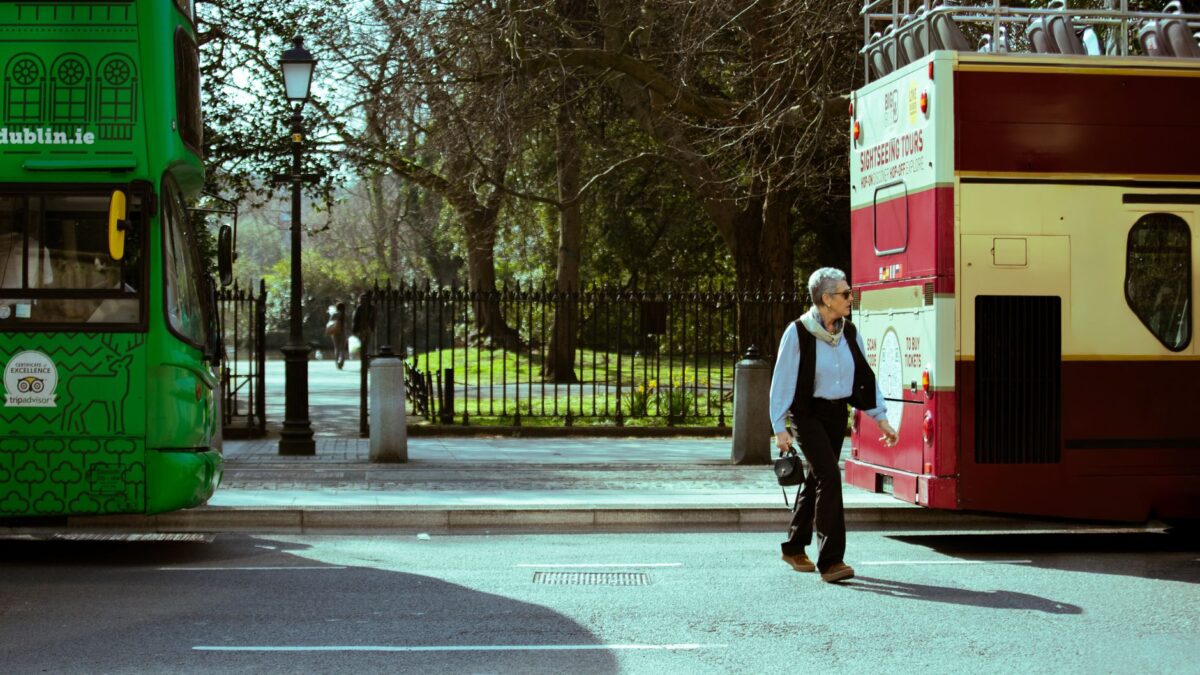
The number one question I get from friends landing at Dublin Airport is always about the bus. And the answer is usually the Dublin Express—the direct coach service that runs from both Terminal 1 and Terminal 2 into the city centre. It’s the no-nonsense option if you’re staying near O’Connell Street, Trinity College, or anywhere along the route. The journey takes about 30–40 minutes depending on traffic, and you’ll hop off at stops like Merrion Square or the Custom House.
Fares are around €8 one-way if you book online in advance, and about €10 if you buy on board. A return will set you back roughly €14–15. You’ll see the drivers taking contactless—just tap your card or phone. It’s not the cheapest, but it’s the most direct bus, and it drops you right in the thick of it.
The Aircoach: a solid all-rounder with a night-owl edge
Aircoach is the other big name, and it’s the one I’d choose if you’re heading to the south side of the city—think Ballsbridge (yes, the leafy embassy belt D4), Ranelagh, or even Dún Laoghaire if you’re doing the coastal thing. The 700 service runs 24/7, which is a godsend for red-eye arrivals. Daytime fares are around €8–10 one-way; night-time (after midnight) is a bit pricier, usually €12–14. You can pay by contactless on board, but the prepaid ticket via the app always works out slightly cheaper—maybe a euro or two less.
The journey to the city centre is 35–45 minutes, longer if you’re going all the way to the southside suburbs. It’s a comfortable, reliable coach with luggage space, and you’ll see it pulling up every 20 minutes or so.
Dublin Bus: the budget workhorse (and the Leap Card wisdom)
If you’re on a shoestring and don’t mind a few stops, Dublin Bus is your friend. The 41 route runs from the airport through the north inner city—stopping near O’Connell Street—and then on out to the northside. The 16, 33, 41, and 102 all serve the airport; the 41 is the one most locals take. It’s slower, roughly 45–60 minutes to the city centre, because it stops often, but it’s cheap.
Here’s the thing you need to know: the TFI Leap Card is your golden ticket. A single TFI 90-minute fare is just €2.00 with a Leap Card (cash is €2.60, and you need exact change—no, they don’t give change). You can buy a Leap Card at the airport’s newsagents or the TFI booth in the arrivals hall. Top it up with a few quid, and you’re set for the whole trip. There’s a daily cap of €6.00 and a weekly cap of €24.00, so if you’re staying a few days, you’ll never pay more than that. If you’re 19–25, get a Young Adult Leap Card and you’ll halve the fare again—that’s a €1.00 trip into town. Students with a valid ISIC or Student Leap get the same.
For tourists, the Leap Visitor Card (1/3/7-day unlimited) is sold at the airport and is a bargain if you’re going to be hopping on the Luas, DART, or buses all day. The 90-minute fare covers transfers with a single tap—so you can bus it from the airport, then hop on a Luas without paying again.
Taxi: the blunt instrument (with a fair warning on surge)
Sometimes you just want to be dropped at the door, wet coat and all. Taxis are plentiful at Dublin Airport, and the journey to the city centre is a fixed-ish fare that usually lands between €30 and €40, depending on traffic and time of day. Night-time is your friend (fewer cars), and the trip takes 25–35 minutes. The meter is authorised, so you won’t be haggled—but do bring cash for the tip if you’re so inclined, though card is accepted everywhere.
A word on ride-hailing: Dublin has Freenow, which is the local preference over Uber. Uber exists, but it just routes you to the same licensed taxi drivers—so you’ll see the same prices. In the early hours, surge pricing can push a Freenow fare to €50+, so if you’re on a budget, check the bus timetable first. That said, if you’re three people with big suitcases and a 6am flight, the taxi is honestly the easiest money you’ll spend all day.
Private transfer: the luxury (and the company-account option)
If you’re here for work—say you’ve got meetings in the Silicon Docks (Grand Canal Dock, the Google and Meta EMEA headquarters)—a pre-booked private transfer is a slick move. You’ll meet a driver in the arrivals hall with a name sign, and he’ll whisk you to your hotel in a Mercedes or a spacious SUV. Expect to pay from €50 to €70 for a one-way into the city centre, and upwards of €80 if you’re heading out to the ’burbs like Dún Laoghaire. It’s the comfiest, most predictable option, but it’s double a taxi and quadruple the bus.
If you’re staying at one of the big hotels like the Clontarf Castle Hotel (yes, there’s a castle hotel, and it’s gorgeous), some of them will arrange transfers for you—just ask. But for most of us, the private transfer is a treat, not a necessity.
Which to pick when?
Here’s your cheat sheet:
- Dublin Express — you’re staying in the city centre, don’t mind a direct ride, and want a middle ground between cost and comfort.
- Aircoach — you’re heading to Ballsbridge, Ranelagh, or Dún Laoghaire, or you land after midnight.
- Dublin Bus (Leap Card) — you’re on a budget, you’re a student, or you want to feel like a local. Get a Leap Card and you’ll pay just €2 for the 90-minute journey.
- Taxi / Freenow — you’re tired, it’s raining (it always is), or you’ve got a flight to catch early and can’t risk a bus delay. Weigh €35 against your sanity.
- Private transfer — company expense, anniversary surprise, or you’re carrying a fishing rod and a surfboard. Splurge.
One last tip: if you’re staying in Stoneybatter—my own stomping ground, the ‘coolest neighbourhood’ per Time Out 2019—the bus will drop you at the Quays and you’ll walk over the Liffey, past the cobblestones of Smithfield, and into the land of Victorian terraces. The taxi will get you there in 25 minutes flat, but you’ll miss the street art.
Whichever you choose, you’re on Irish time now. Go slow, grab a coffee (about €4, but it’s worth it), and let the rain wash off the flight dust. The city’s waiting.
Frequently asked questions
What's the cheapest way to get from Dublin Airport to the city centre?
Dublin Bus (route 41) with a Leap Card costs just €2.00 for a single fare—the TFI 90-minute fare. Without a Leap Card, cash is €2.60. It's slower than a coach, but you can't beat the price.
How much is a taxi from Dublin Airport to downtown?
A taxi into the city centre typically costs between €30–40, depending on traffic and time of day. Freenow is the preferred ride-hailing app in Dublin, but surge pricing can push it higher late at night.
Does the Dublin Aircoach run all night?
Yes, the Aircoach 700 service runs 24/7, making it a reliable option for red-eye arrivals. Night-time fares are slightly higher, around €12–14 one-way.
Is the Leap Card worth it for a short visit to Dublin?
If you're planning more than a couple of journeys on buses, Lusa, or DART, yes. The Leap Visitor Card (1/3/7-day unlimited) is sold at the airport and covers 90-minute transfers for €2.00 per journey, with a daily cap of €6.00.
What's the fastest way from Dublin Airport to the city?
A taxi or private transfer takes 25–35 minutes depending on traffic. The Dublin Express coach takes about 30–40 minutes. A private transfer is the most predictable and costs €50–70.
Things to do in Ireland
 Likely to sell out
Dunmore East Sea Safari to Hook Lighthouse
Likely to sell out
Dunmore East Sea Safari to Hook Lighthouse
 Dublin LGBTQ Pride Historical and Cultural Walking Tour
 Authentic Dublin private car tour Top Ranked Dubliner guide Éamon
 The Irish Dance Experience in Galway, Ireland
 Private Tour of Ring of Kerry & Valentia Island
 Boat Tour of Kinsale Harbour and Bandon River