

From the airport into Jakarta: every option and what it costs
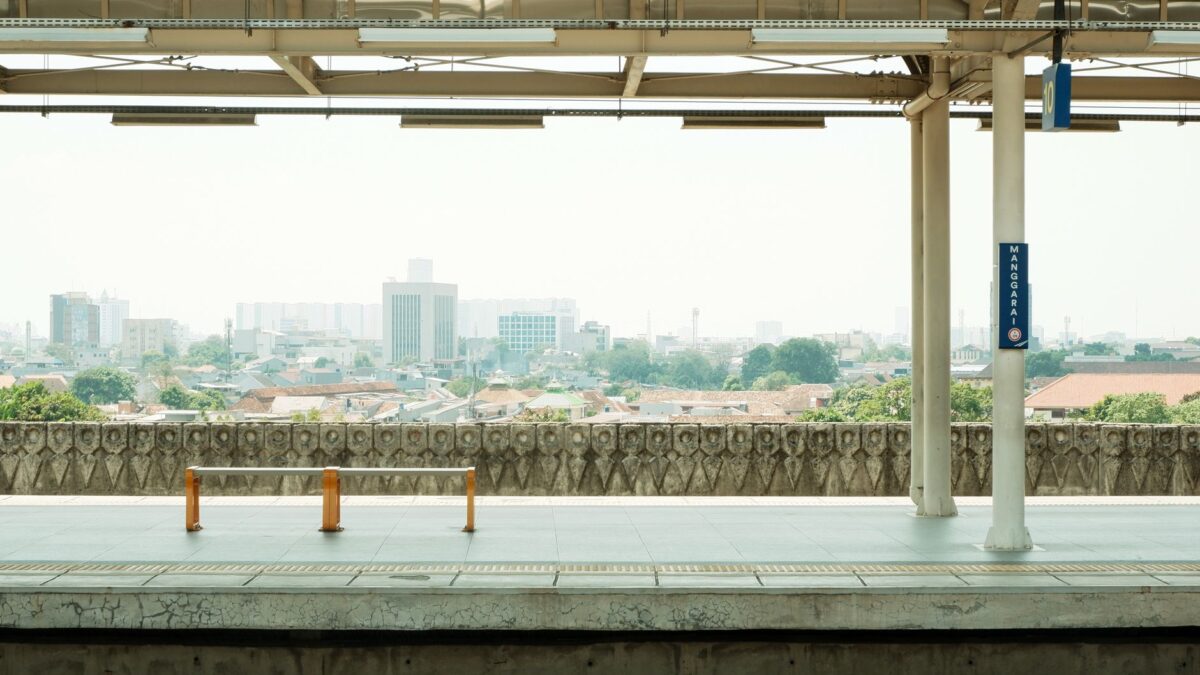
The sliding glass doors of Soekarno-Hatta International Airport (CGK) seal out the humid, heavy air of October, but you won’t have to breathe it for long. As a local who has navigated Jakarta’s labyrinthine transport web for years, I can tell you that getting from the airport into the city is less about finding a ride and more about choosing your level of comfort versus budget. With temperatures hovering around 27–37°C and humidity making it feel like 41°C, your first decision sets the tone for your entire stay in Indonesia’s chaotic, vibrant capital.
The Airport Rail Link: Fastest and Most Reliable
If you value your time and sanity above all else, the Soekarno-Hatta Airport Rail Link (KA Bandara) is your best friend. This dedicated train line connects Terminal 1 and Terminal 2 directly to Kota Station in Old Batavia in just 30 minutes. It is clean, air-conditioned, and immune to the notorious Jakarta traffic jams that can paralyze road travel for hours.
The fare is approximately Rp50,000–60,000 (roughly $3–4 USD) for a one-way ticket. You can buy this at the automated counters or via the KAI Access app. Once you arrive at Kota Station, you are already in the historic center. From here, you can transfer to the TransJakarta busway or a taxi to reach areas like Menteng or SCBD. For solo travelers or couples with light luggage, this is the gold standard. It avoids the stress of haggling and guarantees you won’t get scammed by an unlicensed driver.
TransJakarta Busway: The Budget King
For the truly adventurous traveler on a shoestring budget, the TransJakarta BRT (Busway) offers an authentic slice of daily life. You can catch buses from the airport area or take the KA Bandara to Kota and then transfer. A single ride costs a flat fare of Rp3,500 (about $0.20 USD), though during peak morning hours (05:00–07:00), there is an economy option for Rp2,000.
Important tip: To use the integrated network, you need a Jak Lingko card. If you are staying longer, consider the monthly public transport pass for Rp500,000 ($30 USD), which covers unlimited rides across TransJakarta, MRT, LRT, and Mikrotrans within a specific window. While cheap, be aware that buses can become extremely crowded during rush hour, and navigating them with heavy suitcases is difficult. This option is best if you are heading to a destination directly on a major corridor like Jalan Sudirman or Jalan Thamrin.
Taxis and Ride-Hailing: Convenience vs. Caution
If you prefer door-to-door service, you have two main choices: traditional taxis and ride-hailing apps. Both are relatively affordable compared to Western standards, but the experience differs significantly.
Traditional Taxis
At the airport, stick to official counter services like Blue Bird Group. Avoid drivers who approach you inside the terminal; they are unauthorized and will charge inflated rates. A pre-paid voucher from the counter to central Jakarta (e.g., Menteng or Sudirman) typically costs between Rp150,000 and Rp250,000 ($9–16 USD), depending on the exact zone and time of day. Ensure the meter is running if you opt for street hail, though this is rare at the airport.
Grab and Gojek
Grab and Gojek are ubiquitous in Indonesia. They offer cars (GrabCar/GoCar) and motorbike taxis (GrabBike/GoBike). Motorbike options are faster in traffic but require helmets and carry higher risk. Car fares from CGK to South Jakarta (Kemang) or Central Jakarta usually range from Rp180,000 to Rp300,000 ($11–19 USD), subject to surge pricing during rain or evening peaks. Download these apps before you land, as data connectivity can be spotty upon arrival. Cash payments are possible but linking a card or using e-wallets like OVO or GoPay is smoother.
Private Transfers: Stress-Free Arrival
If you are arriving late, traveling with family, or simply want zero friction, book a private transfer in advance. Services like Welcome Pickups or hotel-arranged drivers meet you at arrivals with a sign. Costs vary widely but generally start around Rp350,000 ($22 USD) for a sedan to central zones, rising for larger vehicles or trips to outer districts like Kelapa Gading. This is worth the premium if you are exhausted after a long flight, as the driver handles luggage and navigation while you recover from jet lag.
Where to Stay and How to Navigate From Here
Your choice of district influences your transport needs. Menteng, with its Dutch-colonial villas and embassies, is a classic first-timer base, offering easy access to the Monas park and Jl. Sabang street food. Kota Tua (Old Batavia) is historic but requires a short taxi ride to reach modern amenities. For nightlife and expat vibes, Kemang is leafy and lively, though further south, making ride-hailing slightly more expensive. SCBD/Sudirman is the financial hub, home to luxury malls and rooftop bars, perfectly served by the MRT.
Remember, Jakarta is cheap by regional standards. A modest 1-bedroom flat outside the centre rents for Rp4,000,000–8,000,000 ($380 USD) monthly, while a mid-range hotel night costs Rp500,000–1,050,000 ($30–65 USD). Use your transit savings to enjoy local cuisine—a plate of nasi goreng at a warteg is just Rp20,000–35,000 ($1.70 USD).
Stay safe, keep your phone secure against snatching in crowds, and embrace the chaos. Jakarta rewards those who navigate it with patience and curiosity.
Frequently asked questions
How much does the airport train cost?
The Soekarno-Hatta Airport Rail Link (KA Bandara) costs approximately Rp50,000–60,000 ($3–4 USD) for a one-way ticket to Kota Station.
Is Grab or Gojek cheaper than a regular taxi?
Usually yes. Car fares from CGK to central Jakarta range from Rp180,000 to Rp300,000 ($11–19 USD), often undercutting official airport taxi vouchers, especially if you avoid surge pricing.
Can I use my bank card for public transport?
Yes. Mandiri e-Money, BCA Flazz, and the Jak Lingko card work on TransJakarta, MRT, and KRL Commuter Line. Contactless stored-value cards are increasingly mandatory for seamless travel.
What is the cheapest way to get into the city?
The TransJakarta BRT bus is the cheapest at Rp3,500 ($0.20 USD) per ride. An integrated multi-mode fare cap allows transfers within a 3-hour window for roughly Rp10,000 ($0.60 USD).
Things to do in Indonesia
 PRIVATE Authentic Balinese Cooking Class in Ubud at Putu's Home
 Ubud Highlights: Monkey Forest, Rice Terrace, Tirta Empul Temple
 Anggrek Putih Lombok Cooking Class & Garden Tour
 Ubud Adventure All Inclusive Private Day Tour
 Likely to sell out
Nusa Penida Two Dives Trip for Certified Divers
Likely to sell out
Nusa Penida Two Dives Trip for Certified Divers
 Bali Airport Transfer Service in Private