

From the airport into Rome: every option and what it costs
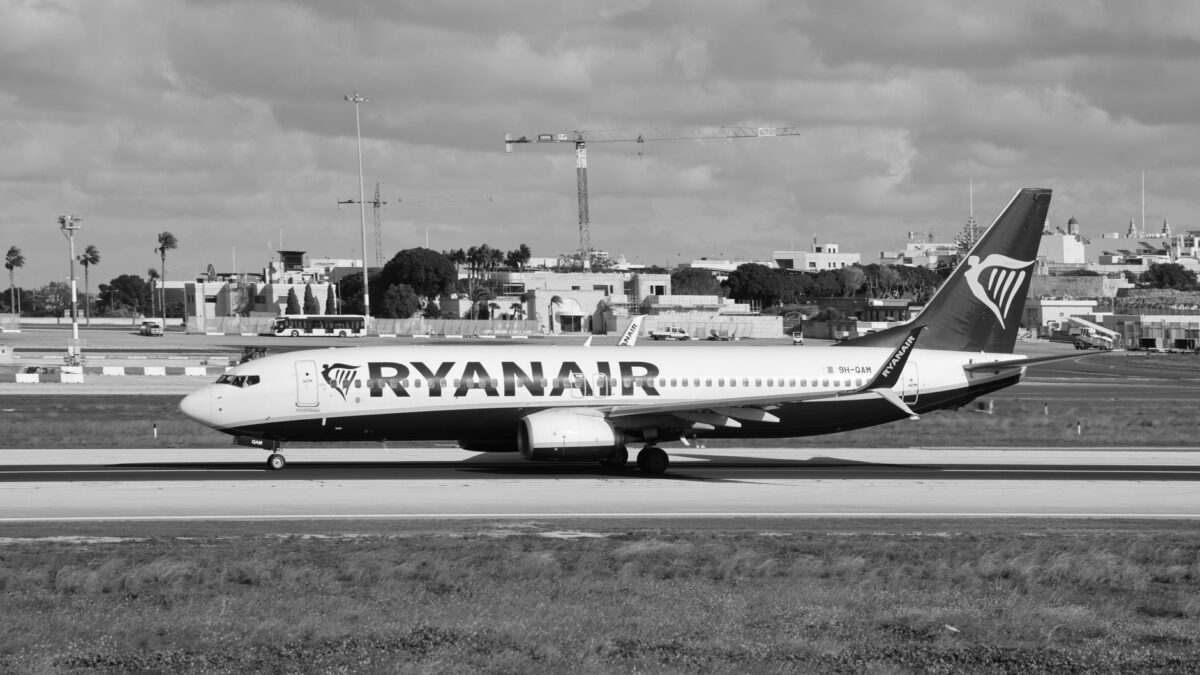
You step out of the arrivals hall at Fiumicino, and the first thing that hits you is the humidity. It is early September in Rome, and the air feels heavy, thick with the promise of a city that has just shaken off its August slumber. The temperature hovers around 22 to 35 degrees Celsius, and while the sky might be overcast, the heat lingers in the pavement. You have your luggage, you are likely tired, and you need to get to your hotel before the evening rush begins. The choices for leaving the airport can feel overwhelming if you do not know the local rhythm. Let me walk you through exactly how to navigate this transition, from the cheapest bus ride to the most comfortable private transfer, using real costs and current conditions.
The Leonardo Express: Speed and Simplicity
If your hotel is near Termini Station or along Metro Line A or B, the Leonardo Express is often the best balance of speed and sanity. This dedicated train runs non-stop from Fiumicino Terminal 3 to Roma Termini in roughly 32 minutes. There are no stops, which means you avoid the hassle of transfers with heavy bags. The fare is approximately €14 per person one-way. While some sources might cite lower base rates for regional trains, the fixed airport premium applies here.
Once you arrive at Termini, you are in the heart of the transport network. From here, you can catch the Metro to reach districts like Monti or Prati. However, be aware that Termini is a hub for pickpockets. Keep your bag zipped and in front of you as you exit the station. If you are traveling late at night, note that the last Leonardo Express usually departs around midnight, so plan accordingly. For many travelers, paying the extra few euros over the bus saves significant stress, especially when the Roman sun is still beating down on you.
ATAC Bus 720: The Budget-Friendly Route
If you want to save money and do not mind a slightly longer journey, the ATAC bus line 720 is your option. It runs directly from Fiumicino to Termini Station and takes about 50 to 60 minutes depending on traffic. The cost is significantly lower: a single ticket is €8.50 if bought in advance or via app, though standard single tickets are around €1.50. Wait, let me clarify—airport buses often require specific tickets. The flat rate for the bus from FCO to the center is generally considered around €8.00 to €8.50 if purchased as an airport-specific pass, but you can also use a standard BIT ticket (€1.50) if you validate it immediately upon boarding, though this is subject to change and strict enforcement. For safety, assume the fare is closer to €8.00 for the direct service.
This bus drops you off right at Termini, same as the train. The advantage is frequency; buses run every 20-30 minutes. The downside is traffic. In early September, the roads into the city can be congested as locals return from holiday. If you have a tight connection or are exhausted, the train is safer for your time. But if you are watching your budget, the bus is perfectly adequate. Just ensure you buy your ticket before boarding to avoid hefty fines from the conductors who patrol these routes frequently.
Taxis: Fixed Rates and Real Costs
Rome’s official taxis are white with red license plates. You should only take them from designated queues outside the terminal. Do not accept rides from drivers approaching you inside the hall; they are unauthorized. The fare from Fiumicino to any point within the Aurelian Walls (the historic center) is fixed at €50. This is a flat rate regardless of traffic, which is a relief. If your destination is outside the walls, such as in EUR or Monteverde, the meter will apply, and the cost could rise significantly.
A taxi ride to Trastevere or near the Pantheon will cost you exactly €50. It takes about 40-50 minutes. This is a good option if you are a group of three or four, splitting the cost makes it comparable to the train. Be wary of scams involving “closed hotels” or wrong change. Always ask for the receipt (scontrino). For solo travelers, the €50 fee is steep compared to the €14 train, but the door-to-door convenience is undeniable, especially if you have large suitcases or are arriving after dark.
Private Transfers: Comfort and Predictability
For those who value peace of mind above all, private pre-booked transfers are excellent. Companies like Blacklane or local operators offer sedans and minivans. Prices vary by vehicle class and time of day, but you can expect to pay between €60 and €90 for a standard sedan to the historic center. The benefit is that the driver meets you with a sign, helps with luggage, and drives you directly to your hotel entrance.
This is particularly useful if you are heading to areas less served by public transport, like certain parts of Testaccio or Ostiense, or if you are staying in upscale districts like Prati where parking is a nightmare. In 2026, with ongoing construction around Piazza Venezia affecting goods vehicles during the day, private cars are less restricted than delivery trucks, ensuring a smoother ride into the center. Book in advance online to lock in prices and avoid surge pricing.
Navigating the City Once You Arrive
Once you are in the city, getting around requires understanding the ATAC system. The single ticket (BIT) costs €1.50 and is valid for 100 minutes on buses, trams, and metros. Note that as of August 2026, most tram lines are replaced by buses due to track maintenance, with full tram service not expected until November. So, rely on buses and the metro. The Metro A and B lines cover most tourist sites: A takes you to the Spanish Steps and Villa Borghese; B reaches the Colosseum and Termini.
If you plan to visit multiple sites, consider the Roma 24H pass for €8.50 or the 72-hour pass for €22. This covers unlimited travel and is worth it if you are rushing to see the Vatican Museums, the Pantheon, and the Forum in a short span. Remember, the Pantheon now charges a €5 entry fee, and the Colosseum combined ticket is €18. Plan these bookings weeks in advance, especially for Galleria Borghese, which requires timed entry booked well ahead.
Keep an eye on the weather and local events. Early September sees the start of festivals like Short Theatre, with performances at Orto Botanico and Mattatoio. The evenings are warm, perfect for dinner in Trastevere or a drink in Monti. But stay alert in crowded areas like Termini and near major landmarks. Pickpocketing is common. Trust your instincts, keep valuables hidden, and enjoy the rebirth of Rome. The city is waking up, the markets are restocking, and the ancient stones are waiting for you.
Frequently asked questions
How much does a taxi cost from Fiumicino to Rome center?
The fixed fare for an official white taxi from Fiumicino Airport to anywhere within the Aurelian Walls is €50. This covers up to four passengers and includes luggage.
What is the fastest way to get from Fiumicino to Termini?
The Leonardo Express train is the fastest option, taking approximately 32 minutes non-stop. It costs around €14 and runs every 15-30 minutes.
Are trams running in Rome in September 2026?
Most tram lines are suspended until late November 2026 due to track works. Only Tram 3L may resume partially in early September, but buses have largely replaced other tram routes.
Can I use a regular metro ticket on the airport bus?
Yes, a standard ATAC BIT ticket (€1.50) is valid on bus line 720, but you must validate it immediately upon boarding. Ensure you buy it beforehand to avoid fines.
Is it safe to take public transport from Fiumicino at night?
Yes, both the Leonardo Express and bus 720 operate late. However, remain vigilant against pickpockets at Termini Station and keep your belongings secure throughout the journey.
Things to do in Italy
 Likely to sell out
Authentic Puglia Cooking Class in a Local Family Home Near Lecce
Likely to sell out
Authentic Puglia Cooking Class in a Local Family Home Near Lecce
 Visit in Pompeii - Pompeii Private Tour with Ada
 Lake Como Private Boat Tour from Bellagio with a Local
 Private Tour explore Vulcano Island by Kayak & Coasteering
 Sassi di Matera guided tour with Giulio
 Special offer
The BEST Private Amalfi Coast Vespa Tour
Special offer
The BEST Private Amalfi Coast Vespa Tour