

From the airport into Santo Domingo: every option and what it costs
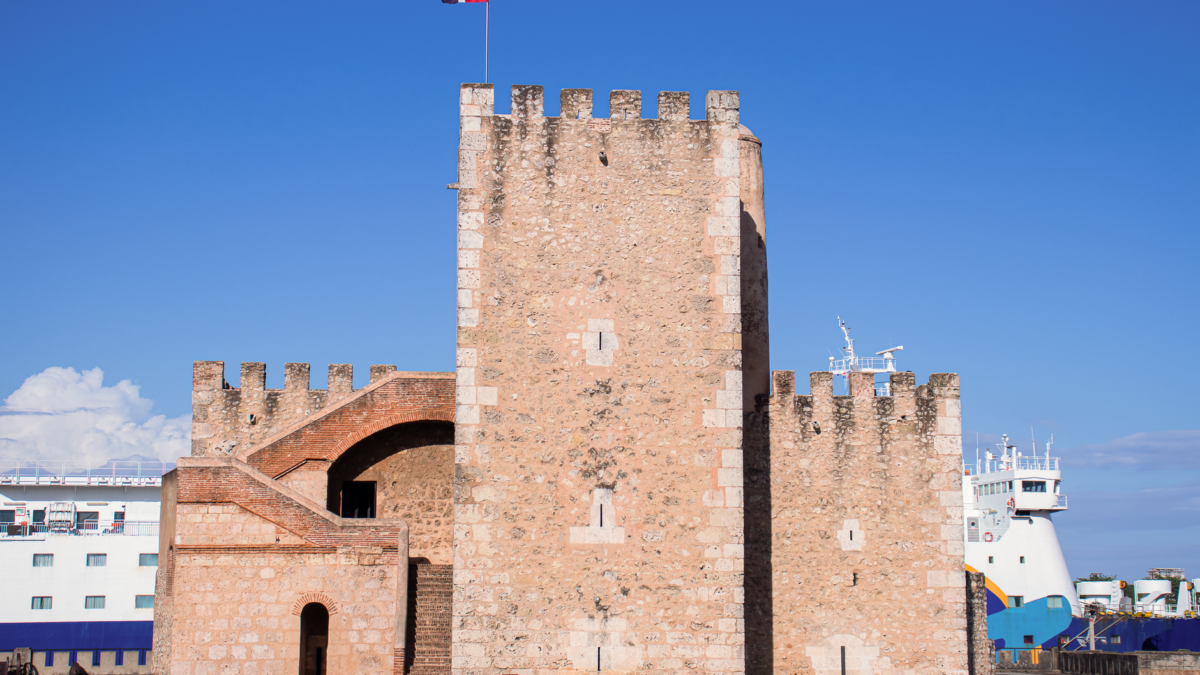
The air conditioning in the arrivals hall at Las Américas International Airport (SDQ) is always a shock against the humid Caribbean heat waiting outside. You’ve just touched down in Santo Domingo, the oldest continuously inhabited European settlement in the Americas, and your first decision is logistical: how do you get from this concrete bubble into the city? Whether you are heading to the cobblestone charm of the Zona Colonial or the polished streets of Piantini, the options are distinct, priced in Dominican pesos (DOP), and vary wildly in comfort. With the exchange rate hovering around 59.5 DOP per US dollar, costs here remain surprisingly accessible, but knowing the difference between a tourist trap and a local staple can save you significant money and stress.
The Official Taxi: Predictable but Premium
If you want zero friction upon arrival, the official airport taxi service is your safest bet. These vehicles are clearly marked and operate on a fixed-rate zone system rather than a meter. For a ride into the heart of the city—specifically the Zona Colonial or the central districts—you should expect to pay approximately RD$1,500 to RD$2,000 (roughly $25–$34 USD). While this is significantly more expensive than local options, it is transparent. You pay at the booth before you exit the terminal, eliminating haggling.
This option is ideal if you are arriving late at night, traveling with heavy luggage, or are simply not up for navigating public transit systems immediately after a long flight. The drivers are generally professional, and the ride to places like the Hotel W&P Santo Domingo or the Hodelpa Nicolás de Ovando will take about 30 to 45 minutes depending on traffic. It’s the price of convenience, buying you peace of mind as you step into a country where petty theft is a realistic risk in unfamiliar areas.
Ride-Hailing Apps: The Smart Middle Ground
For most travelers, Uber or similar ride-hailing apps offer the best balance of cost and safety. Fares are typically 30-40% lower than the official airport taxis. A ride from SDQ to the Zona Colonial might run you around RD$800 to RD$1,000 ($13–$17 USD), while a trip north to the upscale business district of Piantini could be slightly higher due to distance. The app handles the payment via credit card, so there is no need to carry large amounts of cash or worry about drivers claiming they don’t have change.
However, there is a nuance to using these apps here. Drivers may sometimes hesitate to pick up passengers directly from the airport curb due to local regulations. It is often smoother to walk out to the main road or a designated pickup point nearby. Once you are moving through the city, however, Uber is widely used by locals and expats alike, providing a digital paper trail that enhances security, especially when traveling alone or returning from nightlife spots in Naco or Bella Vista.
Public Transit: For the Brave and Budget-Conscious
If you are adventurous, budget-conscious, and eager to experience Santo Domingo like a local, the public transit network is robust and incredibly cheap. The Santo Domingo Metro (OPRET), which includes Lines 1 and 2, has held its fare steady at RD$20 (about $0.34 USD) since 2009. This is arguably the best value in Latin American public transport. To use it, you buy a rechargeable contactless card at the station booth.
Since December 2025, the government has introduced an integrated fare system. For roughly RD$35 ($0.60 USD), you can make one trip across the Metro lines, the Teleférico cable car in Sabana Perdida, and specific OMSA bus corridors within a 30-45 minute window. This integration is a game-changer for connectivity. From the airport, you would typically take a short taxi or ‘carro público’ (shared van) to the nearest metro station, such as Los Próceres, and then tap in. The metro is clean, safe during the day, and efficient, bypassing some of the worst traffic congestion on Avenida George Washington (El Malecón).
For shorter hops or areas not covered by rail, look for ‘carros públicos.’ These are older sedans or vans that follow set routes. They are chaotic, loud, and require exact change, but they are part of the city’s rhythm. Avoid ‘motoconchos’ (motorcycle taxis) unless you are very experienced; they are fast but dangerous. Also, steer clear of outer barrios like Cristo Rey, Villa Juana, or Villa Mella if you are not a resident; locals advise visitors away from these areas due to higher crime rates and lack of tourist infrastructure.
Private Transfers: Luxury and Logistics
For those prioritizing comfort, privacy, or group travel, private transfer services offer a tailored experience. Companies can arrange meet-and-greet services inside the terminal, where a driver holds your name sign and assists with luggage. Costs vary based on vehicle class but generally start around RD$2,500 ($42 USD) for a standard sedan and go up for SUVs or luxury vehicles. This is worth considering if you are heading to remote locations, such as a day trip to Jarabacoa for rafting or the Samaná Peninsula for whale watching, or if you have complex itineraries involving multiple stops.
Many hotels, including boutique stays in the Honky Tonk Colonial, also offer arranged transfers. While slightly more expensive than booking independently, the reliability is guaranteed. In a city where language barriers can occasionally complicate simple transactions, having a dedicated driver who knows the nuances of traffic patterns and border controls (if you are crossing to Haiti or returning from a cruise) adds a layer of ease that many travelers appreciate.
Navigating the City After Arrival
Once you are in Santo Domingo, getting around requires understanding the geography. The Zona Colonial is compact and best explored on foot, though you should stick to well-lit main streets like Calle El Conde after dark. The city’s art anchor, the Plaza de la Cultura in Gazcue, is accessible via the metro or a short taxi ride. If you plan to explore further, the National Botanical Garden Dr. Rafael María Moscoso and Los Tres Ojos park in Mirador del Este are excellent daytime destinations, easily reachable by taxi or ride-share.
Currency-wise, keep small bills handy. While cards are accepted in malls like Ágora or Blue Mall and at nicer restaurants like Restaurante Manolo or Jalao, smaller establishments, colmados (corner stores), and transit hubs rely on cash. A bottle of Presidente beer at a colmado costs about RD$110 ($1.85 USD), and a simple meal at a local comedor might be RD$429 ($7.20 USD). ATMs are widely available, but be mindful of withdrawal fees and dynamic currency conversion offers; always choose to pay in local currency (DOP) to get the best rate.
Santo Domingo is a city of contrasts, blending colonial history with modern hustle. By choosing the right transport mode for your budget and comfort level, you ensure your first impression is positive. Whether you’re tapping a metro card for less than a dollar or sliding into a private sedan, the city is ready to welcome you. Just remember to file your free e-Ticket at eticket.migracion.gob.do before you arrive, and enjoy the vibrant energy of Ciudad Trujillo, as it was once known.
Frequently asked questions
How much does a taxi cost from Santo Domingo airport to the Zona Colonial?
Official airport taxis charge a fixed rate of approximately RD$1,500 to RD$2,000 ($25–$34 USD) for trips to the historic center. Ride-hailing apps like Uber typically cost 30-40% less, around RD$800–$1,000.
Can I use the metro to get from the airport to the city center?
Not directly. You must take a short taxi or carro público from the airport to a metro station like Los Próceres. Once there, a single metro ride costs only RD$20, or RD$35 for an integrated ticket covering metro, bus, and cable car.
Is it safe to use Uber in Santo Domingo?
Yes, Uber is widely used and considered safer than unregistered taxis, especially at night. It provides a digital record of your trip. However, drivers may ask you to walk to a nearby main road for pickup rather than staying at the airport curb.
What is the cheapest way to travel around Santo Domingo?
The Santo Domingo Metro is the cheapest option at RD$20 per ride. Public buses (OMSA) and shared vans (carros públicos) are also very low-cost but require more navigation and exact change.
Do I need cash for public transport?
Yes, while the metro accepts contactless cards purchased at booths, carros públicos and motoconchos require exact cash in Dominican pesos. It is wise to keep small bills for transit and small purchases.
Things to do in Dominican Republic
 Special offer
Buggy Adventure Punta Cana Macao Beach Water cave and Off-road
Special offer
Buggy Adventure Punta Cana Macao Beach Water cave and Off-road
 Professional Photographer in Punta Cana for Private Events
 VIP Transfer from Punta Cana Airport to Punta Cana / Bavaro Hotel
 Private Luxury Catamaran - Saona or Catalina island
 Hip Hop Party Boat Punta Cana with Snorkeling Only Adults
 ATV & buggy Punta Cana Off Road Macao beach & Cave