

Getting around Abu Dhabi: metros, taxis and passes
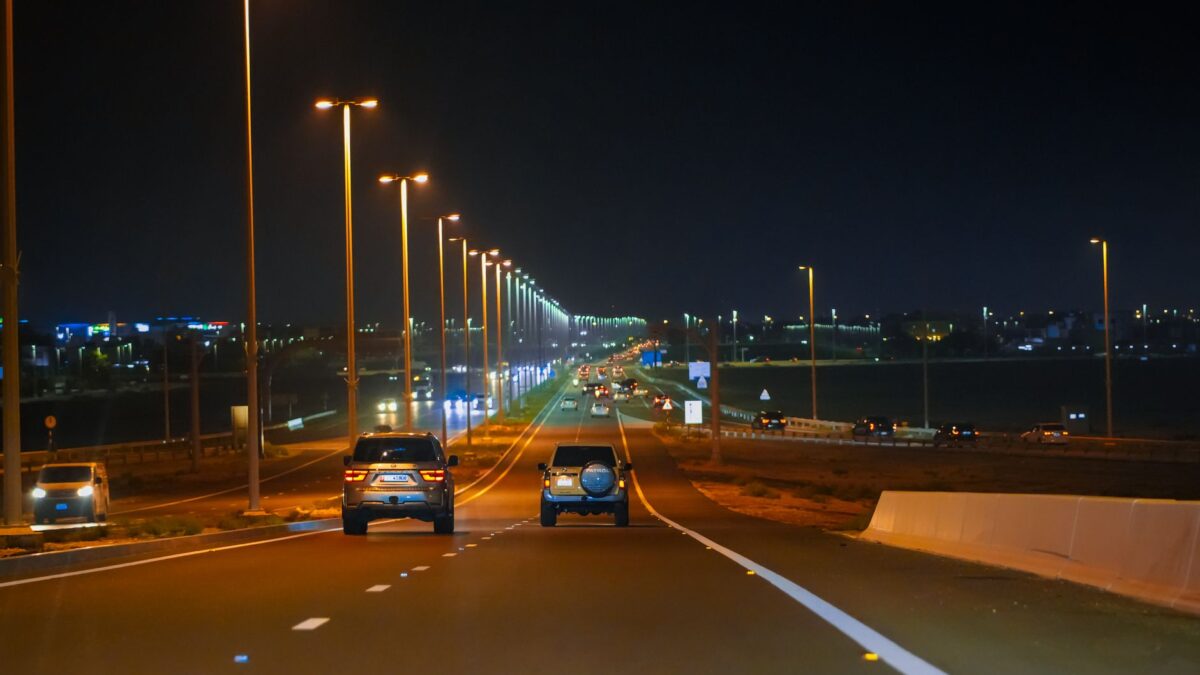
The air hangs thick and damp over the Corniche at 6 a.m., the tail end of August pressing down like a warm blanket. You can already hear the falcon auctions warming up at ADNEC for ADIHEX, and the lanes on President Joko Widodo Street are half-shut, making the morning crawl a little slower than usual. This is Abu Dhabi in its quiet-before-the-storm moment — and it’s exactly when knowing how to move matters most. I’ve lived here for over a decade, and I’ll tell you straight: this city doesn’t do “just wing it” well when the sun is out. Let me walk you through how we actually get around.
The Hafilat card: your key to the bus system
First, forget everything you know about metro-centric cities. Abu Dhabi’s public transport backbone is the bus — clean, air-conditioned, and absurdly cheap. The only card you need is the Hafilat Smart Card from AD Mobility (the old ITC). You tap on and off with it across the city, Al Ain, and Al Dhafra. An anonymous card costs about AED 10, and a single city-zone ride is a flat AED 2 — that’s under 60 US cents. For a city where a short taxi ride starts around AED 12 and quickly climbs to AED 15–25, the bus is a no-brainer for daily commutes.
If you’re staying a week or more, grab the unlimited 7-day pass for AED 35, or the 30-day pass for AED 95 (about $26 — seniors and people of determination get it for AED 80). Recharge at Ticket Vending Machines, Lulu Hypermarket, or the Darbi app. One warning: Dubai uses its own Nol card, so don’t mix them up. The buses are punctual, but in late August you’ll want to check the Darbi app for live arrivals — the heat makes waiting at a stop feel like standing in a hair dryer.
Metro? Not yet — but rail is coming
Here’s the honest truth: Abu Dhabi still has no metro. The talk is real, though. Construction on the first 97-km phase of the Abu Dhabi–Dubai high-speed rail officially kicked off in mid-August, with ground works near Zayed International Airport and Yas Island. That’s a few years out. But we do have Etihad Rail’s passenger service linking Abu Dhabi to Fujairah, running since late June this year — so intercity rail around the capital is newly available this summer. It’s a game-changer for a weekend trip to the east coast, but not for your daily errands.
For now, think of the bus as your metro. Routes like the A1 (airport–downtown) and the 5 (along the Corniche) are the workhorses. If you’re heading to Saadiyat Island for the Louvre or the new Zayed National Museum, the 94 bus drops you near the cultural district. Just remember: buses stop running earlier than you’d expect, usually around midnight, so plan your late nights around taxis.
Taxis and ride-hailing: the workhorse
When the sun is brutal or you’re carrying groceries, we call a cab. The official Abu Dhabi taxis are silver with a yellow roof sign, and the base fare is around AED 12, with a minimum ride of about AED 15–25 around town. That’s roughly $4–7. You can hail them on the street in central areas, but the smart move is using the AD Taxi app or the local ride-hailing services like Udrive and Careem. Careem is the go-to for a booked car, and it’s slightly cheaper than hailing on a hot day because you can see the fare upfront.
A quick tip from a local: never let a driver take the long way through the Salam Street tunnel if you’re going from Khalidiya to Al Reem. During rush hour (5–8 p.m.), that tunnel is a parking lot. Stick to the Corniche route or use the toll-free alternative streets. And always carry small change — some drivers struggle with AED 500 notes, and tipping is not expected but appreciated (round up to the nearest AED 5).
Walking: only when the sun behaves
Let me be blunt: in August, walking is a survival sport. The forecast says 32–44°C with overcast mornings, but that humidity will soak you through in five minutes. The only times I walk are short hops — from the Galleria on Al Maryah to the ADGM tower, or along the shaded boulevards of Al Reem Island. Saadiyat’s Cultural District is walkable between the Louvre and the Natural History Museum, but you’ll want an umbrella for shade and a bottle of water. The Corniche has a dedicated walking path, but aim for before 7 a.m. or after 7 p.m. If you’re a runner, Hudayriat Island’s Velodrome and Trail X are your spots — but go at dawn, when the gazelles are out and the asphalt hasn’t turned to griddle.
When walking beats everything? After Friday prayers, when the mosque parking lots turn into a circus — park at Qasr Al Watan and walk the 400 meters to the Sheikh Zayed Grand Mosque’s free 45-minute tour. Or in the old Mina Zayed district, where you’ll want to wander between the fish market and Souq Al Mina with a karak chai in hand (AED 2–5 at any corner cafeteria). Those moments are priceless, and no car can replicate the smell of grilled hamour from the Al Mina waterfront.
Traffic events that will ruin your day
August 26 marks the eve of the ADIHEX exhibition — the Abu Dhabi International Hunting and Equestrian Exhibition opens at ADNEC on August 28 for ten days, with 2,405 brands from 71 countries and eight falcon auctions. It brings thousands of visitors, and with the partial road closure on President Joko Widodo Street right next to ADNEC through August 30, you’ll want to avoid that zone entirely between 8 a.m. and 10 p.m. Hotels around ADNEC are already filling up, but for transit, just remember: the 34 and 54 buses still run, but they’ll crawl. Take the 101 from downtown and walk the last 500 meters.
Also wrapping up now is the inaugural Sheikh Zayed Summer Festival in Al Wathba, and the 32nd Abu Dhabi International Chess Festival concluded on the Corniche on August 24. That means the Corniche between the Radisson Blu and Abu Dhabi Mall is lighter than usual — good news for walking in the evenings. But keep an eye on the calendar: once September hits, the autumn events season explodes, and every sheikh’s cousin shows up with a convoy.
Practical passes: what actually works
Here’s the thing — there’s no single “all-in-one” travel pass in Abu Dhabi. The Hafilat card covers buses, but taxis and ride-hailing are separate. My advice: get a Hafilat anonymous card (AED 10) and top it up with AED 50. That’ll last you a week of bus rides and a few tram-like trips on the 5. For taxis, set up a Careem account with your phone (a local SIM from e& or du is essential — tourists can grab a prepaid eSIM at Zayed International Airport). If you’re a resident, your Emirates ID unlocks everything from bank accounts at FAB or ADCB to a postpaid phone line. Don’t bother with monthly passes unless you’re commuting daily — the 7-day unlimited for AED 35 is the sweet spot for visitors.
One more thing: the Darbi app is your friend. It shows live bus positions, sells digital Hafilat passes, and even lets you pay for some parking. And if you’re heading to Dubai for a day trip, don’t forget the Nol card is separate — the E101 bus from Abu Dhabi Central Station to Ibn Battuta runs every 20 minutes and costs about AED 25, but you’ll need a Nol for the Dubai metro once you arrive.
The last word from a local
Abu Dhabi rewards the patient traveler. The city is designed for cars, but its soul is in the walkable pockets — a Friday morning at the Sheikh Zayed Grand Mosque, a sunset stroll along the Al Maryah waterfront, a late-night shawarma (AED 5–10) from a Khalidiya joint. You don’t need a car to feel the pulse; you need the right card, a sense of timing, and the humility to let the heat dictate your pace. Start with a Hafilat card and a Careem account, and you’ll move like us — slowly, deliberately, and always with a cold bottle of water in hand.
Frequently asked questions
Does Abu Dhabi have a metro system?
Not yet. The city runs on buses (Hafilat card) and taxis. The Abu Dhabi–Dubai high-speed rail is under construction, and Etihad Rail’s passenger service linking Abu Dhabi to Fujairah started in June 2026.
What is the best way to pay for public transport in Abu Dhabi?
Get a Hafilat Smart Card (about AED 10). City bus rides cost a flat AED 2, and an unlimited 7-day pass costs AED 35. You can recharge via the Darbi app or at Lulu Hypermarket.
How much does a taxi cost in Abu Dhabi?
A short ride costs around AED 15–25, with a base fare of about AED 12. Use the AD Taxi app or Careem to book and see the fare upfront.
Is it safe to walk around Abu Dhabi in August?
It’s too hot for long walks — temperatures hit 44°C. Stick to shaded areas like the Louvre Abu Dhabi’s dome or walk early morning/evening on the Corniche. Use buses or taxis for anything over 10 minutes.
Are there any traffic disruptions around ADNEC in late August 2026?
Yes — ADIHEX opens on August 28 at ADNEC, and there’s a partial road closure on President Joko Widodo Street until August 30. Expect delays; take the 101 bus and walk the last stretch.


