

Getting around Addis Ababa: metros, taxis and passes
The air in Addis Ababa always carries a specific weight. In mid-October, as the heavy kiremt rains finally surrender to hazy-warm days and distinctly cool evenings, the city exhales. The landscape remains stubbornly green, washed clean by weeks of downpour, but the streets tell a different story: they are crowded, vibrant, and moving with an urgency that can feel overwhelming if you don’t know the rhythm. You are standing on a corner near Bole or perhaps Meskel Square, watching blue minibuses weave through traffic like water around stones. Getting around this capital of nearly four million people is not just about distance; it is about understanding the layers of movement that locals navigate daily.
The Pulse of the Street: Blue Minibuses
If there is one vehicle that defines the heartbeat of Addis Ababa, it is the blue minibus. These vehicles, often older models kept running by sheer Ethiopian ingenuity, are the primary mode of transport for the vast majority of residents. They do not run on fixed schedules, nor do they have numbered routes displayed prominently. Instead, they operate on corridors known by the names of the neighborhoods they connect—think of lines stretching from Merkato to CMC, or from Piassa to Bole.
To ride them, you simply raise your hand. The driver will slow down, check if you are heading in their direction, and open the door. It is democratic, efficient, and cheap. A single ride on a blue minibus costs roughly Br 5–15 (about $0.2). For the price of a cup of local coffee at a traditional stall, you can cross a significant portion of the city. However, efficiency comes with a learning curve. Drivers may stop to pick up passengers along the way, and doors are rarely locked while moving. You must be alert, holding onto your belongings close, especially in congested areas.
Recent developments offer some reassurance for safety-conscious travelers. A Ministry of Justice study reported earlier this month that street crime, including theft and assault, has dropped by over 42% in the capital’s corridor and riverside development zones. This decline is credited to new street lighting, wider sidewalks, and increased CCTV coverage—a talking point in local news that suggests the streets are safer than they might appear from outside reports. Still, standard urban vigilance applies. Keep your phone tucked away when possible, and trust your instincts if a situation feels off.
Rising Above the Traffic: The Light Rail Transit
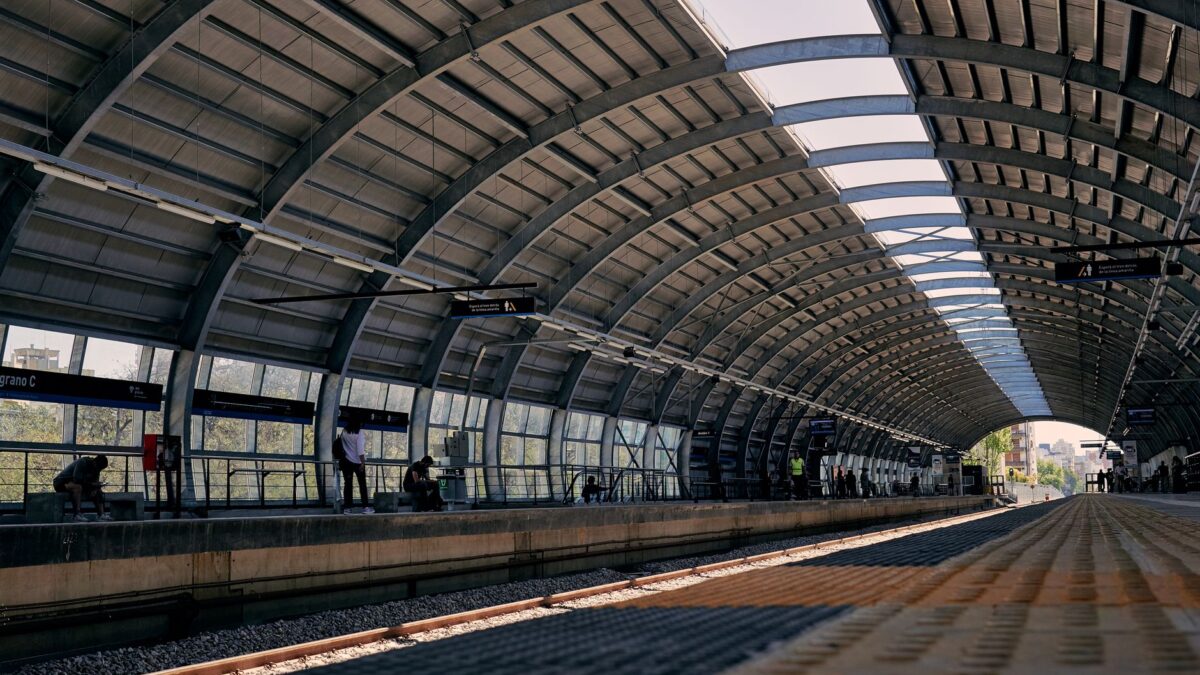
When the roads become gridlocked—which happens frequently, especially during peak hours or major events—the solution rises above the chaos. The Addis Ababa Light Rail Transit (LRT) is a marvel of modern infrastructure in a rapidly developing nation. Opened to the public a few years ago, it connects the northern suburbs to the southern industrial zones, cutting through the heart of the city.
The experience of riding the metro is distinct. It is clean, air-conditioned, and orderly. Fares are remarkably affordable: a single trip within the city costs around Br 10–20 (approximately $0.3), with a full cross-city journey landing at the higher end of that range. For less than the cost of a meal at an inexpensive local injera house, you can bypass hours of potential traffic congestion. The stations themselves are hubs of activity, often located near key landmarks and shopping centers.
However, the metro is not without its quirks. During special events, such as the recent IPCC Plenary Session held at the Ethiopian Meteorological Institute in Bole Sub City, certain areas experience heavy hotel and conference traffic. While the metro itself remained operational, access points near Bole could see surges in pedestrian movement. Additionally, the system does not cover every neighborhood. If your destination is deep in a residential area like Gerji or parts of Kirkos, you will likely need to transfer to a minibus or taxi for the “last mile.” The LRT is best used for long, straight-line commutes across the central axis of the city.
Taxis and Ride-Hailing: Comfort and Convenience
For those who prefer air-conditioning, direct routing, or are traveling late at night, taxis and ride-hailing apps provide a comfortable alternative. Traditional yellow taxis are abundant, but negotiating fares can be tricky. It is often easier to use established ride-hailing services like Ride or Feres, which integrate with local payment methods and provide transparent pricing.
A short taxi trip within the city typically costs between Br 80–250 (roughly $3), depending on distance and time of day. While more expensive than the minibus or metro, it offers a level of predictability and comfort that many find worth the premium. This is particularly useful if you are staying near hotels like the SOCIAL HOUSE ADDIS ABABA or Hayes Hotel Addis Ababa, where drivers are familiar with the immediate vicinity.
It is important to note the broader security context when planning travel. Ethiopia has imposed an indefinite ban on all drone flights following recent incidents, and Western embassies continue to advise caution regarding travel to certain regions. While Addis Ababa itself remains stable, these national tensions can sometimes influence local security postures. Stick to well-lit, populated areas, especially after dark. The drop in street crime is encouraging, but the presence of military installations and heightened security measures means that discretion is wise. Avoid photographing government buildings or military personnel, and be mindful of your surroundings.
Walking: The Best Way to See the City
Despite the availability of motorized transport, walking remains one of the most rewarding ways to experience Addis Ababa. The city is built on hills, offering panoramic views that you simply cannot see from a vehicle. Neighborhoods like Old Airport and Sarbet are dense with history, architecture, and life. Wandering through these areas allows you to discover hidden gems, from small cafes to bustling markets.
In October, the weather is ideal for walking. Days are warm but not scorching, and evenings bring a crisp chill that makes strolls pleasant. You can walk from Meskel Square to the National Museum of Ethiopia, passing through vibrant commercial districts along the way. Along these routes, you will find numerous opportunities to pause. A cup of coffee at Tomoca Coffee or Galani Coffee is not just a beverage; it is a ritual. At a seated café, you might pay Br 40–80, while a quick stand-up coffee at a stall costs Br 15–30. These pauses are essential for soaking in the atmosphere.
Food is another reason to embrace walking. The culinary landscape of Addis is diverse and accessible. You can enjoy a dish of shiro wat with injera, the everyday staple, for Br 70–100 (about $1.6). For a vegan feast, look for a beyaynetu, a platter of six vegetarian stews, available for around Br 120 ($2.2). Or try kategna, toasted injera served with berbere and butter, for Br 40–60 ($0.9). Eating well is cheap, and doing it on foot allows you to sample multiple spots in a single evening. Restaurants like Kategna Restaurant in Bole Medhanyalme or Totot Traditional Food Hall in Gerji offer authentic experiences, but the real magic often lies in the smaller, family-run eateries tucked into side streets.
Navigating Practicalities and Passes
While Addis Ababa is affordable by global standards, costs have risen. Inflation stands at approximately 13-15%, with food prices increasing year-on-year. A resident minimum for a single renter is estimated around Br 35,000 per month, reflecting the climb in rent and essentials. As a visitor, you will benefit from knowing that transport remains low-cost relative to international norms.
There are no comprehensive monthly transit passes for tourists, as the system relies heavily on per-trip payments. For the metro, you purchase tickets at the station or use a stored-value card if available. For minibuses, cash is king; keep small denominations handy. Taxis and ride-hailing apps accept cards or mobile money, providing flexibility. If you plan to stay for an extended period, consider budgeting for a mix of transport modes. Use the metro for long distances, minibuses for short hops, and taxis for late-night returns.
Finally, remember that Addis Ababa is a city of contrasts. It is a place where ancient traditions meet modern aspirations. The Irreecha festival, celebrated recently in nearby Hora Finfinnee, draws huge crowds and highlights the cultural depth of the region. Even if you miss the holiday travel clogging roads out of the capital, the spirit of communal celebration permeates the city. By choosing how you move through Addis, you choose how you engage with it. Walk when you can, ride the metro when you must, and let the blue minibuses carry you on adventures you didn’t expect. The city rewards curiosity, patience, and a willingness to blend in with its lively, chaotic rhythm.
Frequently asked questions
How much does a single ride on the Addis Ababa Light Rail cost?
A single fare on the metro is approximately Br 10–20 (around $0.3), with full cross-city trips costing towards the higher end of that range.
Is it safe to walk around Addis Ababa at night?
Street crime has reportedly decreased by over 42% due to improved lighting and CCTV, but standard precautions apply. Stick to well-lit areas and remain vigilant.
What is the typical cost of a meal at a local injera house?
An inexpensive local meal featuring injera and stews like shiro typically costs between Br 80–150 (about $2.1).
Can I use credit cards for minibuses in Addis Ababa?
No, minibuses operate on a cash-only basis. Keep small birr denominations handy for fares, which usually range from Br 5–15.
Are there monthly transit passes for visitors in Addis?
There are no specific tourist passes. Most residents and visitors pay per trip using cash for minibuses and tickets or stored-value cards for the metro.
Things to do in Ethiopia
 Omo Valley Tours from Jinka
 Addis Ababa- Guided city tour with museum and market
 Addis Ababa City Tours Full Day With Hotel Pickup And Drop Off.
 Addis Ababa: Customizable Food, Markets, Coffee & Culture Tour
 Discover Addis Ababa:Museums,Churche,Markets,Landmarks & Coffee
 3-Day Arba Minch & Konso: Culture, Wildlife & Local Tour