

Getting around Amsterdam: metros, taxis and passes
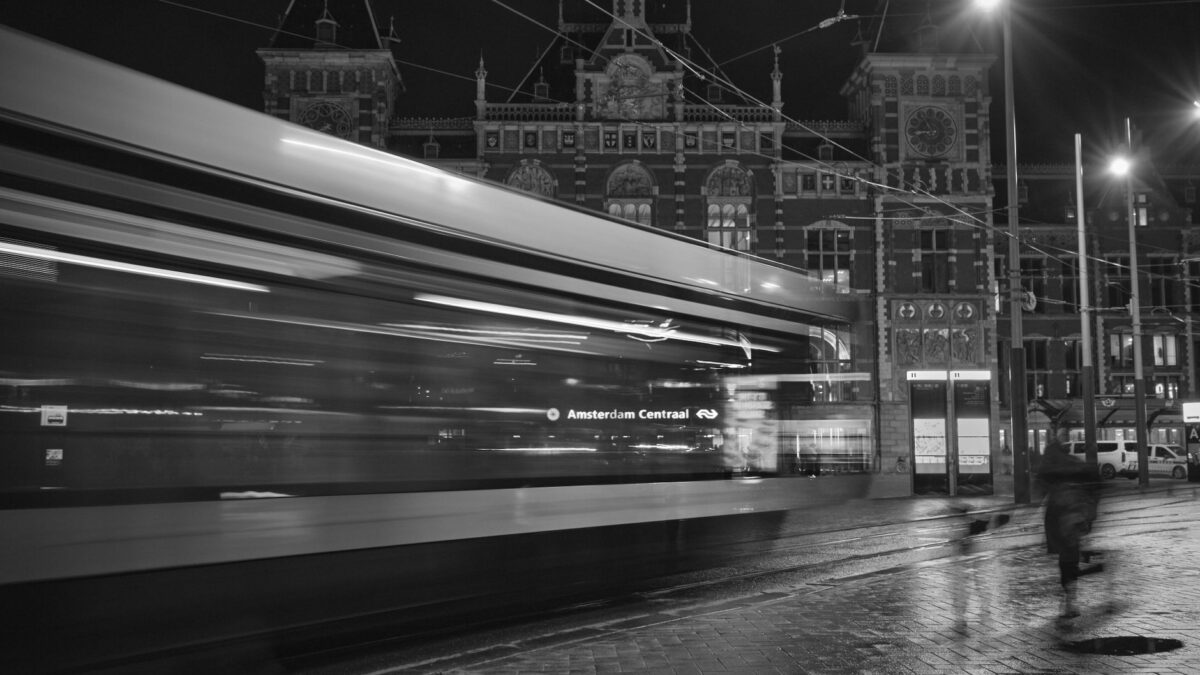
It is November in Amsterdam, and the light gives up by five. The air is damp, hovering around 7°C, and the terraces are packed away behind windbreaks. You step off the tram at Dam Square, and the first thing you notice isn’t the Royal Palace or the crowds—it’s the rhythm of the city. Locals don’t just move through Amsterdam; they flow with it. Whether you are navigating the UNESCO-listed canal ring or crossing the IJ to the creative sprawl of Noord, knowing how to get around is the difference between fighting the current and riding it.
The OVpay Revolution: Tap In, Pay Later
Gone are the days of fumbling for paper tickets or buying specific cards for every different transport operator. The standard now is OVpay. This system allows you to tap in and out using any contactless debit card, credit card, smartphone, or smartwatch on GVB trams, buses, metros, and NS trains. It is seamless, but there is a crucial rule: you must tap out when you leave.
If you forget to tap out, you will be charged the maximum fare, which can be frustratingly high. With OVpay, single local transit fares are capped automatically. A one-hour ticket costs about €3.40, and your daily spend is capped at roughly €10.50. This automatic cap applies regardless of how many trips you take within a 24-hour period. For visitors, this is often the cheapest and most hassle-free option, provided your bank doesn’t charge foreign transaction fees.
If you plan to stay longer than a week, consider the monthly transit pass. An unlimited subscription runs approximately €110 per month. While that might seem steep compared to a single ride, it pays for itself if you are commuting daily. Note that the old OV-chipkaart is being retired in favour of the new OV-pas, which costs €6 and is valid for five years, but for most tourists, simply using your existing Visa or Mastercard via OVpay is sufficient.
Metro, Tram, and Bus: Navigating the Grid
Amsterdam’s public transport network is dense and efficient, but it has quirks. The metro lines (M50, M51, M52) are excellent for covering long distances quickly. Line 52, for instance, connects the southern hub of Zuidas—where Euronext and major law firms sit—to the north, bypassing the congested centre. If you are heading to the Johan Cruijff ArenA or Ziggo Dome in Zuidoost, the metro is your best bet.
For the historic centre, the tram is king. Lines 1, 2, and 17 form a loop around the canal belt, while others snake into the Jordaan and De Pijp. Be warned: during rush hour (around 08:00–09:00 and 17:00–18:00), trams are packed. Locals know to stand near the doors for quick exits, while tourists tend to cluster in the middle, blocking the flow. If you are heading to Museumplein to see the Rijksmuseum or Van Gogh Museum, expect crowded trams; book your timed-entry slots well in advance to avoid disappointment.
Don’t forget the ferries. Crossing the IJ river is free with OVpay. The ferry from behind Centraal Station to Buiksloterweg in Amsterdam-Noord takes three minutes and deposits you right at the NDSM wharf, a post-industrial creative frontier filled with street art and studios. It is a scenic shortcut that saves you from taking a long detour by bridge.
Taxis and Ride-Hailing: When You Need a Door-to-Door
While public transport is cheap and extensive, taxis exist for those who need door-to-door service or are travelling late at night. Taxis in Amsterdam are regulated and metered. Expect to pay a flag fall plus a per-kilometre rate, which adds up quickly in this expensive city. A short ride across town might cost €20–€30, especially if traffic is heavy.
Ride-hailing apps like Uber and Bolt operate here, but availability can be spotty in narrow canal streets where cars cannot reach your doorstep. You may still need to walk to a main road to meet your driver. For airport transfers, the train from Schiphol to Centraal takes only 15 minutes and is far more reliable than road traffic. The Amsterdam Travel Ticket covers this rail link, but standard GVB passes do not include the airport connection.
Walking and Cycling: The Local Rhythm
You cannot understand Amsterdam without moving on two wheels or two feet. Walking is not just a mode of transport; it is the primary way locals experience their neighbourhoods. The Jordaan, with its hidden hofjes (almshouse courtyards) and brown cafés, is best explored on foot. Lose yourself in the Nine Streets (De Negen Straatjes) for shopping, then pop into a café for a coffee.
Cycling is the true heartbeat of the city. However, as a visitor, you should cycle with caution. Amsterdam cyclists are fast, confident, and expect you to yield. If you rent a bike, stick to designated bike lanes and never ride on pedestrian sidewalks. Bike theft is endemic, so always use two locks. If you are staying for a few days, renting a bike for a weekend trip to the Amsterdamse Bos—a massive 1,000-hectare park—is a wonderful way to escape the urban density.
In early November, walking becomes even more appealing. The city turns inward. You will find pepernoten and Sinterklaas sweets piled in supermarkets, and the mood shifts toward museums and candle-lit bars. On All Souls’ Day, locals gather in Vondelpark to float lit boats on the pond, a quiet, communal ritual that feels deeply rooted in the city’s character.
Practical Tips for Seamless Transit
Safety: Amsterdam is generally safe, but pickpocketing is a real risk, especially on crowded trams to Museumplein and in the tourist hubs around Dam Square. Keep your valuables secure.
Payments: Almost everywhere accepts contactless payment. Cash is rarely needed, though some older market stalls in De Pijp or Noordermarkt might prefer it. Ensure your debit card is set up for international use.
Registration: If you are staying over four months, you must register in the BRP at a Stadsloket office. Bring your passport, rental contract, and IND permit if applicable. This grants you a BSN (burgerservicenummer), which is essential for opening a bank account and accessing services.
Visa Rules: Most Western passport holders enjoy 90 days visa-free under Schengen rules. Remember that since October 2025, the EU Entry/Exit System (EES) collects biometric data at entry. Check the status of ETIAS authorisation before booking.
Whether you are tapping your card on a tram bound for Albert Cuyp Market or walking past the Fo Guang Shan He Hua Temple in Chinatown, Amsterdam rewards those who move with its pace. Embrace the OVpay, respect the cyclists, and let the city reveal itself to you, one tap at a time.
Frequently asked questions
Do I need an OV-chipkaart to use public transport in Amsterdam?
No. Visitors can use OVpay by tapping any contactless debit or credit card, smartphone, or watch directly on the readers. This works on all GVB trams, buses, metros, and NS trains.
How much does a single tram or metro ride cost?
A single trip is capped at around €3.40 for the first hour. Your total daily spending is automatically capped at approximately €10.50, regardless of how many trips you take.
Is it safe to ride a bike as a tourist in Amsterdam?
It is popular but requires caution. Cyclists move fast and expect you to follow strict lane rules. Never cycle on pedestrian sidewalks, and always use two locks to prevent theft.
Can I use my GVB day pass for the train to Schiphol Airport?
No. Standard GVB passes cover trams, buses, and metros within the city. For the airport, you need the Amsterdam Travel Ticket or pay separately via OVpay.
What is the best way to get to Amsterdam-Noord?
Take the free passenger ferry from behind Centraal Station to Buiksloterweg. It runs frequently, takes three minutes, and is included in OVpay systems.
Things to do in Netherlands
 Amsterdam Free tour World War II and Anne Frank
 Amsterdam Highlights and Hidden Gems Walking Tour with Fun Guide
 Explore Amsterdam in 75 Minutes – Pedicab Rickshaw City tour
 Private All-Inclusive Cruise with Captain
 Amsterdam: Private Tour to Keukenhof and Flower-Farm with Ticket
 The Ultimate Craft Beer Adventure in Amsterdam!