Getting around Ankara: metros, taxis and passes
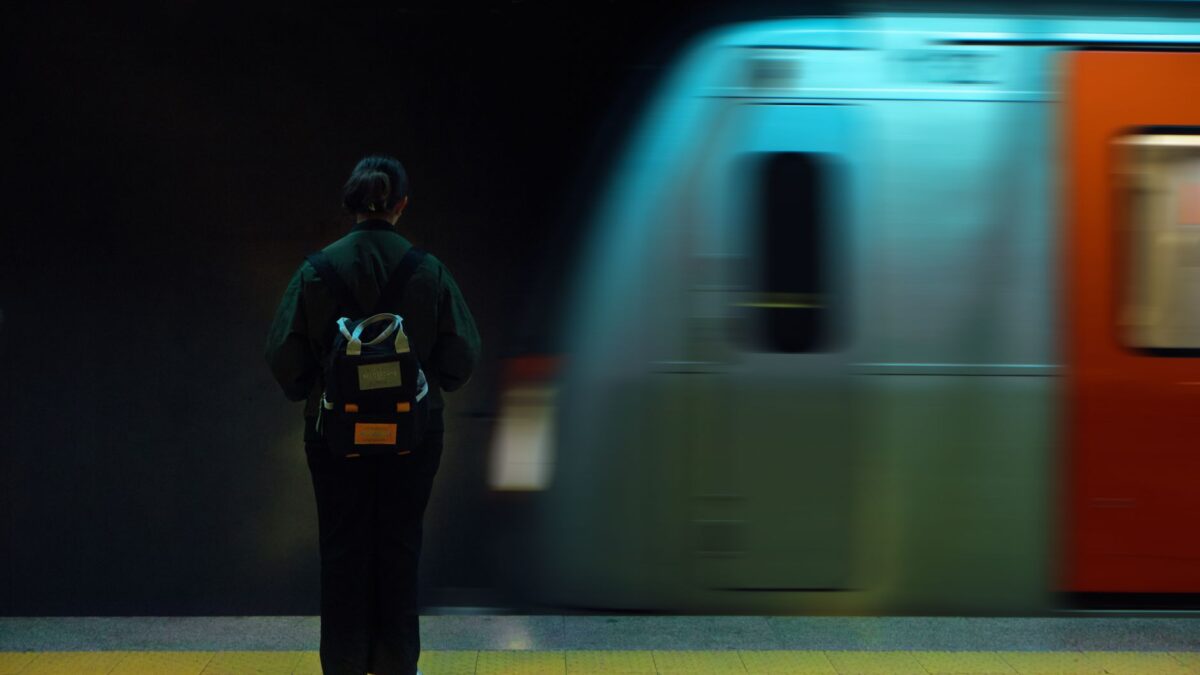
September in Ankara is a pivot point. The dusty, dry heat of summer finally breaks, giving way to crisp evenings where you can actually breathe without your shirt sticking to your back. The city refills with students returning to Middle East Technical University and civil servants heading back to the ministries. It’s the perfect time to navigate the capital, which, unlike Istanbul’s chaotic sprawl, was deliberately planned as a grid on the Anatolian steppe. Getting around here is less about fighting traffic and more about understanding the rhythm of the metro lines, the Ankaray light rail, and knowing when to just walk up the hills.
The Backbone: Metro and Ankaray
Ankara’s public transport is dominated by two main systems: the heavy metro (M1, M2, and M3 lines) and the Ankaray, a light rail that cuts through the center. If you are staying in Çankaya or Kavaklıdere, you will likely use the M2 line, which runs from Dışkapı through Kızılay Square—the functional heart of the city—and up toward Ümitköy. For those of you heading to the historic old quarter of Ulus, the M1 line drops you right near the Museum of Anatolian Civilizations and Ankara Castle.
The system is clean, air-conditioned, and generally safe. However, there are quirks. Recently, works have closed the A and C entrances at the Tarım Bakanlığı–Danıştay station, forcing riders to use alternative gates. Always check the EGO app before you head out, as closures pop up with little warning. The Ankaray line is shorter but vital for connecting the western districts to the central hub at Kızılay. It runs frequently, though it can get packed during rush hour when everyone is commuting to or from the government offices.
Fares, Cards, and Budgeting
You cannot pay with cash on the buses or trains. You need an AnkaraKart (often called the EGO card). These are reloadable smart cards available at metro station kiosks and some newsagents. While they cost a small fee to buy initially, the real value is in the fare structure. A single ride on the bus, metro, or tram costs about ₺40. Yes, that rose from ₺35 recently, reflecting the broader inflationary pressure we see everywhere—meals and rents have doubled in just a couple of years, so prices are moving fast.
If you plan to move around daily, look into the student abonman, which runs roughly ₺650 per month for unlimited rides. Even if you aren’t a student, checking if your eligibility extends to this rate is worth a call to customer service; otherwise, you pay per tap. To keep track of your balance and trips, download the EGO Cep’te app. It’s also wise to use Moovit for real-time bus tracking, especially if you’re heading out to Eymir Lake or Mogan Lake via bus 157 for a weekend picnic.
For context on spending, a meal at a local lokanta serving Ankara tava—a lamb stew with bulgur—is around ₺350–₺450. A cappuccino at a café like Verte Coffee House or OAK Coffee Co. in Balgat will set you back about ₺187. These numbers help frame the transit cost: ₺40 is a tiny fraction of a day’s budget, making public transport incredibly efficient for the visitor.
Taxis and Ride-Hailing
When the weather turns rainy or you’re carrying groceries from a market, taxis are abundant. The base flag-drop fare is roughly ₺54, with each kilometer adding about ₺35. Traffic in Ankara can be deceptively bad, particularly around Kızılay and the ring roads leading to Çankaya. In slow-moving traffic, those per-kilometer charges add up quickly. A short hop from Kızılay to Kavaklıdere might seem cheap, but if you’re stuck at a light, it’s often faster and cheaper to walk.
Ride-hailing apps like BiTaksi and Uber operate here, though their availability varies compared to Istanbul. Uber is present but sometimes limited in vehicle type. BiTaksi integrates with many local taxi fleets, offering a digital receipt and fixed pricing options that can save you from haggling. Always ensure the meter is running if you hail a street taxi, and prefer yellow cabs with official logos. Avoid the area around the intercity bus terminal (AŞTİ) at night; it’s better to arrange transport from inside the terminal rather than waiting outside.
Walking Beats All in the Historic Core
Ankara is a city of hills, but walking is the best way to understand its layers. Start in Ulus, the old quarter below Ankara Castle. Here, the Temple of Augustus sits adjacent to Hacı Bayram Mosque, bearing the Res Gestae inscription—the oldest surviving record of Augustus’s deeds. You can wander these streets for hours, mixing Roman ruins with Ottoman architecture. The Museum of Anatolian Civilizations, housed in a 15th-century bedesten, is a world-class stop here, though note it is closed on Mondays.
From Ulus, you can walk up to Ankara Castle for panoramic views over the modern city. The climb is steep, but the reward is seeing how the planned capital spreads out beneath the ancient citadel. In the evenings, as the temperature drops to that comfortable 14°C, the castle lights up beautifully. Walking also connects you to the local life: notice the produce stalls shifting toward grapes, figs, quince, and the first chestnuts of autumn. It’s a sensory experience no bus ride can replicate.
Navigating the Diplomatic and Commercial Districts
If your business takes you to Çankaya or Gaziosmanpaşa (GOP), you’ll find a different vibe. These are upscale residential and diplomatic cores, home to embassies, luxury boutiques, and the Presidential Symphony Orchestra venues. The streets are wider, cleaner, and lined with cafes. Atakule, the 125-meter observation tower in Çankaya, offers a revolving restaurant and rooftop views—a good spot to orient yourself geographically after getting lost in the metro maze.
In Kavaklıdere, around Tunalı Hilmi Caddesi and Kuğulu (Swan) Park, the energy shifts to nightlife and dining. This is the meyhane strip, where you’ll find restaurants like Trilye or Fige. Walking here at night is pleasant and safe, provided you stay on the main avenues. However, be aware of the political undercurrents. Kızılay Square remains the capital’s rally point. While protests are not daily occurrences, tear gas responses are common if demonstrations break out. It’s practical advice: avoid being caught in crowds around Kızılay if you hear sirens or see gatherings forming.
For those staying longer, remember that new residents must apply for a residence permit (ikamet) within 90 days. You’ll need a tax number from a local office and a bank account—Ziraat Bankası or İş Bankası are reliable choices with wide networks. Once settled, you’ll appreciate how easy it is to zip across the city on the metro or stroll through the autumn leaves in AOÇ, the Atatürk Forest Farm, reachable by bus 136. Ankara rewards the patient traveler who takes the time to walk its planned streets and historic alleks alike.
Frequently asked questions
How much does a single metro or bus ride cost in Ankara?
As of late 2026, a single ride using an AnkaraKart costs approximately ₺40. Prices have risen recently due to inflation, so always check the latest rates at station kiosks.
Is it safe to walk around Kızılay Square at night?
Kızılay is generally safe but is the main protest site in Ankara. Avoid the area if demonstrations occur, as tear gas responses are common. It is best to stay alert and leave if crowds gather.
What is the best way to pay for public transport in Ankara?
You must use an AnkaraKart (EGO card), a reloadable smart card bought at metro kiosks. Cash is not accepted on buses or trains. Use the EGO Cep'te app to track rides and balance.
Are taxis expensive in Ankara compared to Istanbul?
Ankara is generally cheaper than Istanbul, but traffic can make fares add up. The flag drop is about ₺54 and ₺35 per km. Ride-hailing apps like BiTaksi offer fixed-price options to manage costs.
Do I need to book tickets for Anıtkabir in advance?
No, entry to Anıtkabir, Atatürk's mausoleum, is free and does not require advance booking. However, it is closed on Mondays, so plan your visit accordingly.


