

Getting around Antananarivo: metros, taxis and passes
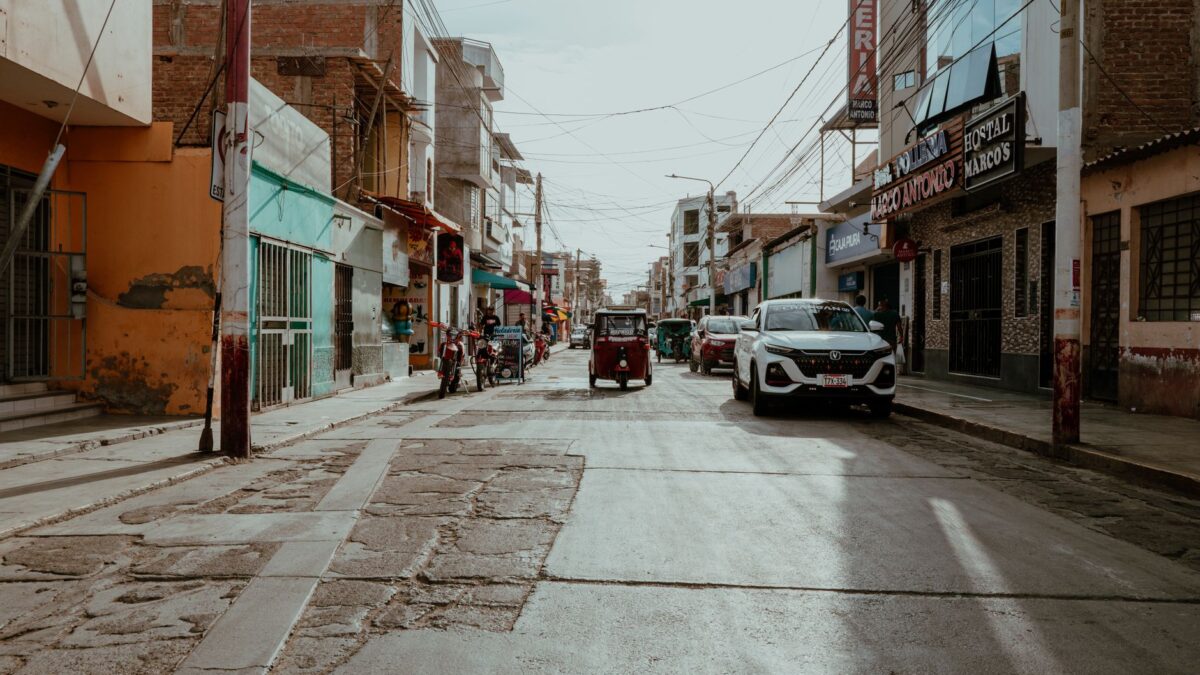
The first thing you notice about Antananarivo’s traffic is that it’s a living organism — a honking, lurching, red-dust-smeared creature that swallows the morning whole. By 7 a.m., the Avenue de l’Indépendance is a river of white-and-blue taxi-bes, their conductors hanging out the doors, yelling destinations like a chant. The air smells of diesel, grilled corn, and the faint sweetness of vanilla from a nearby stall. And then, above it all, the cables of the city’s $170 million cable-car system hang empty and silent — a ghost of a future that ran for a few weeks and then stopped, with no official word on when, or if, it might ever move again. That’s Tana for you: beautiful, chaotic, and full of promises that the red earth hasn’t yet kept.
The myth of the metro
Let’s clear the air: Antananarivo has no metro, no tram, no suburban rail to speak of. The word “metro” here refers to the city’s taxi-bes — the shared minibuses that are the true workhorses of the capital. These are not for the faint-hearted. You’ll squeeze onto a wooden bench with eight other passengers, your knees touching theirs, while the conductor hangs half out of the sliding door, whistling at potential riders. Fares are astonishingly cheap — about 1,000 to 2,000 ariary (roughly $0.30) per ride — but the routes are fixed, the announcements are in Malagasy, and the crowds are relentless. For a first-time visitor, I’d say skip the taxi-be unless you’re feeling adventurous and have a local friend to guide you.
Instead, your practical options are unmetered taxis and ride-hailing apps. Negotiate the fare before you get in — a short city hop should cost you 8,000 to 15,000 ariary (about $2.50). For airport runs, apps like Yango and Heetch are your best bet; a ride to Ivato will set you back roughly 80,000 to 130,000 ariary. And if you’re wondering about transit cards or passes — well, there are none. You pay cash, per ride, every time. It’s old-school, but it works.
The great taxi dance
Hailing a taxi in Tana is a negotiation, a ritual, a small theatre. You stick your hand out, the driver rolls down the window, and you state your destination — in French or Malagasy, ideally. The driver names a price. You counter with half. Eventually you meet somewhere in the middle. It helps to know the going rates: a trip from Analakely up to Haute-Ville should be about 8,000 to 12,000 ariary, while a longer haul across town to Ivandry might run 15,000 to 20,000. If the driver senses you’re a tourist, the price will magically double — so always negotiate with a smile and a firm “tsy misy” (no, thank you) if it’s too high.
For the tech-savvy, Yango and Heetch are game-changers. They’re widely used, the prices are transparent, and you can pay in cash or via mobile money (Orange Money, Mvola, or Airtel Money). I’d recommend downloading all three apps before you land — and setting up a mobile money wallet, because cards are rarely accepted in taxis, and the daily cap on ATM withdrawals is around 400,000 ariary (about $90), so cash runs out fast.
When walking wins
There are days when the best way to move is on foot — and in Tana, those days are more common than you’d think. The upper town, or Haute-Ville, is a maze of cobbled lanes and stairways that cars simply can’t navigate. From the Rova palace to the Andohalo Cathedral, you can spend a whole morning wandering on foot, and you’ll see more of the city’s soul than any taxi could show you. The air is crisp (late August is the tail end of the dry winter, with 10–24°C and clear skies), and the views over the red-roofed city below are breathtaking.
But beware: the stairways connecting upper and lower town — great shortcuts as they are — are also prime spots for bag-snatching. Keep your phone in your pocket, your backpack zipped, and your wits about you. And once the sun goes down, walking is a bad idea anywhere. That’s when the taxis (and only taxis) should carry you door to door. Tana has a real reputation for petty theft after dark, and the bars closing at 21:00 (per the prefecture’s recent order) means the streets are quieter than they used to be — which is safer, but also eerier.
For a pleasant stroll with a purpose, head to Lac Anosy in the late afternoon. The heart-shaped lake ringed by jacarandas (purple in October, but still pretty now) is a favorite spot for joggers and families. And if you need a coffee break, duck into Madagascar Coffee Roasters or Dune Coffee Shop for a shot of the local brew — a tiny luxury that’s still cheaper than a taxi ride.
Fares, passes, and the daily arithmetic
Let’s talk numbers. A day of getting around Tana — say two taxi rides and a couple of taxi-be jaunts — will cost you maybe 25,000 to 35,000 ariary (about $6–8). That’s less than a mid-range restaurant meal (which runs 25,000–45,000 ariary for a main course). Your modest daily budget of 60,000–100,000 ariary per person is enough for transport, street food, and even a museum entry (5,000–10,000 ariary for the Rova, for example).
But here’s the catch: the ariary is depreciating, and while local stuff is dirt cheap, anything imported — fuel, car parts, that bottle of imported wine — is painfully expensive. The taxi drivers feel it too; they’ll often ask for a little extra to cover the fuel top-up. Pay it if you have it; it’s still a bargain.
There are no weekly passes, no reloadable cards, no tourist transit deals. You simply pay as you go, in cash, and it’s fine. The lack of a system is, in its own way, a system — and after a few days, you’ll get the hang of it.
The elephant in the room: the cable car
You can’t miss the cable car — it’s suspended over the city like a question mark. The $170 million project opened with fanfare, ran for a few weeks, then stopped. Cables hang empty above Analakely, and the transitional government hasn’t said when, or if, it will restart. For now, treat it as a curious landmark, not a transit option. If you want to see it up close, take a taxi to Soavinandriana and look down at the stations.
What’s actually moving the city right now is the road construction for the Anosizato flyover — the first in Madagascar’s history. National Highways 1 and 58A are being widened to four lanes, which means detours, dust, and honest-to-goodness traffic jams around the worksites. Avoid the area during peak hours if you can. And note that JIRAMA power cuts are still a fact of daily life — which means traffic lights sometimes go dark. Treat every intersection as an unwritten rule of mutual aggression and courtesy; somehow it works.
Last word: walk, ride, repeat
Plan your days around the rhythm of the city. Start early, walk the upper town when the light is soft, ride down to Analakely market for a romazava at Chez Aline (12,000–15,000 ariary for a bowl with rice), and take a taxi back up before sunset. If you’re heading to Lemurs’ Park or Ambohimanga, hire a driver for the half-day — negotiate a flat rate of around 80,000–100,000 ariary including waiting time.
Tana rewards patience and local knowledge. The cable car may be idle, the flyover may be incomplete, and the power may flicker — but the city moves, always. You just have to know the dance.
Frequently asked questions
Is there a metro or train system in Antananarivo?
No, there is no metro or train. Public transit relies on shared minibuses called taxi-bes (fixed routes, 1,000–2,000 Ar) and unmetered taxis (negotiated fares, 8,000–15,000 Ar per short ride). A cable car exists but is not operating.
How much does a taxi cost in Antananarivo?
A short ride within the city is typically 8,000–15,000 MGA (roughly $2.50). Always negotiate before boarding. For airport transfers, app-based rides via Yango or Heetch cost around 80,000–130,000 MGA.
Are there travel passes or transit cards for Antananarivo's public transport?
No, there are no transit cards or passes. You pay cash per ride, whether on a taxi-be or in a taxi. Consider setting up mobile money (Orange Money, Mvola, or Airtel Money) for ease, as cards are rarely accepted.
Is it safe to walk around Antananarivo at night?
No, avoid walking after dark anywhere in the city. Petty theft and muggings are common. Always use a taxi door-to-door at night, and be cautious on stairways between the upper and lower town during the day.
What is the cheapest way for a tourist to get around Antananarivo?
Walking is free and best in the upper town (Haute-Ville), but you should stick to daylight hours. For longer distances, taxi-bes are cheapest (1,000–2,000 Ar), but shared taxis or app rides are safer and more comfortable for newcomers.


