

Getting around Belgrade: metros, taxis and passes
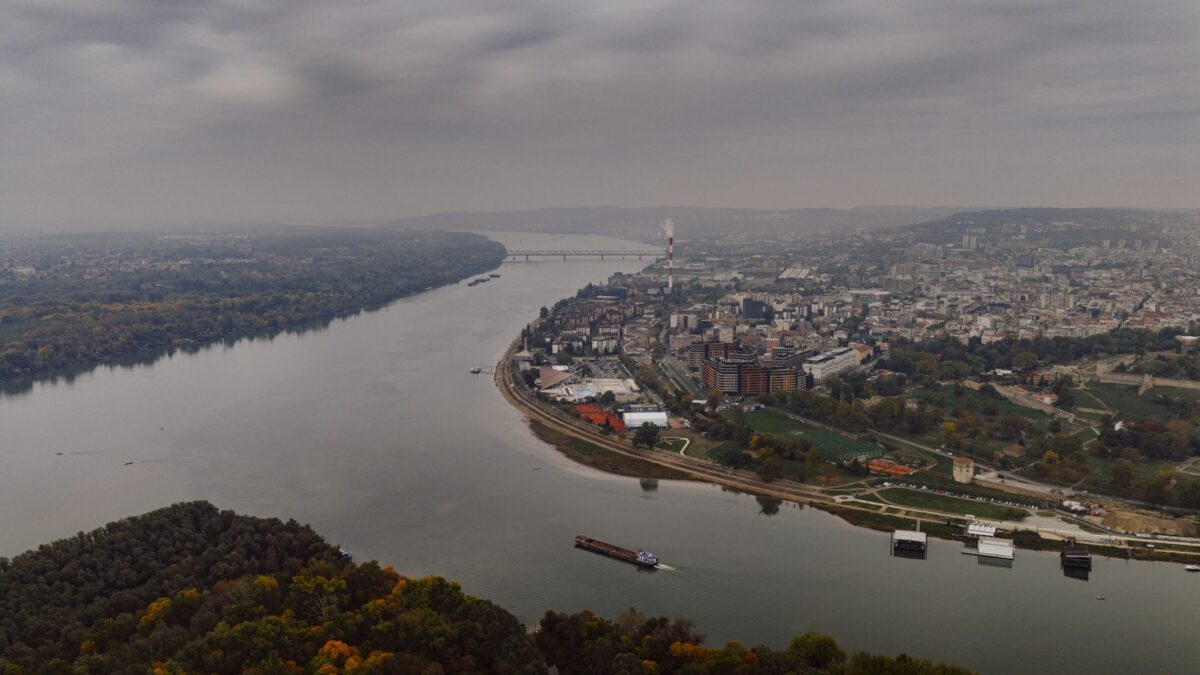
It is early October in Belgrade, and the air has that specific, crisp bite that signals the city is settling into its autumn rhythm. The drizzle from last night has left the cobblestones of Skadarlija glistening, and the scent of roasted chestnuts drifts from a corner bakery near Kalemegdan. You are standing at the intersection of history and modernity, ready to navigate the capital. For years, getting around Serbia meant fumbling for dinars or hailing a cab with anxiety. Today, it is simpler than ever, though it requires a shift in mindset.
The Great Free Ride: Trams, Buses, and Trolleybuses
The most shocking news for visitors arriving after January 1, 2025, is that you do not need to buy a ticket. City buses, trams, and trolleybuses are completely free for everyone—residents and tourists alike. This radical move by the local government has transformed public transit from a logistical headache into a stress-free experience. You simply board, find a seat, and enjoy the view. If you are heading toward the historic heart of Stari Grad, hopping on tram line 3 or 7 will drop you right near Republic Square and the National Museum without costing a single Serbian dinar (RSD).
This change means the old BusPlus card system is largely obsolete for payment purposes. However, locals still use the ‘Beograd Plus’ app, primarily to track real-time vehicle positions and route notices rather than to validate tickets. It is worth downloading if you want to know exactly when your tram is arriving in the grey morning light. While the core network is free, there are exceptions. The A1 airport minibus and E-numbered express minibuses still charge fares. Regular airport buses like lines 72, 600, and 607 remain free, making them a viable option if you are budgeting your initial transport costs.
Navigating the River Divide: Zemun and Beyond
Belgrade is split by two rivers—the Sava and the Danube—and moving between these districts requires understanding the geography. If you plan to visit Zemun, the former Austro-Hungarian town with its charming red rooftops and the Gardoš Tower, you will likely cross one of the many bridges. The tram lines extend into Zemun, offering a scenic ride along the Danube. It is a calm, slower pace compared to the bustling energy of Novi Beograd on the other side.
For those exploring the creative hub of Savamala or the brutalist business district of Novi Beograd, the bus network is extensive. You can reach the wide boulevards near the Belgrade Arena or the Ušće mall easily. In fact, during recent events like the Wine Vision fair at the Belgrade Fair, the increased foot traffic made the free tram lines particularly useful for avoiding congestion. Just remember that while the rides are free, the infrastructure can be busy. Keep an eye on your belongings, as pickpocketing remains the primary risk in crowded vehicles.
Taxis and Ride-Hailing: Avoiding the Meter Trap
When walking becomes too much—perhaps when heading to the upscale Vračar plateau to see the massive Church of Saint Sava, or late at night after a dinner of ćevapi at a kafana in Dorćol—you will need a car. Do not hail taxis randomly off the street, especially near the airport or major tourist spots where unlicensed drivers may try to overcharge. Instead, use the CarGo app. It is the standard for ride-hailing in Serbia, allowing you to book a licensed vehicle with transparent pricing.
If you must take a regular taxi, ensure the driver turns on the meter. The base fare is roughly 200 RSD, plus about 100 RSD per kilometer. A short ride across the city might cost you between 400 and 800 RSD (approximately $6). While this is cheap by Western European standards, it is still better to pay the meter rate than negotiate a flat fee with someone who hasn’t verified their price. For airport transfers, buying a taxi voucher inside the terminal is the safest bet, ensuring you won’t be stranded or swindled upon arrival.
When Walking Beats All: The Pedestrian Heartbeat
Despite the free transit and reliable apps, the best way to experience Belgrade is on foot. The city’s core is remarkably walkable. Start at Republic Square and stroll down Knez Mihailova Street, the main pedestrian artery lined with 1870s mansions and cafes. You can walk all the way to the entrance of Kalemegdan Fortress, taking in the views of the confluence where the Sava meets the Danube. This area, known as Stari Grad, is the tourist heartbeat, but it is also filled with locals going about their day.
From the fortress, you can wander into the bohemian quarter of Skadarlija, with its cobbled streets and live tamburica music spilling out of traditional taverns. Or head west to Bajrakli Mosque, the only remaining Ottoman-era mosque in the city, tucked away in the quiet Dorćol neighborhood. Even the newer developments, like the Belgrade Waterfront project in Savamala, are designed to be explored on foot, blending post-industrial architecture with modern galleries and craft bars. Walking allows you to stumble upon hidden gems, like a small pekara selling fresh burek for just 250–350 RSD, something you would miss if you were confined to a vehicle.
Practical Tips for Smooth Transit
Before you dive into the city’s transport web, keep a few practicalities in mind. First, always carry your passport or a copy, as police checks can occur. If you are staying longer than 90 days, you will need to register your address with the local police to receive the ‘White Card’ (beli karton), which proves your legal stay. For daily needs, getting a local SIM from carriers like mts, Yettel, or A1 Serbia is easy at kiosks or stores, and helps you navigate using maps and apps.
Safety is generally high, but be aware of political demonstrations, which are frequent and can turn violent. Avoid areas around Red Star or Partizan football matches if you are unfamiliar with the crowds. In case of emergency, dial 192 for police, 194 for ambulance, or 193 for fire. And if you find yourself hungry after a long day of walking, look for a student canteen (menza) for a hot meal around 200–300 RSD, or grab a Pljeskavica for about 600–900 RSD. Belgrade is affordable, accessible, and waiting for you to explore it—one free tram ride at a time.
Frequently asked questions
Is public transportation free in Belgrade?
Yes, since January 1, 2025, city buses, trams, and trolleybuses are free for everyone. Only specific services like the A1 airport minibus and E-numbered express minibuses still require payment.
How much does a taxi ride cost in Belgrade?
A typical short city ride costs between 400 and 800 RSD (about $6). Always use the CarGo app or ensure the driver uses the meter to avoid overcharging.
Do I need a transit pass for Belgrade?
No, because public transit is free. You can use the Beograd Plus app to check schedules and real-time arrivals, but no physical or digital ticket is needed for standard city transport.
What is the safest way to get from the airport to the city center?
You can take regular airport buses like lines 72, 600, or 607, which are free. Alternatively, buy a taxi voucher inside the terminal to avoid scams, or use the CarGo app.


