

Getting around Bern: metros, taxis and passes
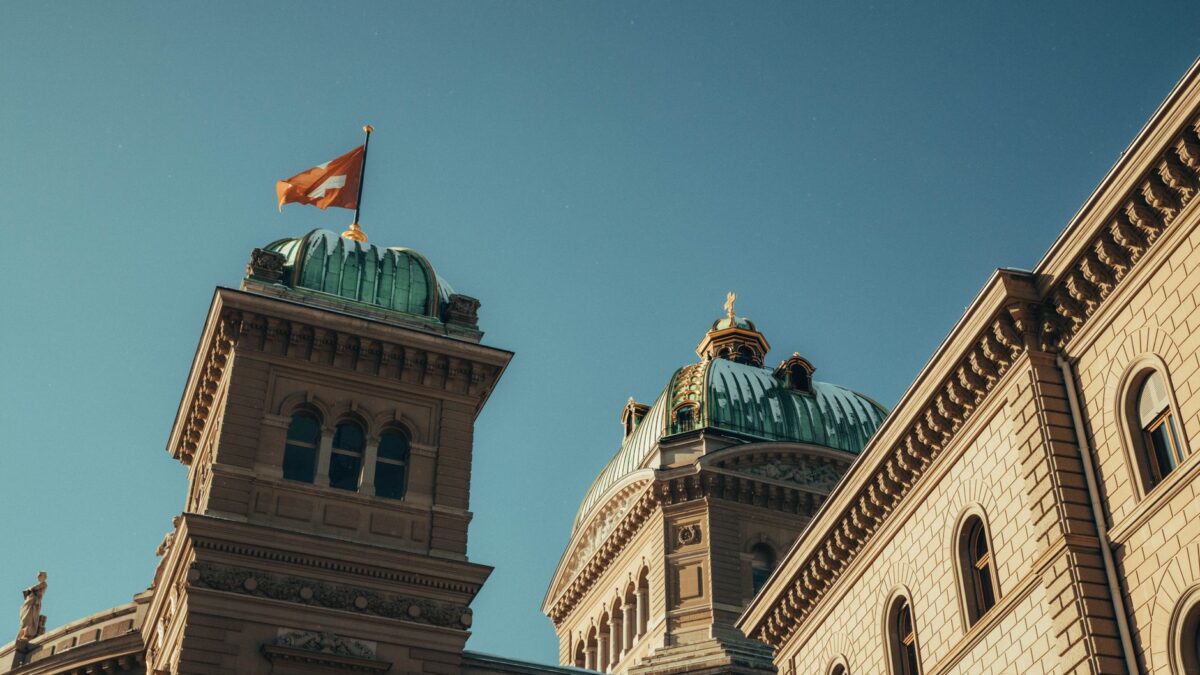
It is early September in Bern, and the air still holds that bittersweet warmth of a Swiss summer refusing to let go. The Aare river runs its characteristic turquoise hue, inviting you to drop your legs in for an Aareschwimmen float, while the pop-up bars along the banks are just beginning to pack away their umbrellas. If you are standing on Bundesplatz watching the light hit the sandstone arcades of the Altstadt, you might feel tempted to wander aimlessly into those six kilometers of covered walkways, known locally as the Lauben. But if you need to move—from the UNESCO-listed medieval core down to the modern business district of Wankdorf or across the river to the museum quarter—you quickly realize that Bern’s charm lies in its walkability, but its scale demands a strategy.
The Heart of Bern: Why Walking Wins
Before you even think about buying a ticket, understand this: Bern is one of the most walkable capitals in Europe. The Old Town (Altstadt) is car-free, a maze of sandstone buildings, fountains, and the iconic Zytglogge clock tower. Navigating it by foot is not just practical; it is essential. You cannot rush through the Lauben; you have to lean against the stone pillars, watch the locals, and breathe in the history.
However, Bern sprawls beyond that peninsula. To the north lies Länggasse, the bohemian university district with its organic markets and student cafes, and Breitenrain, where family-friendly bakeries and the famous Barbière microbrewery await. To the south, across the Aare, is Kirchenfeld, home to the grand villas, the Dählhölzli zoo, and the expensive embassies. These areas are connected by bridges and trams, but they are close enough that many residents choose to cycle or stroll between them when the weather permits—especially during events like the recent slowUp Oberaargau–Emmental, which closed roads for cyclists and skaters right at our doorstep.
If you are staying near the Bahnhofplatz or the Marzili lido, you will find that walking often beats public transit for short hops. The city is compact, safe, and beautifully lit. Just be mindful of the seasons; while September averages a pleasant 10–24°C, the overcast skies can roll in quickly, so keep a light layer handy.
Navigating the Network: Trams, Buses, and Fares
When walking isn’t an option—or when you want to head out toward the Zentrum Paul Klee in Muri bei Bern or up to the Gurten mountain—Bernmobil is your primary operator. They run five tram lines and numerous buses that crisscross the city. Unlike some European cities with complex zone maps, Bern operates within the Libero-Tarifverbund. For most visitors and locals alike, you are dealing with zones 100 and 101, which cover the city center.
Fares are relatively affordable for Switzerland. A single local transit fare for one or two zones runs roughly between CHF 2.60 and CHF 4.40. You can buy these from machines at major stops or via the SBB Mobile app. However, if you plan to use the system frequently, look into the monthly pass. While an annual Libero city pass hovers around CHF 780, a monthly pass typically costs between CHF 76 and CHF 92. This is a significant saving if you are commuting daily, whether to work in the federal administration downtown or to study at the University of Bern.
Note that national travel is handled by SBB (Swiss Federal Railways). If you are planning day trips to the Bernese Oberland or Interlaken, your city pass won’t take you there. For unlimited travel across the entire Swiss network, the GA Travelcard is the gold standard, though it comes with a hefty upfront price tag suited more for frequent travelers than weekend tourists.
Taxis and Ride-Hailing: When You Need a Lift
Bern is not a taxi-heavy city like London or New York. You will spot black cabs near the main station and major hotels, but they are primarily used for airport transfers or late-night returns. Expect a base fare for a short ride to start around CHF 6–7. Given the efficiency of the tram network, taxis are rarely necessary unless you are traveling with heavy luggage or heading to a remote location like the edge of the Emmental valley.
Ride-hailing apps exist but are less prevalent here than in larger metropolises. Most locals rely on the reliability of public transport. If you do need a cab, ensure you agree on the price or insist on the meter. Safety is high in Bern, so you generally do not need to worry about scams, but standard urban caution always applies.
Living Like a Local: Passes, Payments, and Practicalities
To truly integrate into Bern’s rhythm, you need to understand how money and movement intersect. The currency is the Swiss franc (CHF), and while inflation is low at around 0.2%, prices reflect the high cost of living. A coffee in one of Länggasse’s hip cafes like Lieblings or Bruin Café & Co will set you back about CHF 5.30. A meal at an inexpensive local spot, such as a daily lunch menu at Altes Tramdepot Brauerei Restaurant, might cost around CHF 20–24, which is remarkably reasonable given that Bern ranks among the world’s most affordable cities for eating out relative to local wages.
If you are moving to Bern, registration is key. You must register (Anmeldung) at your local Kreisbüro within 14 days of arrival. From there, you’ll navigate the Migration Office for your permit. Banking is straightforward; most people use UBS, PostFinance, or the local Berner Kantonalbank (BEKB). Digital options like Yuh or Neon are popular for their ease of opening, requiring only a passport and residence permit.
For transit, consider the Libero pass seriously. It covers not just Bernmobil but also regional trains and buses, making it versatile for exploring the wider Canton. During holidays like the upcoming Federal Day of Thanksgiving (Eidgenössischer Dank-, Buss- und Bettag), services may run on holiday schedules, so always check the SBB app before venturing out.
Seasonal Moves and Cultural Rhythms
September in Bern is a transitional month. The Musikfestival Bern has recently filled venues with contemporary works, and the Sustainability Days saw Bahnhofplatz closed to traffic for street food and music. As autumn approaches, keep an eye on the traditional Sichlete harvest procession, where flower-crowned alpine cattle parade through Bundesplatz. These events often disrupt normal traffic patterns, sometimes closing streets entirely.
For the best experience, align your movements with the city’s pulse. In the morning, the tram is quiet; by noon, the arcades are bustling with shoppers and tourists visiting the Einstein-Haus or the BearPark. Evening brings a different energy, with locals gathering in Breitenrain for beer or in the Rosengarten for sunset views over the Aare loop.
Ultimately, getting around Bern is less about conquering a grid and more about flowing with it. Walk the Lauben when you can, trust the trams when you must, and never underestimate the joy of floating down the Aare after a long day of exploring. The city rewards those who take their time.
Frequently asked questions
How much does a single tram ticket cost in Bern?
A single local transit fare in Bern, covering one or two zones within the Libero-Tarifverbund, costs approximately CHF 2.60 to CHF 4.40.
Is it better to walk or take the tram in Bern's Old Town?
Walking is highly recommended for the Altstadt (Old Town), as it is a car-free UNESCO World Heritage site with narrow streets and arcades that are best experienced on foot.
What is the monthly cost for a public transport pass in Bern?
A monthly transit pass (Libero) for the city area typically costs between CHF 76 and CHF 92, offering unlimited travel on Bernmobil trams and buses.
Are taxis expensive in Bern compared to other Swiss cities?
Taxis in Bern are moderately priced, with a base fare for short rides starting around CHF 6–7. However, due to the efficient tram network, they are less commonly used by locals for daily commutes.
Does the city transport pass cover trips to Zurich Airport?
No, the city Libero pass only covers zones 100/101. Trips to Zurich Airport require an SBB ticket, as they fall outside the local Bernmobil network.
Things to do in Switzerland
 Best of Bernese Oberlands from Luzern
 Luzern / Lucerne Professional Paragliding Tandem Flights
 Likely to sell out
Alsace wine tour and medieval villages. Small group guided tour
Likely to sell out
Alsace wine tour and medieval villages. Small group guided tour
 Vine Stories: Lavaux & Lutry wine walk
 3 Hour Unique Wine Tour - Half Day in Swiss Alps
 Lake Luzern pick and mix Tour - Burgenstock, Rigi Seebodenalp and Luzern