

Getting around Bogotá: metros, taxis and passes
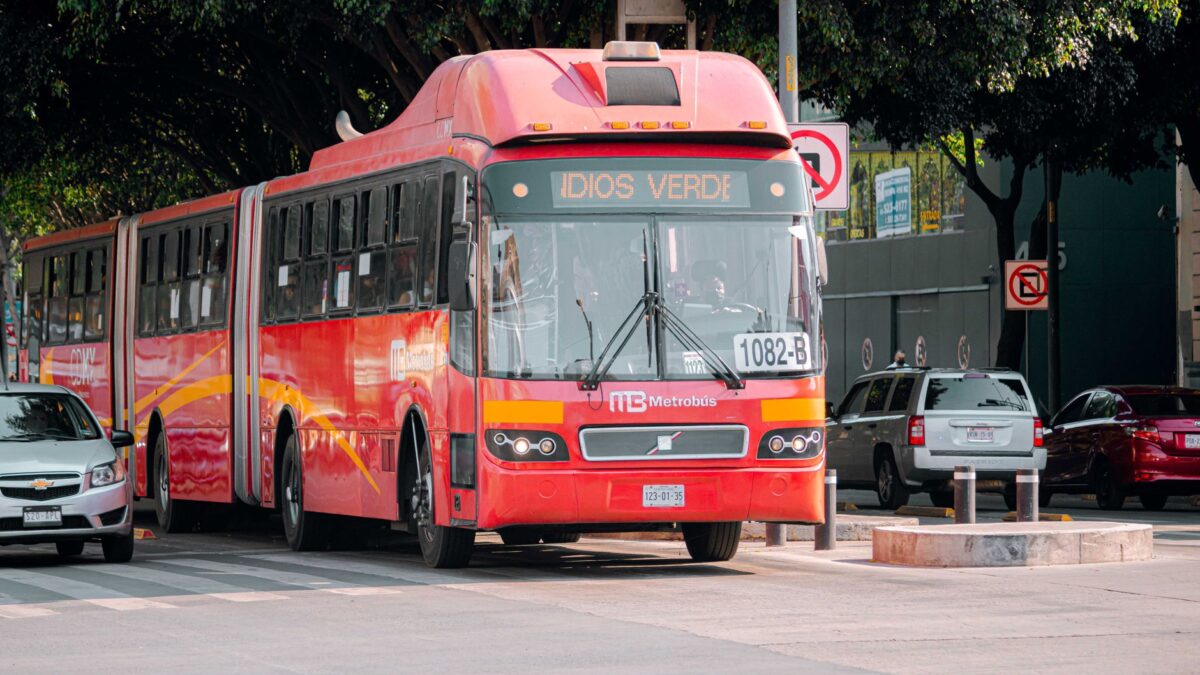
It is 6:30 a.m. on a Tuesday in early September, and the air outside your window in La Candelaria is thick with that familiar Bogotá dampness—a light drizzle that seems to seep right into your bones. The temperature hovers around 12°C, cool enough to warrant a jacket but not cold enough to justify staying in bed. Outside, the city is already waking up. You can hear the distant hum of buses merging onto Avenida Caracas and the occasional shout of a street vendor. Navigating this sprawling capital, home to nearly 7.7 million people, feels less like commuting and more like learning a new language. But once you crack the code, moving through Bogotá becomes an adventure in itself. Here is how we actually get around.
The Pulse of the City: TransMilenio and SITP
If you want to move like a local, you need to master the TransMilenio system. It is the backbone of our transit network, a bus rapid transit (BRT) system that snakes through the main arteries of the city. For years, it was just about speed; now, it is also about survival during peak hours. You will need a TuLlave card, which costs around 8,000 COP to buy initially. As of 2026, a single fare runs approximately 2,950 COP (roughly $0.70 USD). This isn’t cheap for us locally, given inflation, but it remains far more affordable than any other motorized option.
The real magic happens when you transfer. Your TuLlave card allows for free transfers between TransMilenio and the zonal SITP buses within a 125-minute window. This means you can hop from a trunk line into a neighborhood feeder bus without paying twice. However, you must be vigilant. Boarding at stations like Restrepo or Calle 22 can be chaotic. Right now, if you are trying to use the north-south platform at Restrepo, be aware that works are ongoing through early September, forcing routes like H13 and H17 to detour. Similarly, construction for the future Metro Línea 1 has created nightly closures at the temporary Calle 22 station from 11 pm to 4:30 am.
If you are a heavy user, look into the TransMiPass. For about 160,000 COP, you get 65 rides for the month. It is a lifesaver if you commute daily. Always check the MoviXila app before you leave; it tells you exactly where your bus is and alerts you to sudden route changes due to roadworks or protests, which do happen here.
When Walking Beats the Bus
Bogotá is often called a city of drivers, but its best secrets are found on foot. In fact, walking is often faster than waiting for a bus during rush hour. Start in La Candelaria, the historic colonial core founded in 1538. The streets are narrow and pedestrian-friendly, leading you straight to the Plaza de Bolívar. From there, you can walk to the Museo del Oro to see the world’s largest collection of pre-Hispanic gold, or cross the square to the Museo Botero, which offers free admission and houses Fernando Botero’s signature plump figures alongside donations from Picasso and Monet.
Head north and you enter Chapinero, the heart of Bogotá’s food and nightlife scene. Here, the grid opens up. You can stroll down Calle 60 to find craft coffee shops like Bogota Coffee Roasters or grab a drink at Theatron club. If you crave nature, take the short bus ride to Teusaquillo to visit the Jardín Botánico José Celestino Mutis. It is a serene escape from the concrete, featuring a stunning cloud-forest greenhouse. Afterward, walk over to the Paloquemao Market. It is loud, colorful, and smells of fresh lulo fruit and spicy ajiaco. A bowl of soup here costs between 25,000 and 40,000 COP ($8), a perfect lunch after exploring the stalls.
For a different kind of view, hike the Quebrada La Vieja trail in Chapinero Alto. It requires a reservation, but the climb through the Eastern Hills rewards you with panoramic views of the entire valley. Just remember: safety varies by district. Stick to well-lit, populated areas after dark. The city is generally safer north of Calle 26, while southern districts like Ciudad Bolívar require extra caution. Pickpocketing is the most common crime, so keep your phone in a front pocket, especially on crowded buses.
Taxis and Ride-Hailing: The Safe Bet
When the rain turns from a drizzle to a steady pour, or when you are tired after a night out in Zona Rosa, taxis are your best friend. Do not hail random cars off the street unless they have a yellow taxi sign on top. Instead, use apps like Didi, Uber, or InDriver. They are safe, tracked, and cashless. A ride from El Dorado Airport to the city center should cost between 50,000 and 70,000 COP ($15). If you call a radio taxi, ensure the driver gives you a printed ticket with their ID number before you get in.
Avoid sitting in the back seat alone at night. Sit in the front next to the driver—it is more conversational and often safer. Also, be wary of unmarked vehicles offering rides near tourist hubs. We had a recent tragedy in Kennedy where a SITP bus hit a bicitaxi, highlighting the dangers of mixed traffic. While taxis are safer, always buckle up. The police frequently set up checkpoints, and fines for not wearing seatbelts are steep.
Navigating the Gridlock and Future Changes
Bogotá is changing rapidly. Mayor Carlos Fernando Galán’s administration is pushing for infrastructure upgrades, but progress comes with pain. Currently, Carrera Séptima between calles 102 and 116 is undergoing massive works for a new TransMilenio corridor. Expect significant gridlock in northern Bogotá for the next year. If you live or work in Usaquén, plan your trips accordingly.
Look ahead to the future, though: Metro Línea 1 is under construction. When it opens, it will revolutionize travel from the south to the north, bypassing the surface traffic entirely. Until then, patience is your greatest asset. Use the time on the bus to read, listen to Colombian podcast news, or simply observe the city. You might spot a spectacled bear in the distance if you look toward the páramo reserves, or watch the condors circle the Eastern Hills.
Finally, don’t forget the small pleasures. Stop at a corner stand for an oblea—a giant wafer with arequipe—for just 2,000 COP ($0.50). Or grab a street empanada with aji sauce for 3,000–4,000 COP. These moments make the commute feel less like a chore and more like part of the culture. Bogotá is not easy, but it is alive. And once you learn its rhythms, you will never want to leave.
Frequently asked questions
How much does a TransMilenio ride cost in 2026?
A single fare using a TuLlave card is approximately 2,950 COP (around $0.70 USD). You get free transfers to SITP buses within 125 minutes.
Is it safe to walk in La Candelaria at night?
It is best to avoid empty streets in La Candelaria after dark. Stick to main avenues with people and restaurants, and keep valuables hidden to prevent pickpocketing.
What is the best way to pay for public transport?
Buy a TuLlave card at any authorized retailer or station kiosk. Load it with cash and tap it to enter TransMilenio and SITP buses.
How much is a taxi from El Dorado Airport to downtown?
Expect to pay between 50,000 and 70,000 COP ($15) via app or radio taxi. Avoid unmarked cars soliciting rides inside the terminal.
Are there any current road closures affecting travelers?
Yes, check the MoviXila app. Works on Carrera Séptima cause north-bound gridlock, and Restrepo station platforms are temporarily closed for repairs through early September.


