

Getting around Canberra: metros, taxis and passes
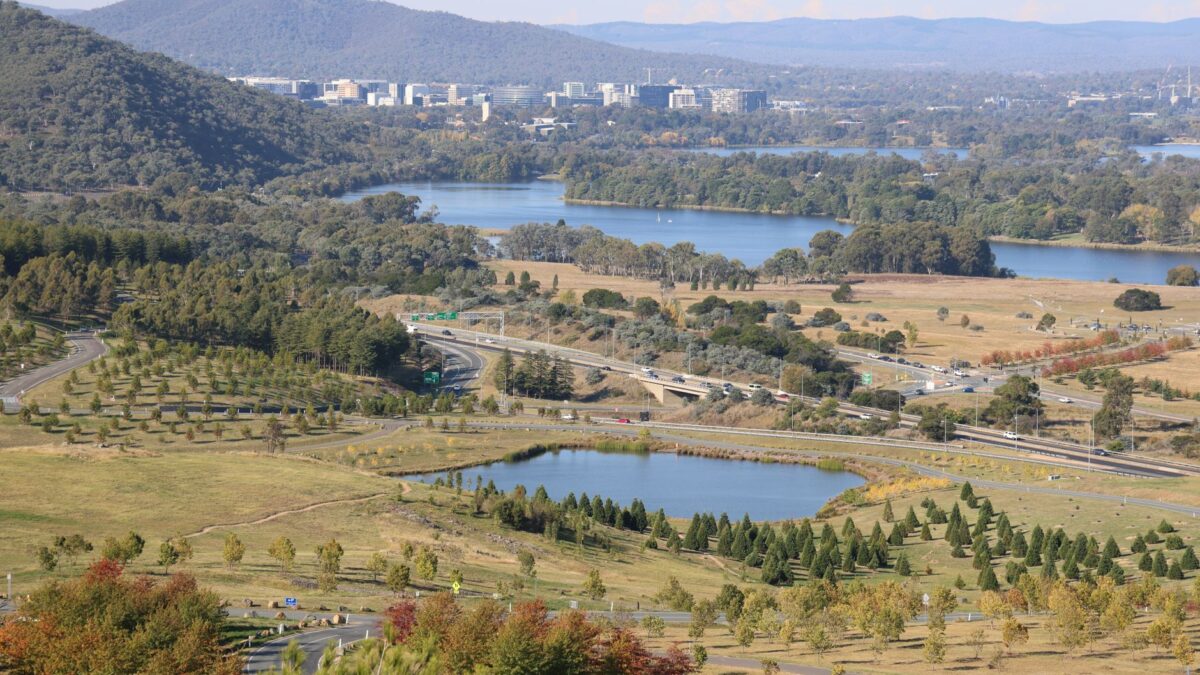
The air in Canberra this early spring is crisp, hovering around 15°C as the city’s bare trees begin to flush with the first hints of blossom. It is a ‘Bush Capital’ in every sense—green, spacious, and deliberately planned—but that very geometry means getting from point A to point B requires a slightly different mindset than you might use in Sydney or Melbourne. You are navigating a city built for cars but increasingly designed for people, where the rhythm of life is dictated by light rail stops, bus routes, and the long, scenic stretches along Lake Burley Griffin.
Mastering the MyWay+ System
Gone are the days of buying paper tickets at the kiosk. If you are moving around Civic, Braddon, or heading north to Gungahlin, your best friend is the MyWay+ system. Launched fully in January 2025, it is an account-based ticketing platform that covers both Transport Canberra buses and the light rail. The beauty of it is simplicity: you tap on when you board and tap off when you alight using a physical MyWay+ card (available for roughly $5), the MyWay+ app on your phone, or directly with a contactless credit or debit card.
Fares were adjusted for inflation in January 2026, so expect to pay around A$3.40 for a single peak-hour trip or A$2.70 off-peak. These fares include free transfers within 90 minutes, which is crucial because Canberra’s bus network often requires a change to reach outer suburbs like Woden or Tuggeranong. For frequent travelers, there is no traditional monthly pass; instead, there is a weekday daily fare cap of approximately A$9.89. Once you hit that limit for the day, the rest of your travel is free. Keep an eye out for ‘Fare-Free Fridays,’ a trial initiative that occasionally waives costs entirely, making it the perfect time to explore without worrying about the meter.
The Light Rail: Your Spine Through the City
If you want to understand Canberra’s layout, ride the light rail. Line R1 runs from the northern growth district of Gungahlin down to the heart of Civic. It is not just transport; it is a connector. You can hop off at the Civic terminus to browse the Canberra Centre mall, walk over to Lonsdale Street in Braddon for dinner, or continue toward the lake. Stage 2A extensions are bringing the line closer to the National Triangle and the lake foreshore, integrating the cultural precincts more tightly with residential hubs.
For tourists, the light rail is the most efficient way to avoid parking headaches. Parking in Civic during events like the upcoming Moon Festival or Floriade can be a nightmare, but the light rail drops you right at the edge of the action. Just remember that while the light rail is modern and clean, it does not cover every corner. To get to places like the National Arboretum or the Australian War Memorial, you will likely need to transfer to a bus or grab a ride-share.
Taxis, Ride-Hailing, and the Cost of Convenience
Sometimes you just want to go straight to your door, especially if you are carrying shopping from Dickson’s Woolley Street or heading to Kingston Foreshore for lunch. Canberra has a robust taxi and ride-hailing market. A local taxi typically charges a flag fall of around A$5 for short trips. While convenient, costs add up quickly. A ride from Civic to the National Museum of Australia might set you back significantly more than a bus fare, so weigh the convenience against the budget.
Uber and DiDi operate freely here, often competing closely with taxis on price during off-peak hours. However, be aware that surge pricing can apply during major events. With the King’s Birthday holiday approaching and the city gearing up for the Art Biennial, demand will spike. If you are staying in mid-range hotels like the Mercure Canberra or Deco Hotel Canberra, check if they offer shuttle services before defaulting to a cab.
When Walking Beats All Other Options
Here is the secret locals know: Canberra is one of the most walkable cities in Australia, provided you stay within its central nodes. The distance between the National Gallery of Australia, the National Portrait Gallery, and the National Library is negligible if you stroll along the lakefront path. In fact, walking is often faster than driving because you bypass traffic lights and parking searches entirely.
Start your morning at Questacon, then walk south across the bridge to the Old Parliament House. Continue along the foreshore to the National Museum. This entire circuit is flat, paved, and offers some of the best views of the city’s geometric design. Similarly, the strip between Braddon and Kingston is highly walkable. You can easily stroll from the cafes of Lonsdale Street down to the Old Bus Depot Markets on weekends, enjoying the spring weather as crews plant the million bulbs for Floriade.
However, do not underestimate the scale. Trying to walk from Belconnen to Gungahlin is a fool’s errand. Those districts are connected by the light rail and arterial roads, not footpaths. Stick to the inner city loop, and you will find that walking allows you to discover hidden gems like the craft markets at Haig Park or the quiet corners of the Australian National Botanic Gardens at the base of Black Mountain.
Practical Tips for the Smart Traveler
Canberra is safe, but it is also a city of seasons. Spring mornings can be frosty, so layer up. The sun hits hard once it clears the mountains, so sunscreen is essential even when the temperature reads only 10°C. If you are renting a car, note that the ACT has strict camera enforcement; recent legal challenges have highlighted issues with seatbelt cameras, but fines are still issued, so buckle up.
For dining, plan your transit around your meals. Braddon is packed on Friday nights, so take the light rail or walk if you are staying nearby. If you are heading to the National Zoo & Aquarium or the Telstra Tower, consider a taxi or tour bus, as public transport schedules may not align perfectly with zoo opening times. And if you are lucky enough to visit during the Moon Festival, arrive early. The lanterns filling Petrie Plaza and City Walk are spectacular, but the crowds will make walking and transit congested.
Ultimately, Canberra rewards patience. It is a city that unfolds slowly. Use the MyWay+ card for flexibility, walk whenever the weather permits to soak in the greenery, and reserve taxis for late nights or heavy luggage. With a bit of planning, you will navigate the capital with the ease of a local, finding that the journey itself is part of the experience.
Frequently asked questions
How much does a single bus or light rail ticket cost in Canberra?
As of January 2026, a single fare is approximately A$3.40 during peak hours and A$2.70 off-peak. Fares include free transfers within 90 minutes.
Is there a monthly travel pass for public transport in Canberra?
No, Canberra does not offer a traditional monthly pass. Instead, there is a weekday daily fare cap of around A$9.89, after which travel is free for the rest of the day.
What payment methods work on the MyWay+ system?
You can use a physical MyWay+ card, the MyWay+ mobile app, or simply tap on and off with a contactless credit or debit card.
How far does the light rail Line R1 currently run?
Line R1 currently runs from Gungahlin in the north to Civic in the city center. Stage 2A extensions are underway to bring the line closer to the lake and National Triangle.
Is it easy to walk around Canberra's main attractions?
Yes, walking is highly recommended for the central area. Key sites like the National Gallery, Parliament House, and the lake foreshore are connected by flat, scenic paths ideal for pedestrians.
Things to do in Australia
 Kayak to Goat Island in Sydney Harbour with Local
 Flying Fox Experience, Thousands of Australia's Largest Bat
 Likely to sell out
Full Day Kayaking Tour in Coorong National Park
Likely to sell out
Full Day Kayaking Tour in Coorong National Park
 Margaret River Coastal and Wildlife Eco Trip from Busselton or Dunsborough
 Winemaking Class at McCaffrey's Estate
 Byron Bay Brewery & Distillery Tour: Tastings, Lunch & transfers