

Getting around Colombo: metros, taxis and passes
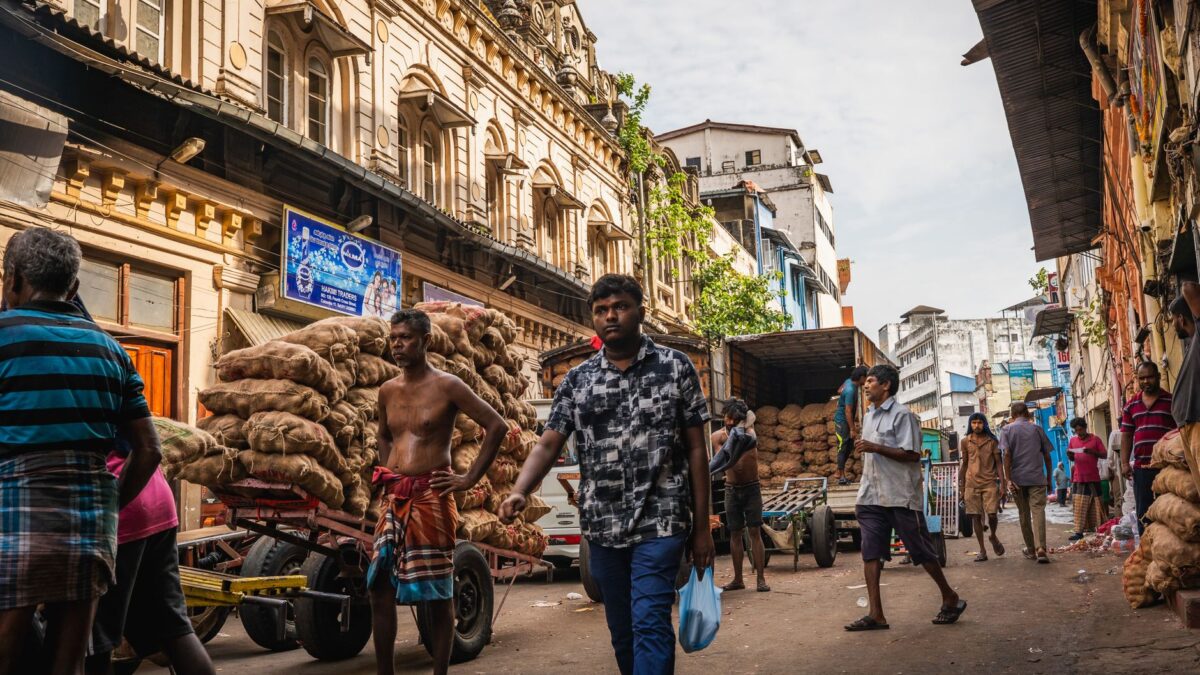
The drizzle was doing that Colombo thing again—soft, persistent, and somehow warm. I was at the bus stop near the Central Bank of Sri Lanka, the air thick with the smell of wet asphalt and diesel, when a red-and-white bus pulled up with a squeal. The conductor, hanging halfway out the door, didn’t so much as blink before shouting, “Colombo Fort! Colombo Fort!” in that sing-song Sinhala that means get on if you’re getting on. I hopped on, dropped my Rs 34 (about $0.10) into the fare box, and found a seat near a woman balancing a bag of mangoes and a school satchel. That’s how I’ve moved around this city for years—not with a map app, but with the rhythm of buses, trains, tuk-tuks, and my own two feet. Let me show you how it really works.
Buses: The Backbone of Colombo (and Your Wallet)
If you want to move like a local, the bus is your first language. The minimum fare is around Rs 34 (about $0.10) for a single city ride—a slab price that changes as you cross zones, but for short hops in the heart of Colombo—say, from Gangaramaya Temple to the Colombo National Museum—you’ll rarely pay more than Rs 100 ($0.30). There are two types: the government-run Central Transport Board (CTB) buses, painted in red and white, and private buses, often in blue or decorated with so many tinsel garlands they look like moving shrines. Both are loud, fast, and shockingly frequent. On main roads like Galle Road or the A1 toward Kandy, you’ll see a bus every few minutes, even in the rain.
There’s a quirk you’ll appreciate: bus conductors don’t issue tickets on many routes—they just hand you a printed slip if you ask. But the system is honor-based, and locals know the stages (stops) by landmarks, not names. If you’re unsure, sit near the conductor and tell him your destination before you pay. He’ll wave you off at the right place.
One thing to know: there’s no integrated monthly transit pass for Colombo. The government proposed one years ago, but it never materialized. So you pay per ride, which is fine because it’s cheap. If you’re staying for a week, budget roughly Rs 1,000–2,000 ($3–6) for bus fares—assuming you don’t get hooked on tuk-tuks.
Trains: The Scenic Commuter’s Secret
The railway network in Colombo is a vestige of colonial engineering that still works wonders. The main line runs from Colombo Fort Station south to Galle and Matara, and north toward Jaffna. For daily commuters, the Coastal Line is a lifeblood—locals pack in during rush hour, doors open, breeze blowing, salt smell from the ocean just a few feet away. A ride from Mount Lavinia into Fort costs about Rs 20–40 ($0.06–0.12), depending on the class (first, second, or third). I’ve done this ride countless times; it’s the best pre-breakfast view in the city—waves crashing on the left, concrete towers on the right, and vendors selling roasted peanuts and vade at every platform.
But here’s the honest truth: the train is not a metro. There’s no underground line, no frequency that matches a Tokyo subway. You’ll wait 15–30 minutes between trains, and delays are common during the monsoon when the sea occasionally washes over the tracks. Still, for going to Galle Face Green or the Colombo Lotus Tower, a train from Fort to the Secretariat Station (the new-ish light rail stop near the Port City) is a fun novelty, not a necessity. Most locals use buses for short hops and trains for out-of-town journeys. If you’re headed to Kandy or the hill country, the train from Fort is the way—but check weather alerts first. In August 2026, the Hatton–Colombo road was blocked by an early-morning earthslip at Kuilwatta, and railway lines through the hills have faced similar issues. Always ask your accommodation for the latest before heading out.
Tuk-Tuks: The Negotiation Dance
You can’t write about getting around Colombo without the three-wheeler—the tuk-tuk. It’s the city’s unofficial taxi, and it’s everywhere. A short ride within the city center—say, from Independence Square to the Gangaramaya Temple—should set you back around Rs 150–600 ($0.50–2). But that’s only if you know what you’re doing. Tuk-tuk drivers, especially at tourist spots, will quote you triple. The trick: always ask for the meter. Some tuk-tuks have meters; most don’t. If the driver refuses, negotiate hard. A fair price is roughly Rs 150–200 ($0.50–0.70) for the first kilometer, then Rs 100–150 ($0.30–0.50) per extra kilometer. I usually say, “Meter, ne?” (meter, no?) with a smile, and walk away if they refuse. There’s always anotehr tuk-tuk around the corner.
One warning: during the July–August monsoon, tuk-tuk fares spike because of fuel costs and drivers’ insurance. You might pay Rs 600 for a 2-km ride during a downpour. It’s still cheap by Western standards, but it adds up. If you’re taking several rides a day, you could easily spend Rs 2,000–3,000 ($6–9) in tuk-tuks alone.
For a safer option, use ride-hailing apps like Uber or PickMe (the local favorite). They show fixed prices, and you don’t have to negotiate. A PickMe tuk-tuk from the Colombo National Museum to the Colombo Lotus Tower might show Rs 250–350 ($0.80–1.20), depending on traffic. These are the prices I’d trust if I were new to the city.
Walking: The Underrated Hero
Here’s the thing—Colombo is actually a walkable city, if you time it right. The central area, from Galle Face Green to Independence Square, is about 3 kilometers. On a dry day (between April and September, before the southwest monsoon hits hard), you can stroll the entire route, past the Colonial-era buildings, the canals, and the street vendors selling king coconuts. You’ll save money, avoid traffic, and see things you’d miss from a tuk-tuk—like the Artful Echoes group exhibition at the Welcom Gallery inside the ITC Ratnadipa Hotel, or the aroma of kottu from a street-side stall.
But during the monsoon, walking can be miserable. The heat and humidity spike to a “feels like 35°C” even when the actual temp is 29°C. The drizzle makes the pavement slippery, and puddles are everywhere. In August, you’ll get 3mm of rain over several hours—not a downpour, but steady drizzle that soaks you through. So my advice: walk early morning (before 9am) or after the rain stops (often late evening). And always carry an umbrella—not just a rain one, but a sun shield, because the UV is fierce.
Costs & Practicalities for 2026
Let’s talk numbers, because I know you’re budgeting. A rice-and-curry plate at a local eatery costs about Rs 350–650 ($1.50–2). A kottu roti, the stir-fried chopped roti that’s a post-party staple, runs Rs 500–900 ($2–3). An egg hopper? Rs 80–150 ($0.40). If you eat at mid-range restaurants, you’ll pay Rs 1,000–1,800 ($4) for rice and curry, but the street-level spots are where I’d send you. A full day of eating at local spots? Rs 1,500–3,000 ($5–10).
On transit, though, the careful plan is: bus for main routes, train for coastal vibes, tuk-tuk for short hops and emergencies, and your legs for the rest. That could cost you under Rs 1,000 ($3) a day for transport, which is less than a single cocktail at the Shangri-La. Just don’t forget that bus fares rose twice in 2026—the minimum went from Rs 27 to Rs 30 in March, then to Rs 34 in July—so carry coins. The bus conductors don’t like breaking notes larger than Rs 100 ($0.30).
One more thing: there’s no ride-sharing pass, no monthly metro card. But there’s the Colombo One card for parking, which is irrelevant to you. What matters is that you learn the colors of the bus routes and the location of the main hubs: Fort, Pettah (the market district), and Bambalapitiya. You’ll be fine.
Festival Season & Traffic Alerts
August in Colombo is packed with events, which is both a blessing and a curse. The Derana Colombo International Kite Festival took over Galle Face Green earlier this month—80 flyers from 30 countries, a night illumination display, and a food festival opposite the Shangri-La. That means Galle Face was swarming with tuk-tuks and pedestrians. The Sunfest EDM event at Port City’s The Marquee (with R3HAB and KSHMR) also drew a crowd. And the Colombo International Theatre Festival starts August 22 at the Elphinstone Theatre—shows at 6:30pm every night, plus daytime workshops at the Swami Vivekananda Cultural Centre. If you’re here for any of these, plan your transit around the crowds: buses will be rerouted, and tuk-tuks will be scarce after 9pm.
Also keep an eye on landslides that have been blocking the Colombo–Kandy road (the Kadugannawa stretch) and the Hatton road. The main road was completely blocked for hours on August 15, and police advised the Norton Bridge route. If you’re planning a hill trip, check local news before you go. It’s monsoon season, and the earth is shifting.
Finally, don’t skip the Colombo Lotus Tower or the Independence Square—both are walkable from the city center, and the tower’s observation deck gives you a panorama that explains why we love this chaotic, green, rain-soaked city.
So here’s my honest advice: skip the rental car (parking is a nightmare, and you’ll be stuck in traffic), embrace the bus, haggle the tuk-tuk, and walk whenever the sun peeks out. That’s how I’ve gotten around since I was a kid, and that’s how you’ll truly feel the pulse of Colombo.
Frequently asked questions
How much does a bus ride cost in Colombo?
A single city bus ride costs a minimum of about Rs 34 ($0.10), with longer routes costing Rs 100–200. There’s no monthly pass, so you pay per ride.
Is the train in Colombo a metro?
No, it’s a coastal and main-line train system—not a metro. It’s great for scenic rides (like Mount Lavinia to Fort) and for long-distance trips to Galle or Kandy, but not for quick city hops.
How much should I pay for a tuk-tuk ride in Colombo?
A short city tuk-tuk ride costs about Rs 150–600 ($0.50–2). Always ask for the meter, or negotiate hard. Ride-hailing apps like PickMe and Uber give fixed prices.
Is Colombo walkable?
Yes, in the central areas like Galle Face Green to Independence Square—about 3km. But avoid midday heat and rain; walk early morning or after showers.
Are there traffic alerts during monsoon?
Yes, landslides blocked the Hatton–Colombo and Colombo–Kandy roads in August 2026. Check local news for updates before heading to hill towns.
Things to do in Sri Lanka
 Likely to sell out
Private City Day Tour in Anuradhapura
Likely to sell out
Private City Day Tour in Anuradhapura
 Private Car & Driver for 07 Days Tour In Sri Lanka
 Chauffeur guide and Tour organizer
 Highly recommended multi day tour in Sri Lanka
 Udawalawe National Park Half Day Jeep Safari (Private Tour)
 Private Traditional Sri Lankan Cooking Class in Kandy with Hotel Transfers