

Getting around Dodoma: metros, taxis and passes
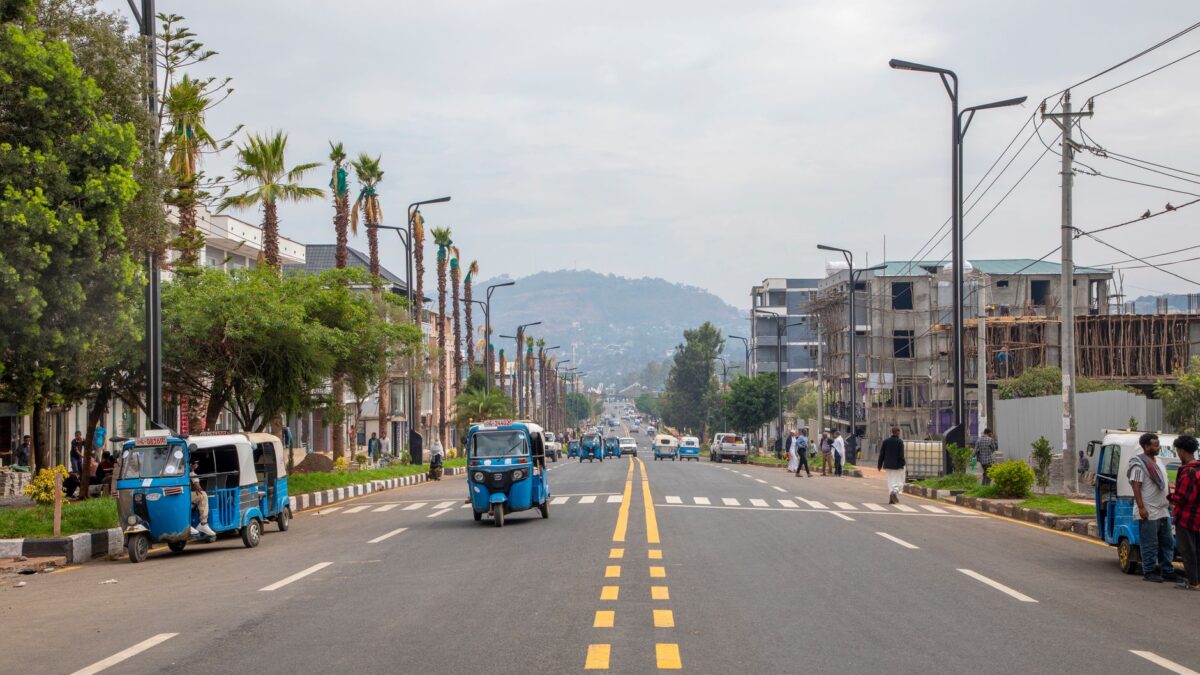
Dodoma does not rush. In the dry heat of early September, the city hums with a deliberate, administrative rhythm that is distinct from the frantic energy of Dar es Salaam. As you step out into the dust of Nyerere Square or navigate the quiet, tree-lined streets of Area D, you quickly realize that getting around this capital requires a different mindset. There are no subways, no sleek metro trains, and certainly no unified transit cards. Instead, movement here is defined by the open windows of daladala minibuses, the three-wheeled zipping of bajaji tuk-tuks, and the simple act of walking when the destination is close enough. For the visitor or the new resident, understanding these local veins of transport is key to unlocking the city.
The Rhythm of the Daladala and Bajaji
If you want to move like a true Dodoma local, you must master the daladala. These brightly painted minibuses are the backbone of daily transit, connecting the government quarters to the bustling markets. You will find them weaving through Majengo, the old market heart, and heading west toward the university district in Kisasa and Mlimwa. The system is informal but reliable: you flag one down on the main roads, shout your destination to the conductor, and pay as you exit. While I could not corroborate exact current fares for every route, expect to pay a modest amount in Tanzanian shillings (TZS) for short hops within the central areas. It is an affordable way to see the city’s pulse, though it can get crowded during the morning commute when parliament sessions are in full swing.
For shorter distances, particularly in the newer, wider avenues of the government quarter or when carrying luggage, the bajaji (tuk-tuk) is your best friend. These motorized rickshaws are ubiquitous in Dodoma. They are faster than walking and often more comfortable than squeezing into a minibus. Negotiate the fare before you climb in; prices vary based on distance and whether it is peak hour. A ride from the central post office area to the upscale residential zone of Area D should be reasonably priced, keeping in mind that Dodoma’s cost of living is roughly a third of US price levels, making local services generally accessible.
Taxis and Ride-Hailing: Comfort and Cost
While daladalas offer authenticity, taxis provide comfort and air-conditioning, which becomes essential during the hot, dusty days when temperatures can climb toward 30°C. Official taxi ranks are located near major hubs like the Soko Kuu (Central Market) and Nyerere Square. If you use a metered taxi, ensure the driver agrees to the rate beforehand if they claim their meter is broken—a common tactic. For those preferring digital convenience, ride-hailing apps have gained traction, though cash remains king in most transactions. Always carry small TZS notes; while mobile money via Vodacom’s M-Pesa or Airtel Money is how locals pay for everything from street food to taxi fares, drivers may struggle to break large bills.
Mid-range hotels like The Residence Hotel Dodoma or Spring Hills Hotel often have partnerships with reliable taxi firms. If you are staying in budget guesthouses in Majengo, ask your host for their preferred driver. This personal recommendation ensures fair pricing and safe travel. Remember, Dodoma is calm and low-crime compared to larger cities, but standard precautions apply: keep your belongings secure and avoid flashing expensive electronics.
Walking: The Best Way to Know the City
There is a reason why many residents say walking beats all other modes of transport in central Dodoma. The city layout, particularly around the landmarks, invites exploration on foot. From Independence Square, you can easily walk to the Anglican Cathedral, its octagonal stone structure and tiled dome towering over the center. Continue north, and you will reach the Gaddafi Mosque, one of East Africa’s largest, with its striking pink and white domes offering 360-degree views from its minaret. The distance is manageable, and the scenery—mixing modern government architecture with historic colonial remnants—is worth the steps.
However, be mindful of the weather. Early September marks the tail end of the long dry season. Days are hot and dusty, with light winds, but nights drop significantly, sometimes into the teens. Dust can coat your lungs and clothes, so a light scarf or mask might be wise. Also, note that sidewalks are not always continuous or well-maintained, especially near older markets like Kisasa. Use caution when crossing busy intersections, as traffic rules are more suggestions than laws. Despite the dust, a sunset walk up Lion Rock (Simba Hill) rewards you with the classic panoramic view of the city, a experience no vehicle can replicate.
Intercity Travel: Trains and Flights
When you need to leave Dodoma, the options are clear. For the journey to Dar es Salaam, the Standard Gauge Railway (SGR) offers a smooth, modern alternative to the road. The new Dodoma station connects you to the coast in about three to four hours, a scenic trip through the central plains. Alternatively, domestic flights between Dodoma and Julius Nyerere International Airport in Dar take just one hour, ideal for tight schedules. Note that Dodoma is a domestic airport hub, so international travelers typically arrive via Dar es Salaam first.
Keep in mind that Dodoma is undergoing significant transformation. With the inauguration of Phase 2 of the Mtumba Government City nearby, including hundreds of ministry buildings and paved roads, construction traffic is increasing. Plan extra time for travel if you are navigating areas near Heroes Grounds or the expanding government zones. The Regional Commissioner has also shifted neighborhood clean-up duties to daily inspections, meaning streets are often cleared earlier in the day, aiding traffic flow but adding to the sense of constant activity.
Practical Tips for Smooth Transit
To navigate Dodoma efficiently, a few practicalities are non-negotiable. First, register for a local SIM card immediately upon arrival. Vodacom, Airtel, Tigo, and Halotel cover the city well, and having a local number is crucial for booking rides, contacting hotels, and using mobile money services. Second, carry cash in small denominations. While banks like CRDB and NMB are plentiful, ATMs may run out of cash during holidays or weekends. Third, be aware of occasional power or water cuts; they happen, and they disrupt life, but the city adapts quickly.
Finally, respect the local pace. Dodoma is a political and administrative center, home to the Parliament and State House. Security checks are strict, and photography of government buildings is restricted. Embrace the slower rhythm, enjoy a cappuccino at a café in Area D, perhaps around 5,000 TZS, and let the city reveal itself to you at its own speed. Whether you are watching the sun set over Simba Hill or bargaining for spices at Soko Kuu, moving through Dodoma is a lesson in patience and presence.
Frequently asked questions
Is there a public bus pass or metro system in Dodoma?
No, Dodoma does not have a branded transit card or metro system. Daily travel relies on cash-fare daladala minibuses, bajaji tuk-tuks, and taxis.
How much does a meal cost in Dodoma compared to Dar es Salaam?
Dodoma prices are roughly a third of US price levels and lower than Dar es Salaam. An inexpensive local meal averages around 9,500 TZS ($4).
Can I use credit cards for transportation in Dodoma?
Cash (TZS) and mobile money (M-Pesa, Airtel Money) rule small trade and transport. Credit cards work mainly at big hotels and ATMs.
What is the best way to get from Dodoma to Dar es Salaam?
You can take the Standard Gauge Railway (SGR) which takes about 3-4 hours, or fly domestically, which takes about 1 hour.


