

Getting around Guatemala City: metros, taxis and passes
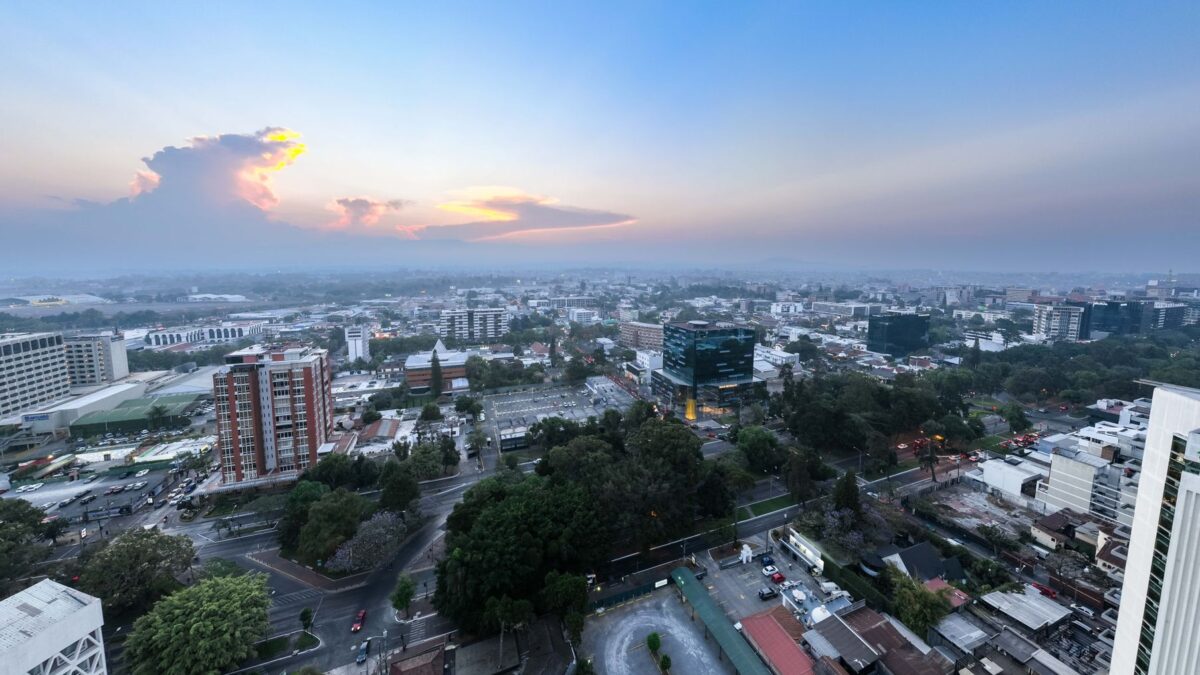
Guatemala City doesn’t move in straight lines; it moves in pulses. If you step out onto Avenida La Reforma right now, you’ll feel the vibration of a city caught between its colonial heartbeat and its modern rush. The air is thick with the scent of damp earth from this morning’s light drizzle and the sharp, sweet aroma of atol de elote roasting on street corners. It’s September, and the capital is draped in blue and white bunting. Marimbas tune up in the plazas, school bands rehearse in the distance, and every taxi driver seems to be holding his breath for the torch-lighting ceremonies that are about to criss-cross the entire metropolis.
Navigating this valley of volcanoes requires more than a map; it requires a local rhythm. You aren’t just getting from Point A to Point B; you’re navigating zones, avoiding rolling roadblocks, and learning which streets let you walk freely and which ones demand a ride-hailing app. Here is how we actually get around when the patriotic fever hits.
The Myth of the Metro and the Reality of the BRT
Let’s clear the air immediately: there is no subway system in Guatemala City. There is no underground train network connecting Zona 1 to Zona 14. If you’ve been here long enough, you know the rumors of the “Metro” or “AeroMetro.” Right now, those words are synonymous with construction delays and traffic nightmares. The AeroMetro works have closed two lanes of Boulevard Liberación between the Atanasio bridge and the Obelisco, turning what should be a quick commute into a gridlock trap. So, forget the metro. Look up.
Your best friend is the Transmetro, the Bus Rapid Transit (BRT) system. It’s clean, efficient, and distinctly Guatemalan. You don’t buy tickets at a booth; you tap your card at the gate. This is the Tarjeta Ciudadana. For locals, there’s a cheaper ‘Tarjeta Vecino’ version, but as a visitor, you can use any contactless Visa or Mastercard debit card directly at the gates, though picking up a physical card costs around Q20 and gets you five free trips—a small price for convenience.
A single ride on the regular Transmetro line runs about Q1 to Q2. Yes, you read that correctly. That’s roughly $0.20 USD. It is shockingly cheap compared to the rest of your daily expenses. However, the real cost of living in GCity isn’t in the transit; it’s in the rent and the food. While a modest one-bedroom flat outside the center might set you back Q3,250–4,200 ($480), you can eat like a king for less. A full set lunch (almuerzo)—soup, main course, and drink—costs only Q25–40 ($4) at a local comedor. So, spend the Q2 on the bus and save your quetzales for the coffee.
Be aware that municipal bus fares for standard urban routes have crept up recently due to diesel prices, capping at Q6–7 ($0.8). But the Transmetro remains the gold standard for speed, provided you avoid the hours when the fuego patrio torch relays block the avenues.
Taxis, Ride-Hailing, and the Zone Code
If the Transmetro feels too exposed, or if you’re carrying heavy bags toward the airport, you’ll need a car. In Guatemala City, safety is not just a suggestion; it’s a geography lesson. We live by the “Zone Code.” Zonas 10, 14, and 15, along with the gated enclave of Ciudad Cayalá in Zona 16, are the safe havens where you can walk to dinner without looking over your shoulder. Zones 1, 3, 6, 18, and 21? Avoid them after dark. Period.
For moving between these zones, Uber is the default choice for expats and savvy locals alike. It’s transparent, tracked, and generally safer than hailing a cab off the street. A typical taxi base fare starts around Q40 ($5), but surge pricing during the September festivities can double that. If you do hail a street taxi, insist they use the meter or agree on a price before you enter. Never negotiate once you’re in the seat.
The current political climate under President Bernardo Arévalo has created a tense atmosphere between reformists and entrenched establishments. This sometimes manifests in protests. Recently, demonstrations by groups like the 48 Cantones have occupied the Centro Histórico, forcing PMT buses and cars onto alternate avenues. During these times, Uber drivers may refuse short trips into Zona 1. Patience is key. If you’re stuck near the Palacio Nacional de la Culture or the Catedral Metropolitana during a protest, wait it out. Walk if you must, but keep your phone hidden and your movements deliberate.
When Walking Beats All Other Options
There is a misconception that Guatemala City is purely a driving town. It isn’t. Some of the city’s most vibrant pockets are designed for feet. Take Zona 4, the creative district. Here, independent cafés, coworking spaces, and designer markets thrive. You can stroll down the streets to find Quatro Grados Norte, a hub for artists and entrepreneurs. The vibe is intimate, and the street art tells stories of resistance and resilience that you won’t see in a guidebook.
Zona 10, known as Zona Viva, is another pedestrian-friendly zone, especially around the nightclubs and international restaurants. But the true gem for walking is Paseo Cayalá in Zona 16. This master-planned “city-within-a-city” is gated, secure, and beautifully landscaped. You can walk from the shops to the apartments without ever touching a dirty sidewalk. It’s expensive, yes, but it’s also where many expat families settle because it offers a bubble of order in a chaotic city.
And then there is the historic heart. While caution is advised at night, the Plaza de la Constitución is alive during the day. You can walk from the Museo Ixchel del Traje Indígena to the Museo Popol Vuh on the Universidad Francisco Marroquín campus. These twin museums hold the soul of the Maya world. The textile exhibits at Ixchel are breathtaking, and the pre-Columbian artifacts at Popol Vuh are world-class. Walking here, you pass the Torre del Reformador, an Eiffel-style steel tower that stands as a quirky landmark against the cloud-covered peaks of the volcanoes.
Don’t miss the Mapa en Relieve at Parque Minerva in Zona 2. It’s a huge outdoor topographic model of Guatemala. Standing there, you can trace the path from the Pacific coast to the Petén jungle. It’s the perfect orientation point before you dive into the chaos of the streets.
Practicalities: SIM Cards, Banking, and Getting Legit
Before you even leave La Aurora Airport, stop at the Tigo or Claro kiosk. You need a local SIM. Tigo and Claro dominate the network; Movistar is a distant third. Bring your passport. A prepaid card with data runs about US$3–5, with monthly plans starting around US$10. Without this, you’re blind. GPS and ride-hailing apps will fail you, and you’ll be lost in the zone-code maze.
If you’re staying longer, you’ll need a NIT (tax ID) from the SAT to sign leases or open bank accounts. Most Western passport holders enter visa-free for 90 days under the CA-4 agreement, but extensions require a trip to the Instituto Guatemalteco de Migración (IGM) in Zona 4. For banking, Banco Industrial, Banrural, and BAC Credomatic are the institutions that actually work with foreign residents. Don’t bother trying to open an account with smaller banks; they’ll turn you away for lack of residency papers.
As you navigate these logistics, remember the seasonal rhythm. Independence Day is approaching on September 15th. The civic parade will start at 7a Av/18 calle in Zona 1 and end at Parque Jocotenango. About 130 school bands will march from 8 a.m. to noon. Traffic will be paralyzed. Plan accordingly. Stay indoors, enjoy a cappuccino (Q15–25) at Black Sheep Kaffee or El Injerto Coffee, and watch the country celebrate its identity.
Guatemala City is not easy. It is loud, congested, and sometimes dangerous. But it is also deeply beautiful. When you learn to read the zones, respect the protests, and embrace the cheap, fast Transmetro, you stop being a tourist and start feeling like a local. And in a city this vibrant, that’s the only way to truly live.
Frequently asked questions
Is there a metro or subway in Guatemala City?
No, there is no underground metro system. The primary rapid transit option is the Transmetro BRT, which uses contactless cards or cash equivalents for rides costing around Q1-Q2.
How much does a taxi or Uber cost in GCity?
Taxi base fares start around Q40 ($5), while Uber prices vary by demand. Public bus fares are capped at Q6-Q7, but Transmetro is significantly cheaper at Q1-Q2 per ride.
Which zones are safest for tourists to walk in?
Stick to Zonas 10, 14, and 15, plus the gated Paseo Cayalá in Zona 16. Avoid Zona 1, 3, 6, 18, and 21 after dark due to safety concerns.
What is the Tarjeta Ciudadana?
It is the blue public transit card used for Transmetro, TuBus, and other BRT lines. It accepts contactless Visa/Mastercard debit cards, eliminating the need for cash tickets.
Will traffic be bad during September holidays?
Yes, expect major disruptions. The Sept 15 parade closes central avenues, and ongoing AeroMetro construction blocks key routes like Boulevard Liberación. Use Uber cautiously or stay put.
Things to do in Guatemala
 Guatemalan Cooking Class & Market Tour
 Coffee Tour Adventure Antigua Guatemala
 Private Ground Transfer From Antigua To Guatemala City Airport
 Antigua Coffee Tour by Local Producers
 Experience: Organic Coffee, Avocados, Honey & More!
 Tikal Full Day with Dedicated Exploration of the Archaeological Monuments.