

Getting around Hanoi: metros, taxis and passes
The air in Hanoi right now is thick, carrying the scent of wet asphalt and roasting chestnuts. It’s late September, the tail end of the stormy season, and the humidity sits heavy at around 38°C even when the thermometer reads a mild 25°C. If you are standing near Hoan Kiem Lake, you might be caught in a light drizzle that has kept more than 5,000 homes in low-lying areas inundated this week. Yet, the city pulses with life. The Old Quarter is alive with preparations for the Mid-Autumn Festival, where Hang Ma Street has been closed to traffic, transforming into a pedestrian haven of lanterns and mooncakes. Navigating this labyrinthine capital requires a mix of patience, local know-how, and the right transport choices.
Walking: The Slowest, Best Way to See
In Hanoi, walking isn’t just a mode of transport; it’s an immersion. The Old Quarter, or Hoan Kiem district, is a 1,000-year-old medieval trading quarter defined by its “36 guild streets.” Each lane was historically named for the trade practiced there, from Hang Gai (Silk) to Hang Ma (Paper Money). While the recent torrential rains have made some riverside paths slippery, the heart of the Old Quarter remains accessible on foot.
I recommend leaving your motorbike plans behind for at least the first few days. The chaos of the intersection near Ta Hien “Beer Street” can be overwhelming for new drivers. Instead, walk to Ngoc Son Temple across the red Huc Bridge, then meander toward the French Quarter. Here, the wide boulevards and colonial architecture of the Sofitel Legend Metropole offer a stark, cool contrast to the narrow alleyways. Be mindful, though: in November through February, air quality often hits unhealthy levels, but right now, the main hazard is the relentless stream of scooters. Keep your phone secure—snatch-theft is most common in Hoan Kiem—and watch your step as you navigate around vendors selling bun cha (grilled pork with vermicelli) for about 45,000–70,000 VND.
The Metro: New Arteries in an Old City
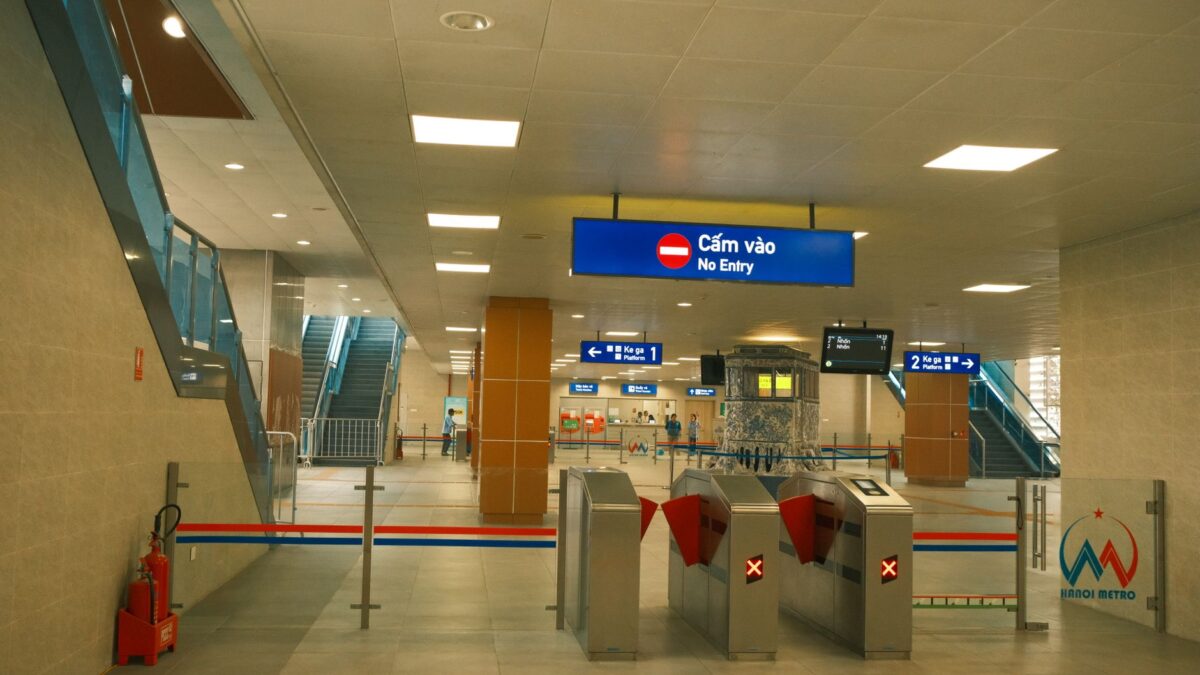
Hanoi’s public transit landscape is shifting beneath your feet. For years, we relied solely on buses and chaotic private buses, but the Hanoi Metro is changing the game. Line 2A (Cat Linh–Ha Dong), which opened in 2021, links the southwest suburbs to the center. More recently, Line 3 (Nhon–Cau Giay) has seen its elevated section open in August 2024, serving the western districts like Cau Giay and Long Bien.
For tourists and expats, the system is straightforward but limited in coverage. You can buy a single ticket at station counters for roughly 8,000–15,000 VND, or purchase a refundable Hanoi Metro Card for a 30,000 VND deposit. The stations are clean, air-conditioned escapes from the heat and rain, and they offer a unique perspective of the city from above. However, do not expect the metro to take you everywhere yet. It does not currently cover the entire city, particularly the deeper corners of the Old Quarter or the diplomatic enclave of Ba Dinh. Think of it as a supplement to your journey, not the sole backbone.
Buses and Passes: The Local Commuter Choice
If you want to move like a true Hanoian, look to the city bus network. It is incredibly affordable and covers areas the metro hasn’t reached. A single standard cash ticket costs between 7,000 and 9,000 VND—roughly $0.30 USD. This is dirt cheap, allowing you to hop on and off without guilt.
For longer stays, consider the monthly city bus pass. Priced at around 280,000 VND (approx. $12 USD), it offers multi-route access and is heavily subsidized. This is a favorite among digital nomads living in Tay Ho (West Lake) who commute to offices in Hai Ba Trung or Cau Giay. The buses are modernizing, though they can get crowded during rush hours. When riding, keep your bag in front of you. While Hanoi is generally safe, the density of passengers provides opportunities for pickpockets, especially near major hubs like Dong Xuan Market.
Taxis and Ride-Hailing: Door-to-Door Convenience
When the rain starts pouring or you need to cross from West Lake to the political heart of Ba Dinh quickly, ride-hailing is the preferred method for locals and visitors alike. Grab dominates this space. It is reliable, transparent in pricing, and avoids the haggling stress of street taxis.
While I couldn’t corroborate exact base fares for traditional taxi companies due to frequent fluctuations, Grab prices are fixed. A short ride within the Old Quarter might cost you significantly less than a bowl of pho bo (beef noodle soup), which runs 50,000–80,000 VND at local stalls. For a slightly longer trip to the Imperial Citadel of Thang Long or the One Pillar Pagoda in Ba Dinh, expect to pay more, but still far less than Western standards. If you prefer traditional taxis, ensure the meter is running. Companies like Mai Linh and Vinasun are reputable, but always verify the driver and car plate match the receipt before getting in.
A note on current events: Due to the recent flood-response directives and road closures in low-lying areas, some routes may be detoured. Always check your Grab app for estimated arrival times, as traffic jams are common, especially near the Hoan Kiem Lake perimeter during festival weekends.
Practicalities: Staying Connected and Safe
To navigate effectively, you need data. Pick up a local prepaid SIM from Viettel, Mobifone, or Vinaphone at Noi Bai airport or their branded shops. These carriers offer the best nationwide coverage. You will need your passport for registration, and it is worth noting that under Circular 87/2026/TT-BCA, effective July 24, 2026, foreigners must declare their temporary residence via the Ministry of Public Security’s electronic system within 12 hours of arrival in urban areas. Your hotel or host handles this, but ensure they do it promptly to avoid fines ranging from 3–20 million VND.
Finally, manage your expectations regarding safety and health. Hanoi is bureaucratic; the Ministry of Public Security has tightened foreigner monitoring. Stay compliant, keep your e-visa (valid for 90 days for most nationals) and Digital Arrival Card ready if required. And while the city is beautiful, respect the environment. With GDP per capita around $5,066 and inflation at 3.3%, Hanoi remains incredibly cheap for food and transport, but apartment rents in central districts are rising, hovering around 10–15 million VND per month. Use these savings wisely: spend 30,000–60,000 VND on a delicious street meal, save the rest for those Grab rides through the misty, lantern-lit streets of autumn Hanoi.
Frequently asked questions
How much does a single Hanoi metro ticket cost?
Single tickets for the Hanoi Metro typically cost between 8,000 and 15,000 VND. You can also buy a refundable metro card for a 30,000 VND deposit.
Is it safe to walk in the Old Quarter during the rainy season?
Generally yes, but be cautious. Recent torrential rains have caused flooding in low-lying areas, so watch for puddles and debris. Motorbike traffic remains dense, so stay alert.
What is the best way to pay for buses in Hanoi?
You can pay with cash for a single ticket (7,000–9,000 VND) or purchase a monthly pass for around 280,000 VND, which is popular with long-term residents.
Do I need to register my residence if I stay in a hotel?
Yes. Under recent regulations, hotels must declare your temporary residence to the police within 12 hours of your arrival. Ensure your host completes this process.
Things to do in Vietnam
 Likely to sell out
Number one top rated ethical cultural trekking and homestay by ETHOS
Likely to sell out
Number one top rated ethical cultural trekking and homestay by ETHOS
 Hanoi Motorbike Tour: Hanoi HIGHTLIGHTS & HIDDEN GEMS
 Da Nang Authentic Home Cooking Class
 Ho Chi Minh/Saigon Zero Tourist Food Tour
 The Central Highlands Explorer Loop
 Eat Like a Local: Saigon Michelin-selected Street Food by scooter