

Getting around Jakarta: metros, taxis and passes
The first time you cross Jakarta at rush hour, you’ll understand why the city’s unofficial motto is “macet, macet, macet”—traffic, traffic, traffic. It’s 5:45 PM, the sky is a bruised purple after a light drizzle, and the air feels like 39°C even though the thermometer says 35. You’re in a ride-hail car inching past the Sudirman towers, and the meter—well, the app—is climbing faster than your patience. But here’s the thing: locals don’t fight the traffic. They outsmart it. The secret is a layered system of trains, buses, and a single card that unlocks almost everything. Let me walk you through it, the way I’d tell a friend.
The Backbone: MRT, TransJakarta, and the KRL
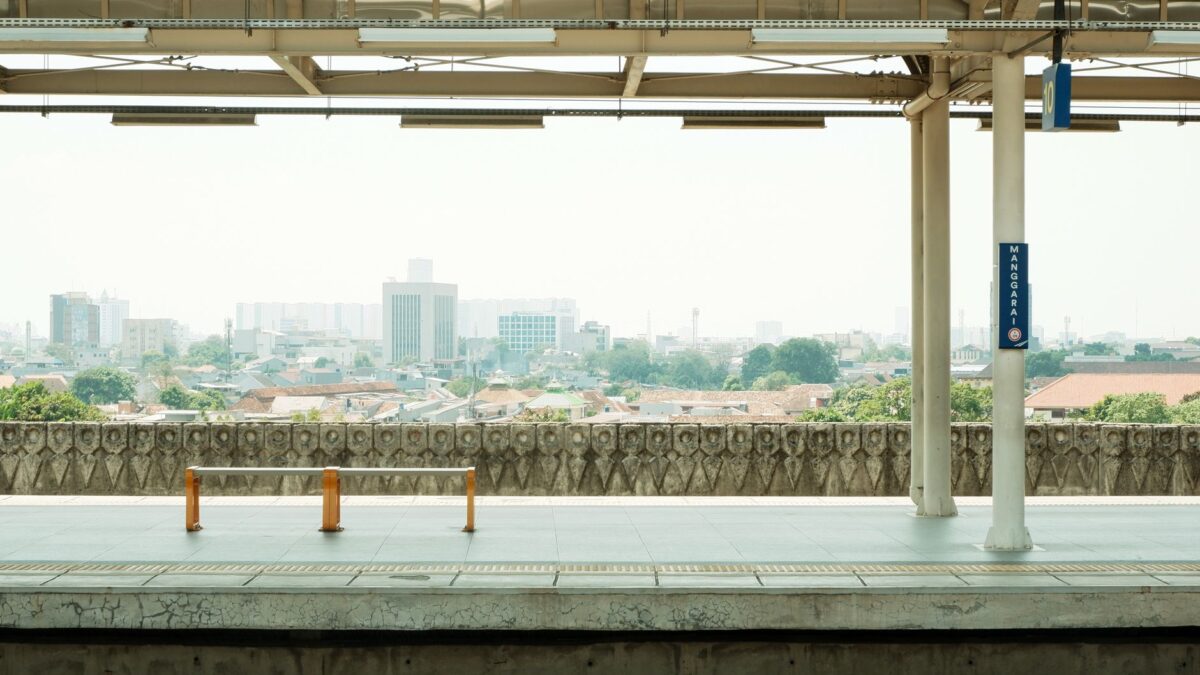
Jakarta’s public transport has had a quiet revolution over the last decade. The MRT Jakarta (the modern, driverless metro) runs north-south from Lebak Bulus to Bundaran HI, and it’s the gold standard for speed and air-conditioning. Fares are distance-based, roughly Rp3,000–14,000 (about $0.5), and you can pay with a contactless bank card or the JakLingko card. The trains come every few minutes, and they’re spotless. For east-west travel, the KRL Commuterline—the commuter rail that snakes through the city and suburbs—is your best friend, especially if you’re heading to Kota Tua or Blok M. Then there’s the TransJakarta bus rapid transit (BRT), the orange giants that have their own lanes and cheat the traffic. A single ride is a flat Rp3,500 (about $0.2)—though there’s talk of the first fare hike in 20 years, possibly doubling to Rp7,000, so don’t be shocked if that changes. For a few thousand rupiah, you can also hop on Mikrotrans, the smaller feeder vans that get you into the gaps the big buses can’t reach.
The JakLingko Card: Your Master Key
If you take away one practical tip, it’s this: buy a JakLingko card (about Rp20,000 for the card itself, then top up as you go). Locals call it the “master key” because it integrates MRT, TransJakarta, KRL, Mikrotrans, and even the Soekarno–Hatta airport train. You tap it on any platform, and transfers are seamless—with a cap of around Rp10,000 per trip, so you won’t get gouged for changing lines. Alternatively, your bank’s e-money card works too: BCA Flazz, Mandiri e-Money, BNI TapCash, BRIZZI, or the Bank DKI JakCard. Every major bank issues them, and you can top up at Indomaret or any convenience store. The MRT app, MyMRTJ, is handy for schedules and even buying tickets—but the tap card is faster. And if you’re heading to Bandung, the Whoosh high-speed train leaves from Halim Station, and it’s a game-changer.
Taxis and Ride-Hailing: Gojek and Grab Rule
Honestly, I rarely use street taxis. The blue and white ones? They’re fine, but the constant haggling over meters makes my blood boil. The real way locals move is via Gojek and Grab—the ride-hailing apps that are part of daily life. A two-wheeled ojek (motorcycle taxi) can weave through the jam and get you across town for about Rp20,000–30,000 (a few dollars), while a four-wheeled car is closer to Rp40,000–60,000 depending on distance and surge. The apps are in English, take credit cards, and let you see your driver’s photo and rating. Safety-wise, they’re far more reliable than hailing random taxis—plus the drivers know the short cuts through Menteng’s leafy lanes or the backstreets of Kemang. If you must take a taxi, use the app’s taxi option (GrabCar or GoCar) to avoid scams. And always check the route—the apps often save you from the worst of the 5 PM gridlock.
When Walking Beats Everything (and When It Doesn’t)
You’d think walking is a death wish in a city like this, but it’s not—if you pick your moments and places. Early mornings (before 7 AM) are golden: the air is cooler (around 26°C), and the sidewalks near Monas (the National Monument) or around Taman Suropati park in Menteng are blessedly clear. Sunday mornings are the best: the city closes off parts of Sudirman for the Car Free Day where thousands of locals jog, bike, and street-food vendors set up. That’s when walking is pure joy. But during the day? The heat and humidity (feels like 39°C) will sap you. The humidity is brutal, and the light drizzle that comes and goes makes the pavement slick. Walking from Istiqlal Mosque to the Jakarta Cathedral across the “tunnel of friendship” is doable—it’s a quick stroll—but don’t plan on a 20-minute walk to your next meeting unless it’s under an air-conditioned mall. In the SCBD / Mega Kuningan area, the sidewalks are wide and shaded, so it’s fine. But in Kota Tua (Old Batavia), the colonial-era blocks are compact, and walking is the only way to appreciate the Dutch architecture. General rule: walk under 500 meters, and do it in the morning or after sunset. Otherwise, err on the side of a Grab or a TransJakarta bus.
Riding the Commuter Rail to Culture (and Coffee)
One of my favorite lokal tricks is to take the KRL from Kota station (right in the heart of Kota Tua) to Blok M—it’s a 25-minute ride for a couple thousand rupiah, and you skip the entire Sudirman traffic. Blok M is the creative hub now: head to M Bloc Space, a converted banknote-printing warehouse that’s now a buzzing hangout with vinyl stores and food stalls. A short walk (or one Mikrotrans hop) takes you to Pasar Santa, where you can snack on street-food under Rp30,000 (about $2.4) and watch the creative set at % Arabica or Giyanti Coffee Roastery. If you’re into museums, the National Museum of Indonesia (Merdeka Square) and the Jakarta History Museum in Fatahillah Square are both served by the KRL—just tap in and out. And don’t miss the Museum MACAN for contemporary art; it’s a bit further but worth the ride. The key is to plan your day around the stations: each stop drops you into a distinct district, from the colonial charm of Kota Tua to the golf-course-like lawns of Pondok Indah (where you’ll find the massive Pondok Indah Mall, PIM 1-3).
Passes and Budgeting: What You’ll Actually Spend
Let’s talk numbers, because being a savvy traveler means knowing what things should cost. A typical monthly transport budget for a local is around Rp500,000 (about $30), and that covers a mix of MRT, KRL, and TransJakarta rides. For a tourist, a day of heavy transit might run you Rp50,000–80,000 (about $5), especially if you buy a JakLingko card and tap across modes. Food is cheap: a warung meal is Rp25,000–50,000 (about $2.4), and a bowl of soto betawi (beef-coconut soup) is Rp30,000–35,000 (about $2). A proper nasi padang set with rendang is about Rp60,000 (around $4). Iced kopi susu gula aren from a local chain is Rp20,000 (about $1.3). So you can easily eat and move for under Rp150,000 a day (about $10). The caveat: rents are skyrocketing in the city center (a one-bedroom outside the core can be Rp3,050,000–4,300,000 per month, roughly $230), so if you’re staying long-term, factor that in. But for transit, you’re golden—just be ready for the impending TransJakarta fare hike; even if it doubles, it’s still a steal.
One last thing: get a local SIM from Telkomsel, XL, or Indosat (the big three) at the airport or any Indomaret. You’ll need your passport to register it (Indonesian law requires it, but it’s quick), and data plans are cheap. That SIM gives you 4G/5G for your maps and ride-hailing apps—essential, because getting lost is the only thing that’ll cost you time. And remember, the city is stepping down as capital as the government moves to Nusantara, but Jakarta remains the economic engine—so traffic stays, and so does the charm. Now go tap your card, hop on the MRT, and dive into the chaos. You’ll be fine—I promise.
Frequently asked questions
What is the cheapest way to get around Jakarta?
The TransJakarta bus is the cheapest (flat Rp3,500 per ride, about $0.2), followed by the KRL commuter rail. With a JakLingko card, transfers are capped around Rp10,000, making it highly affordable.
How much does the Jakarta MRT cost?
MRT fares are distance-based, ranging from about Rp3,000 to Rp14,000 (roughly $0.5 to $1). You can pay with a JakLingko card or any bank e-money card like Flazz or e-Money.
Do I need a travel pass for Jakarta public transport?
Yes, a JakLingko card is the best 'pass'—it works across MRT, TransJakarta, KRL, and Mikrotrans, and you just top it up. It costs about Rp20,000 for the card itself, then you load funds as needed.
Is it safe to use Gojek or Grab in Jakarta?
Yes, Gojek and Grab are the standard, most reliable way to move around. They use GPS tracking, and you can see driver ratings. Avoid hailing street taxis, as they often refuse meters.
When is walking advisable in Jakarta?
Walk early mornings (before 7 AM) or on Sunday Car Free Day along Sudirman. For short distances (under 500m) in shaded areas like SCBD or at night in Kota Tua, walking is fine—but the heat and humidity make longer walks tough.
Things to do in Indonesia
 PRIVATE Authentic Balinese Cooking Class in Ubud at Putu's Home
 Ubud Highlights: Monkey Forest, Rice Terrace, Tirta Empul Temple
 Anggrek Putih Lombok Cooking Class & Garden Tour
 Ubud Adventure All Inclusive Private Day Tour
 Likely to sell out
Nusa Penida Two Dives Trip for Certified Divers
Likely to sell out
Nusa Penida Two Dives Trip for Certified Divers
 Bali Airport Transfer Service in Private