

Getting around Kampala: metros, taxis and passes
There is a specific rhythm to Kampala that you only learn when you are standing on the side of Kira Road with your hand raised, watching a sea of red-dust and rain-slicked tarmac. It is not just about getting from point A to point B; it is about navigating hills that seem to climb into the clouds, dodging puddles that could swallow a shoe, and finding your place in a city that moves faster than its map suggests. If you are here for the Uganda show or simply passing through this vibrant capital, understanding how locals move is the key to unlocking the city. Forget the idea of a silent, orderly metro system—Kampala breathes in minibus horns and exhales in boda-boda engines.
The Minibus Network: The City’s Veins
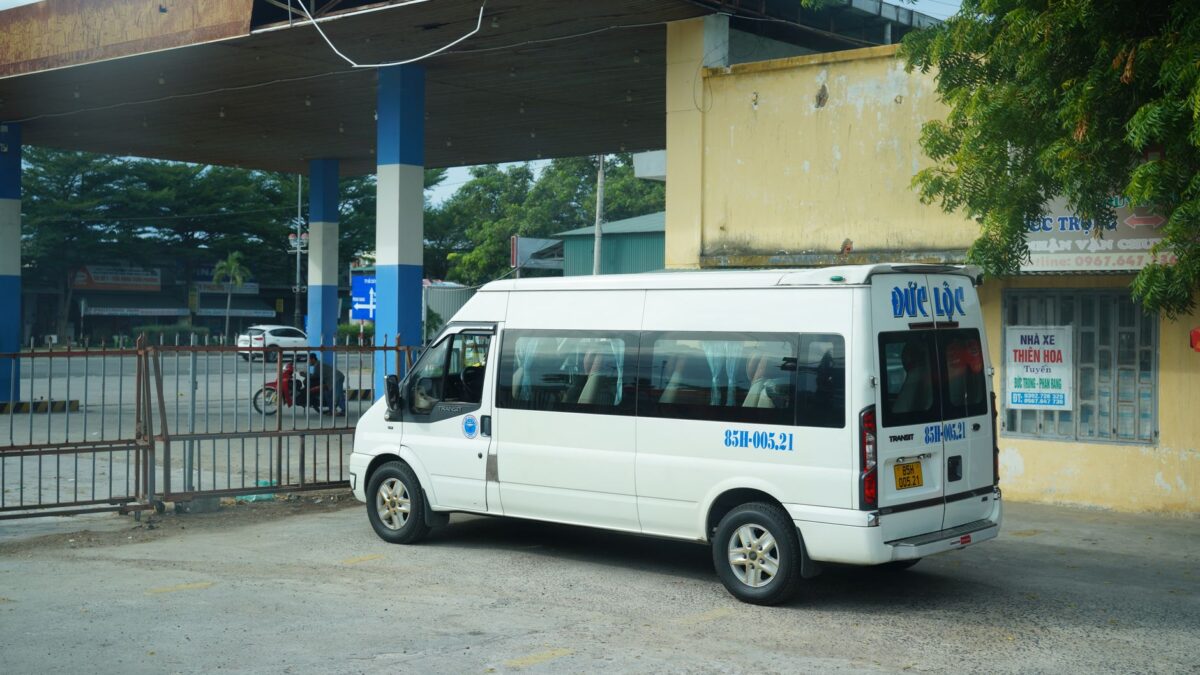
For decades, the backbone of Kampala’s transport has been the 14-seater minibus, affectionately known locally as ‘taxis.’ These are not the comfortable coaches you might see in Europe; they are bright, often battered vehicles packed with passengers, goods, and sometimes even live chickens. They run on fixed routes but have no formal timetables. You flag them down, and if there is space, they stop. If they are full, they will flash their lights and keep going.
The cost is remarkably affordable. A single ride across most of the central districts will set you back around UGX 3,000 (approximately $0.8). While this seems like a bargain, remember that fares can fluctuate during peak hours or heavy rain. There is no unified transit card or pass system in Kampala; everything is cash-based. You pay the conductor directly when you board or alight. For those commuting daily, some operators offer monthly passes, which currently hover around UGX 68,800 (about $18), though these are informal agreements rather than official municipal products.
The main hubs for these minibuses are the Old Taxi Park and New Taxi Park in the Central Business District (CBD). From here, you can catch rides to almost every corner of the city. However, be prepared for chaos. The parks near Owino Market and Nakasero are frenetic places where hundreds of people converge. Keep your phone secure, watch your pockets, and be ready to shout your destination clearly to the conductor. If you want to head to Kololo or Nakasero, look for signs pointing to those specific destinations, as drivers will often call out their route endings.
Boda Bodas: Speed, Risk, and Reality
If minibuses are the veins, boda bodas (motorcycle taxis) are the nervous system of Kampala. They are ubiquitous, fast, and essential for cutting through the gridlock that paralyzes the city during rush hour. Whether you are heading to a meeting in Bugolobi or trying to escape the heat in Kabalagala, a boda boda can get you there in half the time of a car.
However, this convenience comes with significant risks. Road accidents are a leading cause of injury in Uganda, and boda bodas are involved in a disproportionate number of them. Always negotiate the fare before you mount the bike. Drivers may quote higher prices to tourists or strangers, so ask locals for a reference rate if you are unsure. Most importantly, insist on a helmet. It is not just a legal requirement; it is a lifeline. I have seen too many visitors ignore this advice and regret it later.
While app-based ride-hailing services exist and are growing in popularity among the middle class, they do not cover the entire city uniformly. In many neighborhoods, especially the older parts of the CBD or the sprawling suburbs like Ntinda, traditional boda boda stages are still the primary mode of short-distance travel. Be aware that walking alone after dark in certain areas, particularly Kabalagala and parts of the CBD, is not recommended due to safety concerns. Use a boda boda or a ride-hailing app to get door-to-door rather than walking through poorly lit streets at night.
Taxis and Ride-Hailing: Comfort and Cost
For those who prefer air-conditioned comfort or are traveling in groups, private taxis and ride-hailing apps are the next best option. Companies like SafeBoda and Uber operate in Kampala, offering a more structured experience than hailing a random boda boda. You can book via an app, see the fare upfront, and track your driver’s location. This is particularly useful if you need to get to the airport or travel between distant points like Muyenga and Entebbe.
Costs vary significantly based on distance and traffic. A short ride within the CBD might cost UGX 15,000 to UGX 20,000, while a longer trip to the outskirts could run upwards of UGX 50,000. During special events, such as the recent Uganda International Fashion Week at the Serena Hotel or the Serendipity Summer Splash Street Party in the Industrial Area, demand spikes and prices surge. Plan ahead and avoid hailing rides during major conference seasons, like the current Uganda–Nigeria Business Forum, which causes typical congestion on Kampala’s central streets.
Traditional white taxis, often found at hotel lobbies or designated ranks, are another option. They are generally safer and more reliable than street-hailed cabs, but they are also more expensive. Negotiate the fare firmly before starting your journey. If you are staying in upscale areas like Kololo or Nakasero, you will find plenty of taxi options, but in more residential zones, you may need to walk to a main road to flag one down.
Walking: When Two Feet Beat Four Wheels
Kampala is a hilly city, and while that makes driving challenging, it makes walking surprisingly pleasant—if you time it right. Early mornings and late afternoons are ideal for exploring neighborhoods like Kololo, with its tree-lined avenues and embassies, or Muyenga, which offers serene views over the city. Walking allows you to discover hidden gems, from small cafes serving excellent Ugandan coffee to local markets selling fresh produce.
However, walking requires caution. The weather in early September marks the start of the short rainy season, meaning days often start bright but break into sudden afternoon downpours. These rains can flood potholes and turn red-dirt side roads into mud. Avoid walking in low-lying areas during or immediately after heavy showers. Additionally, keep your valuables concealed, especially in crowded markets like Owino or Nakasero. Pickpocketing is common in these dense environments.
For longer distances, walking is rarely practical due to the city’s sprawl and lack of dedicated pedestrian infrastructure. Stick to well-lit, guarded areas such as Kololo, Nakasero, and Muyenga if you must walk at night. In contrast, areas like Kabalagala, known for its nightlife, can be chaotic and are best avoided alone after dark. If you want to experience the local vibe, visit the Ndere Cultural Centre in Ntinda or the Uganda Museum on Kira Road during daylight hours, where walking tours are safe and informative.
Navigating the Hills and Hubs
Kampala is built on seven hills, and this topography defines its transport dynamics. The CBD sits at the bottom, surrounded by residential and commercial hills. Moving between these levels can involve steep climbs and drops. Minibuses often struggle with the inclines, and boda bodas are frequently the preferred choice for navigating these gradients. When planning your route, consider the elevation changes. A trip from the flatlands of Bugolobi to the heights of Nakasero might take longer than expected due to traffic bottlenecks on the connecting roads.
Key landmarks shape the city’s flow. The Kasubi Royal Tombs in Mengo, a UNESCO World Heritage site, attract many visitors, but access can be restricted depending on royal protocols. The Uganda National Mosque on Old Kampala hill offers panoramic views and is a good vantage point to understand the city’s layout. Similarly, the twin cathedrals of Namirembe and Rubaga are central to the religious and social life of the city, influencing traffic patterns around their respective hills.
For business travelers, the concentration of offices in Nakasero and Kololo means these areas experience heavy traffic throughout the day. If you have meetings in these districts, allow extra time for transit. The presence of international organizations and embassies adds a layer of security and structure to these areas, making them relatively safe and easy to navigate compared to other parts of the city.
Frequently asked questions
How much does a minibus ride cost in Kampala?
A single matatu (minibus) fare is typically around UGX 3,000 (approx. $0.8), though prices may rise slightly during peak hours or bad weather.
Is there a public transport card or pass in Kampala?
No, Kampala runs on cash. While some informal monthly passes exist for regular commuters (around UGX 68,800), there is no unified transit card system.
Are boda bodas safe to use in Kampala?
They are the standard way to get around but carry accident risks. Always negotiate the fare first, insist on a helmet, and avoid riding alone at night in high-crime areas.
What are the main transport hubs in Kampala?
The Old Taxi Park and New Taxi Park in the CBD are the primary hubs for minibuses, connecting to various districts like Nakasero, Kololo, and Bugolobi.
When is the best time to walk around Kampala?
Early morning and late afternoon are best, avoiding the sudden heavy afternoon showers common in the rainy season. Stick to well-lit, guarded areas like Kololo or Nakasero at night.
Things to do in Uganda
 Jinja day tour exploring the source of River Nile
 8-Day Classic Uganda Primates & Wildlife Tour
 Private 3 Day Gorilla Trekking Safari in Uganda
 Unforgettable 3 days Murchison falls.
 14 Days Uganda Safari Adventure, Gorilla Trekking and WildlifeTour
 Affordable 2 days Murchison Falls and Wildlife Game Viewing