
Getting around Kigali: metros, taxis and passes
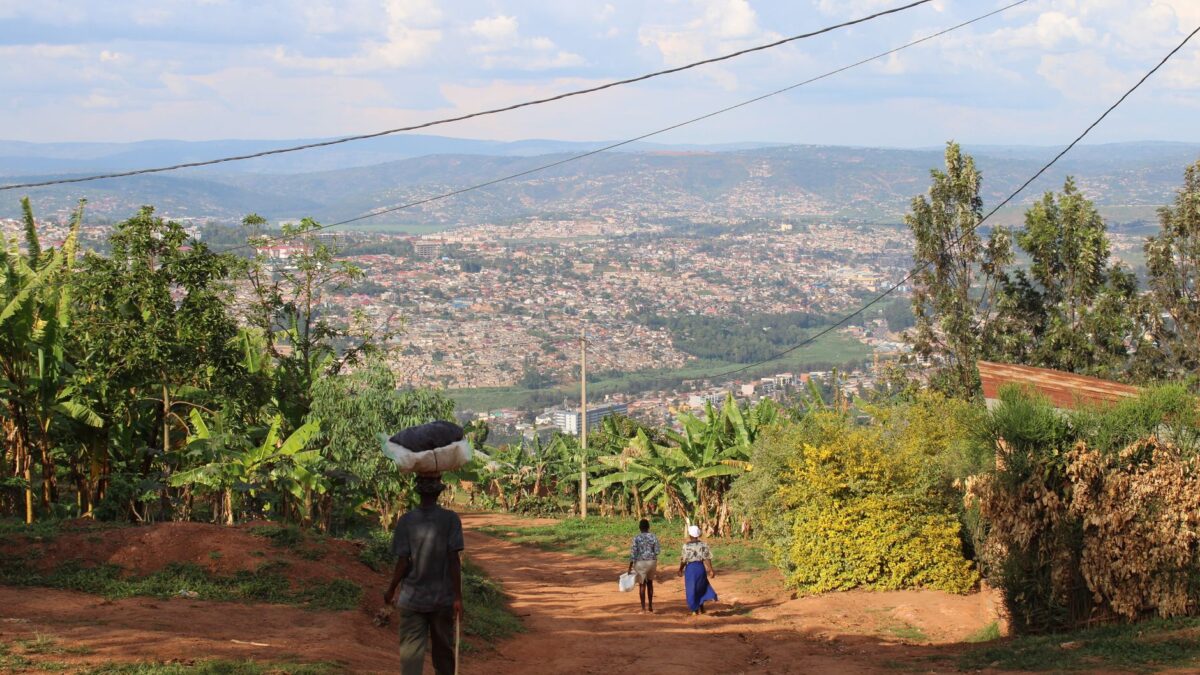
There is a specific rhythm to Kigali’s mornings. It begins with the low hum of a thousand motorcycles weaving through the hills, the scent of dust and damp earth rising from the streets as the short rains finally begin to touch down after a long dry spell. If you are standing at the corner of Kimihurura or navigating the steep inclines of Kacyiru, you quickly realize that moving through this city requires more than just a map—it demands an understanding of its pulse. As Uwase Mutesi, I have watched this capital transform from a small hillside settlement into one of Africa’s most orderly urban centers, and I know that getting around is not just about distance; it is about knowing which tool fits the terrain.
The Tap&Go Bus Network: Efficiency on Wheels
Kigali’s public bus system, operated by Kigali Bus Services (KBS) and other groups like RFTC, has modernized significantly. The days of haggling for every seat are largely gone for the official routes. Instead, the city runs on the Tap&Go smart card system. You will see agents in bright yellow vests at major terminals, ready to issue and top up your cards. This cashless approach keeps things moving smoothly, especially during peak hours when traffic can snarl around the Kigali Convention Centre or near the Kimironko Market.
A single ride typically costs between 300 and 800 RWF (roughly $0.40). While this is incredibly affordable compared to local salaries, it remains a premium for those accustomed to cheaper regional transit. The buses are clean, air-conditioned, and generally safe, making them a solid choice for shorter hops across districts like Nyamirambo to the city center. However, they do not go everywhere. If your destination is deep within the residential hills of Nyarutarama or far out toward Gisenyi, the bus might only take you part of the way. Remember, on the last Saturday of every month, all transport pauses for Umuganda, the mandatory community cleanup day. Plan your travel accordingly, or find yourself stuck until mid-morning.
Moto-Taxis: The Veins of the City
If you want to feel the true speed of Kigali, you ride a moto-taxi. These motorcycle taxis are ubiquitous, zipping through traffic jams that paralyze cars, particularly along the widening Prince House to Masaka corridor where construction dust hangs heavy in the air. For locals, the moto is often the fastest way to cross the city, whether you are heading to the Genocide Memorial in Gisozi or grabbing fresh produce at Kimironko.
You can hail these bikes on the street, but using apps like Yego Moto or SafeMotos offers peace of mind and fixed pricing. A short ride within the city usually runs between 1,000 and 2,000 RWF (about $1.10). Prices may fluctuate slightly due to fuel costs, so it is wise to agree on a fare before you mount the bike if you are not using an app. Always wear a helmet; safety is non-negotiable here. For visitors, this is also the best way to navigate the steep gradients of Kiyovu or Kacyiru without burning calories you might need for exploring the Inema Arts Center later.
Taxis and Ride-Hailing: Comfort and Clarity
For longer distances, inclement weather, or when traveling in a group, standard taxis and ride-hailing services provide comfort. Uber operates reliably in Kigali, offering transparent pricing that saves you from negotiation. Traditional white taxis are also available, though they often require negotiation unless they use a meter, which is increasingly common in central areas like Kacyiru and Kimihurura.
Ride-hailing fares vary by demand. A trip from the upscale Hotel des Mille Collines in Kiyovu to the bustling Nyamirambo neighborhood might cost more than a simple bus ticket, but it guarantees you arrive dry and comfortable. During major events, such as the recent Africa Food Systems Forum or the upcoming SportsBiz Africa Week, prices surge due to high demand around the Kigali Convention Centre. If you are attending the esports cup at BK Arena or the golf championship at Kigali Golf Resort & Villas, booking your ride in advance is essential. The convenience comes at a price, but for many expats and travelers, the reliability is worth the extra 5,000 to 10,000 RWF.
Walking: The Best Way to See the Soul of Kigali
Never underestimate the power of walking in Kigali. The city is remarkably clean and safe, consistently ranked as one of Africa’s most secure capitals. Walking allows you to notice details that vanish from a car window: the vibrant tailors’ workshops in Nyamirambo, the serene wetlands of the Nyandungu Eco-Park, or the colonial architecture in Kiyovu. The hills can be steep, so pace yourself, but the rewards are immense.
I often recommend walking from the Kandt House Museum, where you can learn about the city’s founding by Richard Kandt, down toward the city center. The views from the museum’s terrace are breathtaking, and the descent leads you past numerous cafes like ONECUP Coffee House, perfect for a 3,500 RWF cappuccino break. Walking also supports the local economy directly; you will pass street vendors selling goat brochettes for 800–1,500 RWF each or fresh chapatis for just 200–300 RWF. Just remember to carry reusable bags, as plastic bags are banned and enforced strictly. If you are visiting the Kigali Genocide Memorial, allow two to three hours for a sobering, reflective walk through the grounds; the experience is profound and best absorbed on foot.
Practical Tips for Seamless Movement
To move freely, you need two things: mobile money and a local SIM. Register for an MTN or Airtel line immediately upon arrival. Mobile money (MoMo) is the lifeblood of transactions in Rwanda. From paying for your Tap&Go card to buying milk at the market, cash is becoming less necessary. Ensure you have enough balance on your MoMo account, as many drivers and small vendors prefer digital payments over physical currency.
Safety is generally excellent, but stay aware of your surroundings. Avoid photographing government buildings, embassies, or military installations. If you are renting accommodation, note that rents in modest one-bedroom flats range from 350,000 to 600,000 RWF monthly, and prices are climbing. When dining out, a local lunch buffet might cost around 2,500–5,000 RWF, while a nicer dinner at a place like Le Petit Chalet or Boho Restaurant could set you back 15,000–20,000 RWF per person. Budget accordingly.
Finally, embrace the order. Kigali is a city of plans and execution. Whether you are waiting for a bus, hailing a moto, or walking to the Niyo Arts Center, punctuality is valued. Use this structure to your advantage. Explore the Golden Triangle of Nyarutarama, visit the Lake Nyarutarama birdwatching spots, or simply sit at the Inkindi House and watch the city breathe. Getting around Kigali is not just about transit; it is about participating in the rhythm of a nation that has rebuilt itself with remarkable grace.
Frequently asked questions
How much does a Kigali bus ride cost?
A single city bus ride typically costs between 300 and 800 RWF (approx. $0.40), payable via the Tap&Go smart card.
Is it safe to walk around Kigali at night?
Kigali is widely considered one of Africa’s safest capitals, but standard precautions apply. Well-lit areas like Kimihurura and Kacyiru are generally safe, but always stay alert.
Do I need cash for transportation in Kigali?
Cash is less critical than in the past. Most buses use Tap&Go cards, and moto-taxis accept MTN/Airtel Mobile Money (MoMo). Keep some small notes for street vendors.
What happens to public transport on Saturdays?
All public transport and commercial activities pause for Umuganda, the mandatory community cleanup day, on the last Saturday of every month until mid-morning.


