

Getting around Kuala Lumpur: metros, taxis and passes
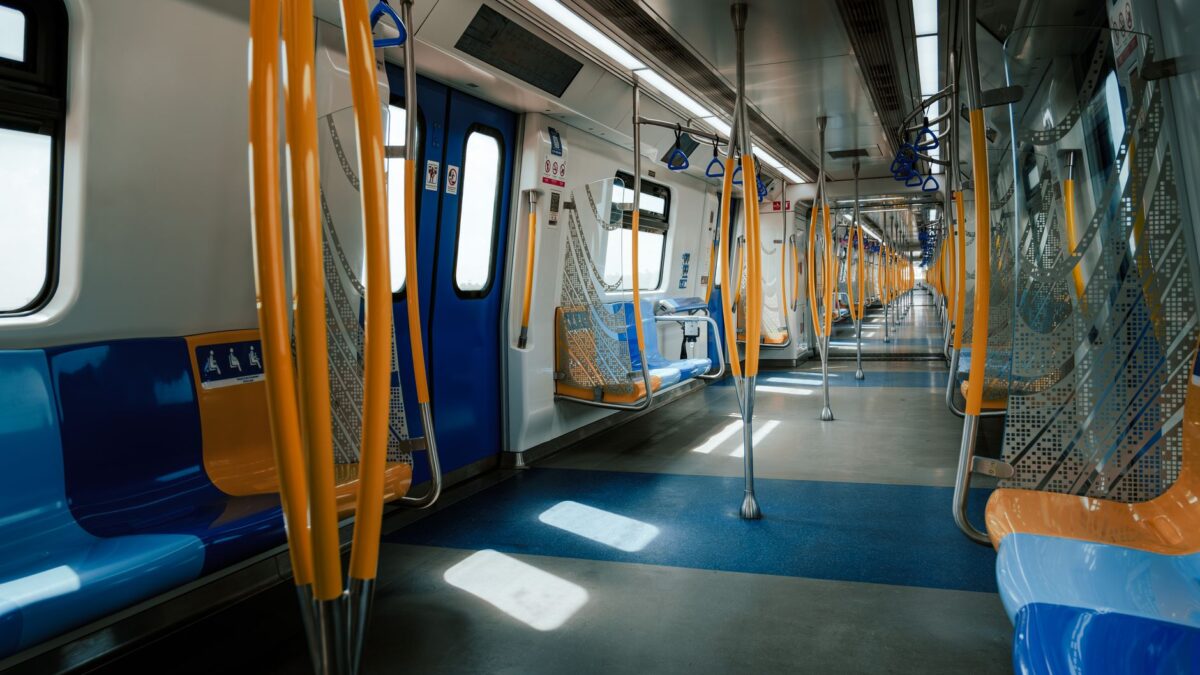
The air in Kuala Lumpur doesn’t just feel hot; it feels heavy, a warm blanket that settles on your shoulders the moment you step out of the air-conditioned mall. Today, the thermometer is flirting with 33°C, but with the humidity pushing the ‘feels like’ temperature toward 39°C, you will understand why locals treat the heat as a physical force to be navigated, not endured. It is mid-September, and while the sky is threatening those characteristic heavy showers—about 8mm of rain has already fallen this morning—the city is buzzing. The tail end of the durian season lingers in the street markets, and the first mooncake lanterns are being strung up for the upcoming festival season. But before you can enjoy a cup of coffee at After One KL or hunt for bargains near UR-MU @ Bukit Bintang, you need to figure out how to move. Getting around KL is an exercise in strategy, blending the efficiency of rail with the chaos of ride-hailing.
The Rail Network: Your Best Friend in the Heat
If there is one rule I tell every visitor, it is this: walk only when you have to, and take the train whenever possible. The Klang Valley’s integrated rail network—comprising the LRT (Light Rail Transit), MRT (Mass Rapid Transit), and KTM Komuter—is your shield against the sun and the sudden tropical downpours. Walking from a station to your destination in this weather is a test of endurance best avoided unless you are heading somewhere very close.
The system is surprisingly affordable. A single trip on the MRT, LRT, or connecting bus will cost you between RM1.20 and RM3.50 (roughly $0.50). This is incredibly cheap compared to Western standards. However, prices shifted slightly at the start of 2026, so daily passes now hover around RM10 rather than the old RM6 rate. For most travelers staying more than a few days, the monthly unlimited transit pass is the smartest financial move. Known as the My50 pass, it costs about RM50 (approximately $11) for Malaysian citizens, covering all rail and bus services in the Klang Valley. If you are not a citizen, the non-citizen rate is roughly RM150, which still works out to be excellent value if you are moving frequently.
You do not need to buy paper tickets anymore. The system is fully contactless. You can use any contactless credit card, a debit card, or a stored-value card like the Touch ‘n Go card, which you can top up at almost any convenience store or ticket machine. Just tap in at the gate, tap out at the exit, and the fare is deducted automatically. It is seamless, provided the machines are working.
Watch Out for Track Works and Disruptions
Kuala Lumpur’s infrastructure is constantly upgrading, which means occasional disruptions. As a local, I check these updates weekly because they affect my commute to places like Gardenman KL or meetings near Bank Negara Malaysia. Right now, there are significant track replacement works happening on the Kelana Jaya LRT line. On Sundays, specifically September 13, 20, and 27, the Gombak and Taman Melati stations will not open until 9:30 AM. During this window, ticket machines are dead, and trains are replaced by free shuttle buses. These phased works are part of a project running through September 2027, so other station clusters will face similar restrictions later. Always check the transit app before planning a Sunday outing.
Furthermore, large events can clog the usual routes. The Federal Territories Pardons Board recently deferred a pardon application, sparking intense public debate that dominated news cycles around mid-September. While this is political news, it translates to heavier traffic and crowded public spaces as people gather or avoid certain areas. Similarly, cultural festivals are pulling crowds into specific hubs. The Malaysia Cultural Festival 2026 is taking over Titiwangsa Lake Gardens from September 11–16, filling the park with heritage food stalls and performances. Parking is tight, and the area is packed, making public transport the only sensible way to visit. Likewise, the Sungei Wang Plaza’s ‘An Autumn Reunion’ campaign is closing Jalan Sultan Ismail in front of the mall from late September 24 to 28 for a massive street festival. Expect detours and increased foot traffic in Bukit Bintang.
Taxis and Ride-Hailing: When the Train Isn’t Enough
Sometimes you need to go where the rails don’t reach, or you are carrying heavy shopping bags from Bunglow37 back to your hotel. In these cases, taxis and ride-hailing apps like Grab are essential. The standard taxi flag-down fare is approximately RM5.00 (about $1.10). Metered taxis are generally honest, but always ensure the meter is running. Ride-hailing offers fixed prices, which can be a relief during surge pricing periods, though wait times may vary.
If you prefer the traditional taxi experience, look for official taxi stands at major malls or hotels. Avoid unsolicited drivers who approach you in the street. For a more luxurious experience, consider the premium services offered by hotels like Ceylonz Starlight Suites Bukit Bintang or D’Majestic Place by Widebed, though these come at a significantly higher cost. Remember, KL remains one of Asia’s more affordable cities for residents, with modest city-center rents around RM2,300–2,500 per month, but tourist-facing transport can add up quickly if you rely solely on private cars.
Walking: The Only Way to Taste the City
Despite my advice to minimize walking in the heat, there are pockets of KL where walking is not just feasible but necessary. The pedestrianized sections of Bukit Bintang, especially during events like the Autumn Music & Cultural Festival, invite you to meander past 50+ food and craft booths. Here, you can sample local delicacies without worrying about crossing busy roads. The area around Aquaria KLCC and the Twin Towers is also designed for foot traffic, with shaded walkways connecting major attractions.
For a quieter stroll, head to the Islamic Arts Museum Malaysia or the National Museum of Malaysia. These sites offer respite from the urban bustle, with wide paths and greenery. If you are feeling adventurous, a short trip to Batu Caves requires a bit of climbing, but the view from the top is worth the sweat. Just remember to carry water and wear light clothing. The city’s layout encourages vertical movement—malls are connected, stations are underground, and hotels like Seeds Hotel Premier Kampung Baru are often within easy reach of multiple transit lines.
KL is a city of contrasts, where ancient temples sit beside modern skyscrapers, and where the hum of traffic blends with the call to prayer. Navigating it requires a mix of planning and flexibility. Use the rail for long distances, embrace the ride-hailing apps for convenience, and walk only when the route is shaded and the destination is worth the effort. And when you stop for a break, grab a cappuccino at LOKL Coffee Co or a fresh loaf of bread from a local bakery—costing around RM4.10–4.40—and watch the city breathe. Whether you are debating politics over dinner at Poblano Kl or simply enjoying the cool breeze of a mall atrium, KL rewards those who know how to move through it. Safe travels, and may your journeys be swift and your fares low.
Frequently asked questions
How much does a monthly transit pass cost in Kuala Lumpur?
The My50 unlimited transit pass costs about RM50 (approx. $11) for Malaysian citizens and RM150 for non-citizens, covering all rail and bus services in the Klang Valley.
Are there any current train disruptions in KL?
Yes, track works on the Kelana Jaya LRT line affect Gombak and Taman Melati stations on Sundays in September, with limited opening hours and shuttle bus replacements.
What is the typical cost of a taxi ride in Kuala Lumpur?
The standard taxi flag-down fare is approximately RM5.00 (about $1.10), with additional charges based on distance traveled via the meter.
Is it safe to walk around Bukit Bintang in September?
Yes, but be prepared for crowds due to events like the Sungei Wang Plaza festival. Stick to pedestrianized zones and be mindful of traffic closures on Jalan Sultan Ismail.
Can I use my credit card for public transport in KL?
Yes, the system is fully contactless. You can tap in and out using any contactless credit or debit card, or use a stored-value card like Touch 'n Go.


