


Malaysia Travel Podcast with Aisyah Rahman
Hosted by Aisyah Rahman — a new episode every day from Malaysia.
This podcast travels through Malaysia the way a resident might: staying somewhere long enough to learn its pace, then moving on along a connected route. Malaysia’s distinctiveness lies in its double geography — the Malay Peninsula, where most people live, and the states on Borneo — linked by histories of maritime trade through the Strait of Malacca.
The host’s range extends from the capital Kuala Lumpur south to Johor Bahru on the causeway to Singapore, then north through old tin-mining Ipoh towards the coast. It also crosses the South China Sea to Kuching in Sarawak, where the rivers and longhouses of the interior are a different world from the peninsula’s hills and highlands.
As the show unfolds, it follows the turning calendar: the southwest monsoon from April to October, the northeast monsoon that brings the east coast rains from October to February. The host returns to places across that rhythm, after floods, after festivals, after crowds have gone, building up a quiet sense of how one town connects to the next.
Recent episodes
Things to do in Malaysia
 Countryside Cycling Tour. T1.0 by Matahari
 Half-Day Mangrove Kayaking in Langkawi
 Full Day Flexi Private Tour in Penang Island with Pickup
 Market Visit & Private Hands-on Cooking Class at Daun Senja
 Half-Day Geopark Mangrove Kayaking Adventure
 Back of the Bike Street Food Experience – Real Penang!
 3-Hour Heritage on a Plate Lunch Hop in George Town Penang
 Magical Brooklyn Cruise at Puteri Harbour
Plan your trip to Malaysia
Getting around
Staying connected
Malaysia at a glance
Malaysia in depth
Reference data on the country — geography, people, history, economy and transport.
Geography and climate
Location
Southeastern Asia, peninsula bordering Thailand and northern one-third of the island of Borneo, bordering Indonesia, Brunei, and the South China Sea, south of Vietnam
Terrain
Coastal plains rising to hills and mountains
Climate
Tropical; annual southwest (April to October) and northeast (October to February) monsoons
Elevation
- Highest point
- Gunung Kinabalu 4,095 m
- Lowest point
- Indian Ocean 0 m
- Mean elevation
- 419 m
Area
- Total
- 329,847 sq km
- Land
- 328,657 sq km
- Water
- 1,190 sq km
Size comparison
Slightly larger than New Mexico
Coastline
4,675 km (Peninsular Malaysia 2,068 km; East Malaysia 2,607 km)
Land borders
- Total
- 2,742 km
- Border countries
- Brunei 266 km; Indonesia 1,881 km; Thailand 595 km
Natural resources
Tin, petroleum, timber, copper, iron ore, natural gas, bauxite
Land use
- Agricultural land
- 26.1% (2023 est.)
- Arable land
- 2.4% (2023 est.)
- Permanent crops
- 22.7% (2023 est.)
- Permanent pasture
- 0.9% (2023 est.)
- Forest
- 57.8% (2023 est.)
- Other
- 16% (2023 est.)
Natural hazards
Flooding; landslides; forest fires
Note
Strategic location along Strait of Malacca and southern South China Sea
People and society
Population
- Total
- 34,905,275 (2025 est.)
- Male
- 17,833,074
- Female
- 17,072,201
Nationality
- Noun
- Malaysian(s)
- Adjective
- Malaysian
Ethnic groups
Bumiputera 63.8% (Malay 52.8% and indigenous peoples, including Orang Asli, Dayak, Anak Negeri, 11%), Chinese 20.6%, Indian 6%, other 0.6%, non-citizens 9% (2023 est.)
Languages
- Languages
- Bahasa Malaysia (official), English, Chinese (Cantonese, Mandarin, Hokkien, Hakka, Hainan, Foochow), Tamil, Telugu, Malayalam, Panjabi, Thai
- Major-language sample(s)
- Buku Fakta Dunia, sumber yang diperlukan untuk maklumat asas. (Bahasa Malaysia)
Religions
Muslim (official) 63.5%, Buddhist 18.7%, Christian 9.1%, Hindu 6.1%, other (Confucianism, Taoism, other traditional Chinese religions) 0.9%, none/unspecified 1.8% (2020 est.)
Median age
- Total
- 32.2 years (2025 est.)
- Male
- 31.7 years
- Female
- 31.9 years
Life expectancy
- Total population
- 76.6 years (2024 est.)
- Male
- 75 years
- Female
- 78.4 years
Urbanisation
- Urban population
- 78.7% of total population (2023)
- Rate of urbanization
- 1.87% annual rate of change (2020-25 est.)
Where people live
A highly uneven distribution, with over 80% of the population residing on the Malay Peninsula
Largest cities
8.622 million KUALA LUMPUR (capital), 1.086 million Johor Bahru, 857,000 Ipoh (2023)
Background and government
Background
Malaysia’s location has long made it an important cultural, economic, historical, social, and trade link between the islands of Southeast Asia and the mainland. Through the Strait of Malacca, which separates the Malay Peninsula from the archipelago, flowed maritime trade and with it influences from China, India, the Middle East, and the east coast of Africa. Prior to the 14th century, several powerful maritime empires existed in what is modern-day Malaysia, including the Srivijayan, which controlled much of the southern part of the peninsula between the 7th and 13th centuries, and the Majapahit Empire, which took control over most of the peninsula and the Malay Archipelago between the 13th and 14th centuries. The adoption of Islam between the 13th and 17th centuries also saw the rise of a number of powerful maritime states and sultanates on the Malay Peninsula and the island of Borneo, such as the port city of Malacca (Melaka), which at its height in the 15th century had a navy and hosted thousands of Chinese, Arab, Persian, and Indian merchants.
The Portuguese in the 16th century and the Dutch in the 17th century were the first European colonial powers to establish themselves on the Malay Peninsula and in Southeast Asia. However, it was the British who ultimately secured hegemony across the territory and during the late 18th and 19th centuries established colonies and protectorates in the area that is now Malaysia. Japan occupied these holdings from 1942 to 1945. In 1948, the British-ruled territories on the Malay Peninsula (except Singapore) formed the Federation of Malaya, which became independent in 1957. Malaysia was formed in 1963 when the former British colonies of Singapore, as well as Sabah and Sarawak on the northern coast of Borneo, joined the Federation.
A communist insurgency, confrontations with Indonesia, Philippine claims to Sabah, and Singapore's expulsion in 1965 marred the first several years of the country's independence. During the 22-year term of Prime Minister MAHATHIR Mohamad (1981-2003), Malaysia was successful in diversifying its economy from dependence on exports of raw materials to the development of manufacturing, services, and tourism. Former Prime Minister MAHATHIR and a newly formed coalition of opposition parties defeated Prime Minister Mohamed NAJIB bin Abdul Razak's United Malays National Organization (UMNO) in 2018, ending over 60 years of uninterrupted UMNO rule. From 2018-2022, Malaysia underwent considerable political upheaval, with a succession of coalition governments holding power. Following legislative elections in 2022, ANWAR Ibrahim was appointed prime minister after more than 20 years in opposition. His political coalition, Pakatan Harapan (PH), joined its longtime UNMO rival to form a government, but the two groups have remained deeply divided on many issues.
Government
Federal parliamentary constitutional monarchy
Capital
Kuala Lumpur
Time zone
UTC+8 (13 hours ahead of Washington, DC, during Standard Time)
Local name
None
Independence
31 August 1957 (from the UK)
National day
Independence Day (or Merdeka Day), 31 August (1957) (independence of Malaya); Malaysia Day, 16 September (1963) (formation of Malaysia)
Economy and cost of living
Overview
Upper middle-income Southeast Asian economy; implementing key anticorruption policies; major electronics, oil, and chemicals exporter; trade sector employs over 40% of jobs; key economic equity initiative; high labor productivity
GDP per capita
- Real GDP per capita 2024
- $34,100 (2024 est.)
- Real GDP per capita 2023
- $32,800 (2023 est.)
- Real GDP per capita 2022
- $32,100 (2022 est.)
Inflation
- Inflation rate (consumer prices) 2024
- 1.8% (2024 est.)
- Inflation rate (consumer prices) 2023
- 2.5% (2023 est.)
- Inflation rate (consumer prices) 2022
- 3.4% (2022 est.)
Unemployment
- Unemployment rate 2024
- 3.9% (2024 est.)
- Unemployment rate 2023
- 3.9% (2023 est.)
- Unemployment rate 2022
- 4% (2022 est.)
Exchange rate
- Currency
- Ringgits (MYR) per US dollar -
- Exchange rates 2024
- 4.576 (2024 est.)
- Exchange rates 2023
- 4.561 (2023 est.)
- Exchange rates 2022
- 4.401 (2022 est.)
- Exchange rates 2021
- 4.143 (2021 est.)
- Exchange rates 2020
- 4.203 (2020 est.)
Main industries
Peninsular Malaysia - rubber and oil palm processing and manufacturing, petroleum and natural gas, light manufacturing, pharmaceuticals, medical technology, electronics and semiconductors, timber processing; Sabah - logging, petroleum and natural gas production; Sarawak - agriculture processing, petroleum and natural gas production, logging
Agriculture
Oil palm fruit, rice, chicken, eggs, tropical fruits, coconuts, vegetables, pineapples, rubber, bananas (2023)
Transport and connectivity
Airports
100 (2025)
Railways
- Total
- 1,851 km (2014)
- Standard gauge
- 59 km (2014) 1.435-m gauge (59 km electrified)
- Narrow gauge
- 1,792 km (2014) 1.000-m gauge (339 km electrified)
Ports
- Total ports
- 35 (2024)
- Large
- 3
- Medium
- 4
- Small
- 10
- Very small
- 18
- Ports with oil terminals
- 24
- Key ports
- Johor, Kota Kinabalu, Port Dickson, Port Klang, Pulau Pinang, Tanjung Pelepas, Tapis Marine Terminal A
Internet domain
.my
Internet users
Percent of population 98% (2023 est.)
Mobile subscriptions
- Total subscriptions
- 49.7 million (2024 est.)
- Subscriptions per 100 inhabitants
- 140 (2024 est.)
Environment
Environmental issues
Air pollution from industrial and vehicular emissions; water pollution from raw sewage; deforestation; smoke/haze from Indonesian forest fires; endangered species; coastal reclamation damaging mangroves and turtle nesting sites
Fresh water
580 billion cubic meters (2022 est.)
UNESCO Global Geoparks
- Total global geoparks and regional networks
- 2
- Global geoparks and regional networks
- Kinabalu; Langkawi (2023)
Country reference figures are periodically revised. Check anything time-sensitive or safety-critical against an official source before you travel.
Malaysia travel guides
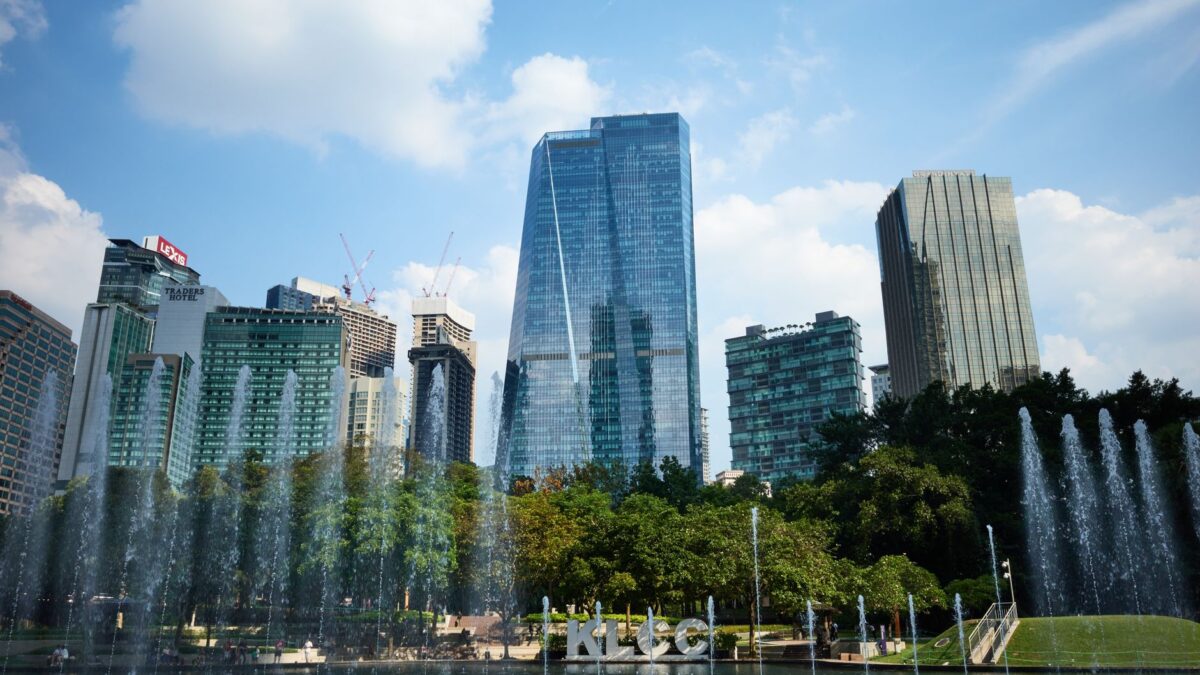 News & Updates
Malaysia in September 2026: what travelers should know now
Malaysia travel briefing for September 2026: weather, Kelana Jaya LRT disruptions, Titiwangsa Festival, and essential costs.
 News & Updates
Malaysia in August 2026: what travelers should know now
Malaysia in August 2026: durian season, concerts, and LRT3 updates. Your local guide to what's happening in KL this month, from costs to practical…
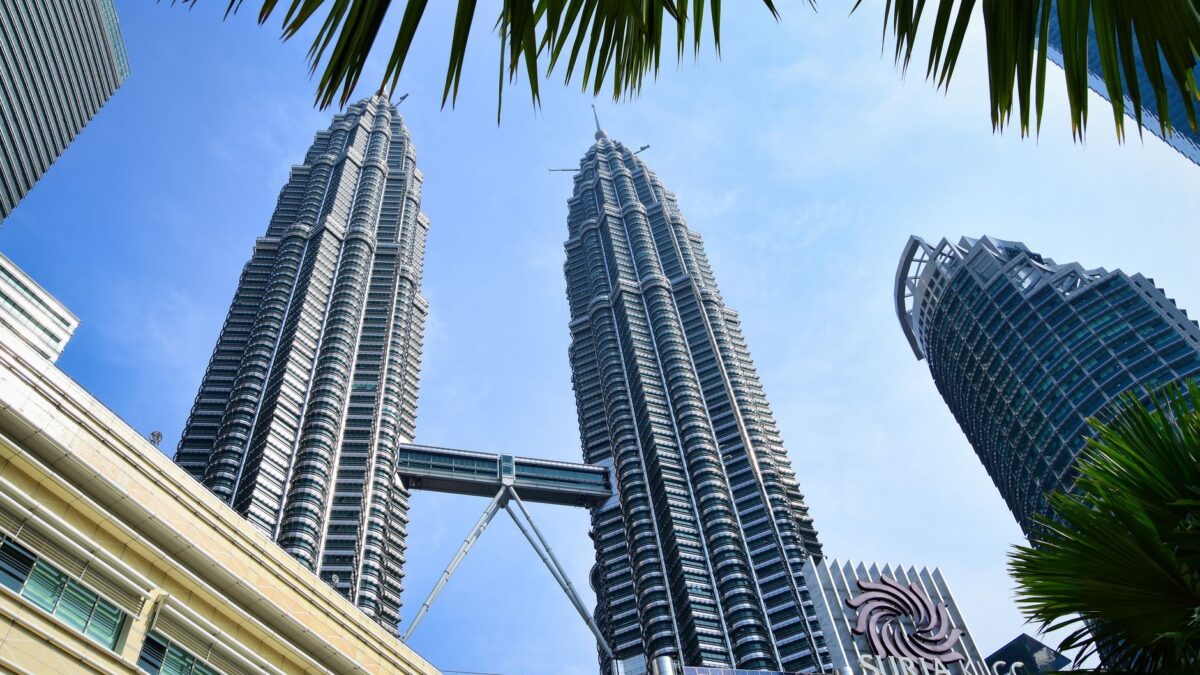 Travel Tips
A first-timer’s guide to Malaysia
Plan your first trip to Malaysia with local tips on weather, costs, transport, visas, and neighbourhoods. Eat well for RM10 and see the best…
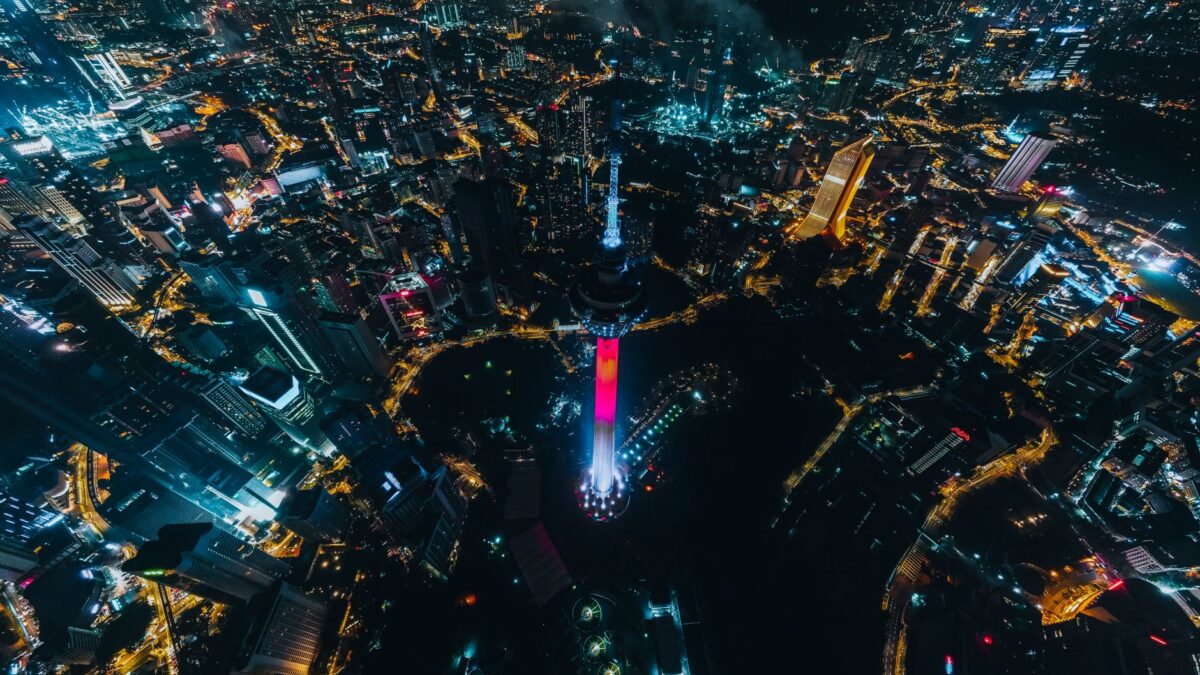 Travel Tips
The best time to visit Malaysia
Discover the best time to visit Malaysia, from KL's patriotic August to the monsoon's foodie bliss. A local's guide to seasons, prices, and festivals.
Southeast Asia
 Thailand
Thailand Travel Podcast with Ploy Siriwan
The southwest monsoon brings rain and cloud from mid-May to September, shaping travel across the central plain and the mountains.
 Vietnam
Vietnam Travel Podcast with Linh Nguyen
The monsoon climate of northern Vietnam brings a hot, rainy season from May to September and a warm, dry season from October…
 Indonesia
Indonesia Travel Podcast with Bayu Pratama
The island of Java, one of the most densely populated places on earth, is the demographic heart of the Indonesian archipelago.
 Singapore
Singapore Travel Podcast with Rachel Tan
The northeastern monsoon, from December to March, brings wet weather that shapes daily life across Singapore's lowlying central plateau and its urbanised…