Getting around Ljubljana: metros, taxis and passes
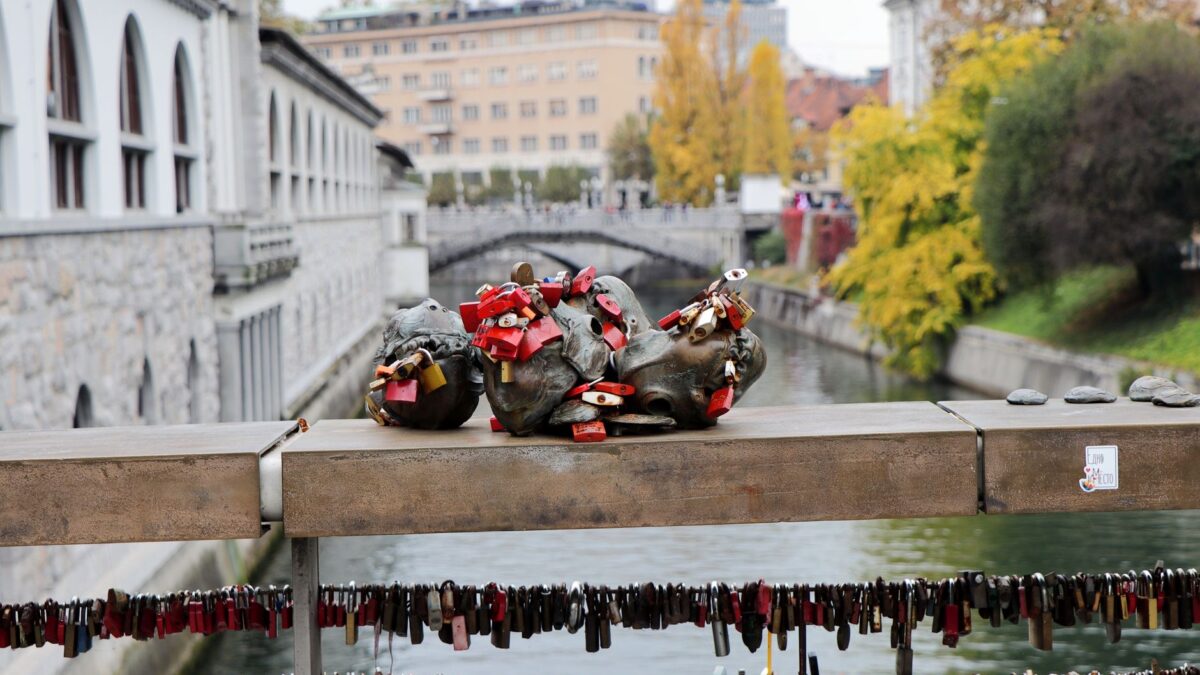
It is early October in Ljubljana, and the air carries that distinct, damp chill of autumn settling into the limestone. Fog clings to the Tivoli Park hills while golden beech leaves carpet the paths. If you are standing on Prešeren Square right now, you might feel a sudden drop in temperature as a thunderstorm brews over the Julian Alps—roughly 54mm of rain expected today—but do not let it deter you. The city is alive, not with the chaotic energy of Paris or Tokyo, but with a quiet, deliberate rhythm. Getting around here does not require a map or a metro ticket; it requires a willingness to walk until your legs ache and then reward yourself with a coffee at Kavarna SEM lounge bar.
The Myth of the Metro
First, let us dispel a common confusion among travelers arriving from larger European hubs: Ljubljana has no metro. There are no underground trains rumbling beneath the cobblestones. The city’s public transit backbone consists entirely of buses run by LPP (Ljubljansko potniško prometo). While this might sound like a downgrade if you are used to subways, for a city of roughly 272,000 people, it is actually a feature, not a bug. The network is dense, clean, and designed to connect the residential districts to the pedestrianized center without the hassle of parking.
If you are staying in the Center district, near the Triple Bridge or the Old Town, you likely will not need a bus for days. The entire historic core is a car-free zone established in 2007. You can stroll from the Dragon Bridge, with its copper dragons glinting in the gray light, all the way to the Central Market without crossing a street with a single moving car. However, if you are heading north to Bežigrad or south toward Vič, the buses become essential. They are frequent, reliable, and integrate seamlessly into the urban fabric.
Navigating the Fares and Passes
Payment on LPP buses is straightforward but requires preparation. You cannot pay the driver with cash. Instead, you must use the ‘Urbana’ smart card. This is an anonymous yellow value card that costs about €2 to purchase initially. You can top it up at kiosks, post offices, tourist information centers, or using the self-service ‘Urbanomat’ machines found at major stops. As of October 1, 2025, the system operates on a single-zone fare structure for the city.
A single journey with free transfers within 90 minutes costs approximately €1.30 to €1.50 depending on specific card promotions, though standard fares hover around €1.50. For most visitors, buying individual tickets is fine, but if you plan to move around significantly, a monthly general ticket is available for about €37. That is a modest sum, especially when compared to rents, which sit around €700–€900 for a modest one-bedroom flat in the center. It is worth noting that the castle funicular also accepts Urbana cards, making it another affordable option if you prefer not to hike up the wooded path from Krekov Square.
For those venturing beyond the city limits, there is the national IJPP integrated ticket, but for daily life within Ljubljana, the Urbana card is your best friend. It is contactless, easy to reload, and removes the friction of figuring out change. If you find yourself stuck without cash, many kiosks accept card payments, but having a few euros for small purchases like a loaf of fresh white bread (roughly €1.99) or milk (€1.22) is always wise.
Taxis, Ride-Hailing, and the Bike Alternative
When the rain turns heavy or the fog makes walking less appealing, taxis are readily available. However, ride-hailing apps like Uber operate differently here than in other capitals. Local taxi companies dominate the scene. Hailing one on the street is difficult during peak hours, so using a local app or calling ahead is recommended. Expect to pay Western-European prices; a short ride across town might set you back €10–€15, which is steep if you have just paid €3.50 for a local draft beer at a nearby pub.
But here is the local secret: Ljubljana is arguably one of the most bike-friendly cities in Europe. The city offers ‘BicikeLJ’, a bike-share system where you can rent a bike for about €1 per week, with the first hour free. The routes are flat, and the dedicated lanes protect cyclists from the occasional car that still dares to enter the center. Alternatively, in the pedestrian zone, you will see free electric ‘Kavalir’ carts. These are perfect for zipping between the National Gallery and Metelkova Mesto, the city’s alternative nightlife hub, without breaking a sweat.
When Walking Beats All Other Options
I cannot stress this enough: walking is not just a mode of transport in Ljubljana; it is the primary way to experience the city. Jože Plečnik, the architect who reshaped Ljubljana in the interwar years, designed the city for pedestrians. His influence is visible everywhere, from the colonnades at the Central Market to the black-marble columns of the National and University Library (NUK), part of the 2021 UNESCO listing.
Start your day at the Central Market on Vodnik Square. Buy some roast chestnuts or apple must from the street stands. Walk along the Ljubljanica riverbanks, passing under the Triple Bridge and toward the Castle. The climb to Ljubljana Castle takes about 10–15 minutes via the wooded path, offering views of the city’s red roofs and the green belt of Tivoli Park. If you are tired, take the funicular. If you are hungry, stop at Slovenska hiša Ljubljančanka for a traditional meal costing around €14 for an inexpensive dish.
In the evenings, wander toward Metelkova. Once a squat, now a cultural center, it is where the city’s creative pulse beats loudest. You can grab a cappuccino for €2.20–€2.60 at Le Petit Cafe before heading to a concert or club. The distance between these points is negligible by foot, yet massive in terms of atmosphere. Driving here is often more stressful than taking a bus or walking, given the narrow streets and limited parking in the historic districts.
Practical Tips for the Modern Visitor
As you navigate the city, keep in mind that Ljubljana is in the Schengen Area and uses the euro. Safety is high, with low crime rates, but standard pickpocket caution applies around the market and bridges. If you are staying longer, remember that registration at your accommodation is mandatory within eight days. Most hotels and hostels handle this, but if you are renting a private apartment, ensure your landlord completes the ‘prijava’ process.
Also, be aware of current events. With the European Table Tennis Championships happening at Stožice Sports Park Arena later this month, traffic patterns may shift slightly. Additionally, the main bus station is currently operating from a temporary site on Masarykova cesta due to railway redevelopment, so double-check your departure point if you are leaving the city. Despite these logistical quirks, Ljubljana remains a place where you can lose yourself in its layers of history, art, and nature, only to find your way back easily, one step at a time.
Frequently asked questions
Does Ljubljana have a metro system?
No, Ljubljana does not have a metro or subway system. Public transportation is provided by a comprehensive network of buses operated by LPP.
How much does a monthly public transport pass cost in Ljubljana?
A monthly general transit pass costs approximately €37. Single rides with 90-minute transfers are around €1.30 to €1.50 using an Urbana smart card.
Can I use credit cards on Ljubljana buses?
No, you cannot pay drivers with cash or cards on board. You must use an Urbana smart card, which can be topped up at kiosks, post offices, and Urbanomat machines.
Is it safe to walk around Ljubljana at night?
Yes, Ljubljana has a very low crime rate and is generally safe day and night. The city center is heavily pedestrianized and well-lit, though standard pickpocket caution is advised at markets and bridges.
Where is the main bus station located currently?
Due to ongoing railway station redevelopment, the main bus station is temporarily located on Masarykova cesta. Intercity lines start and end there until further notice.


