

Getting around Singapore: metros, taxis and passes
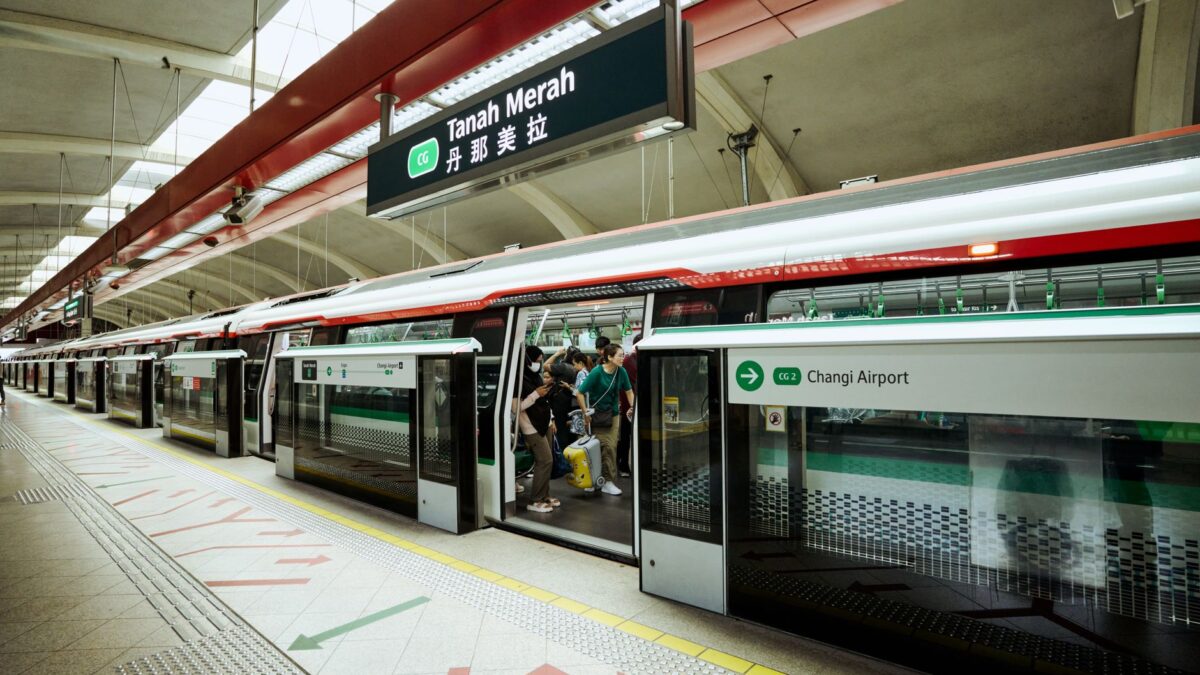
The humidity hits you first—a warm, wet blanket that feels like stepping into a steam room set to 39°C. It is early October, the inter-monsoon period, and Singapore is vibrating with energy. The scent of diesel and rain mixes with the sweet aroma of roasting coffee beans drifting from a nearby kopitiam. You are standing on a street corner, phone in hand, trying to decide whether to hail a cab, tap your card for the train, or just start walking. For locals, this decision is second nature, but for visitors, it can feel like navigating a maze. Here is how we actually move around this island city-state.
Mastering the MRT: Your Lifeline
The Mass Rapid Transit (MRT) system is the backbone of Singapore. It is clean, air-conditioned (a mercy when the outside temperature is 33°C), and runs with Swiss-like precision. As a local, I spend most of my weekdays on the Circle Line or the Downtown Line, commuting between districts. The network covers almost every corner of the island, from the colonial heritage of the Civic District to the seaside charm of Katong.
Payment is seamless thanks to the SimplyGo system. You do not need to buy a paper ticket. You can tap a contactless Visa, Mastercard, or Amex bank card directly at the gate. If you prefer a stored-value card, an EZ-Link card costs about S$10 (S$5 card fee + S$5 credit). There is also the Singapore Tourist Pass for 1–3 days of unlimited rides if you plan to be constantly on the move. A crucial tip for budget travelers: there is a 45-minute transfer window. If you switch from bus to MRT (or vice versa) within 45 minutes, your second leg is free. This makes combining public transport modes incredibly cheap.
However, the system is not perfect everywhere. If you live in or visit Sengkang, be aware that the West LRT inner loop via Cheng Lim is currently closed for depot expansion works until mid-October. Only the Renjong loop operates, with shuttle buses running during peak hours. It is a daily hassle for residents, so check the Land Transport Authority (LTA) updates if your itinerary involves that area.
The Cost of Moving: Fares and Passes
Singapore is expensive, particularly for housing and cars, but getting around on public transit remains surprisingly affordable compared to other global financial hubs. A single adult MRT or bus ride for a typical 14 km trip costs about S$2.02. Compare that to the cost of a meal at a mid-range restaurant, which runs S$25–40 per person, and the value becomes clear.
If you are staying long-term, the Monthly Adult Transit Pass (PTC) offers unlimited bus and MRT rides for S$122. This was introduced recently and is a game-changer for those who commute daily. For shorter stays, paying per ride is often cheaper unless you are crisscrossing the island multiple times a day. Remember, buses no longer accept cash. You must have a valid payment method tapped at the reader before boarding.
While transit is cheap, dining does not have to be expensive either. A plate of Hainanese chicken rice at a hawker centre, like the famous Maxwell Food Centre in Chinatown, will set you back roughly S$4.50–7. Even a bowl of Laksa or Char Kway Teow averages around S$5. These hawker centres keep everyday food accessible, even as prices trend slightly upward from pre-pandemic levels.
Taxis and Ride-Hailing: When the Heat Gets Too Much
Sometimes, the heat is too much, or you are carrying heavy shopping bags from Orchard Road. That is when you call a taxi or use a ride-hailing app like Grab. Taxis are metered and generally reliable, though traffic jams in the Central Business District (CBD) around Raffles Place can make fares climb quickly. During special events, surge pricing applies.
This week, for instance, the city is alive with activity. The Formula 1 Singapore Airlines Grand Prix takes over Marina Bay from October 9–11. The streets around the circuit are congested, and ride-hailing demand spikes. Similarly, the Joo Chiat Car-Free Day on October 3 closes a stretch of road for a street party, causing diversions. If you are heading to these events, book your ride early or rely on the MRT, which will run extended hours on event nights.
For a more relaxed experience, consider the night scene. Areas like Clarke Quay and Boat Quay come alive with nightlife. Hotels like Hmlet Clarke Quay (formerly Habyt) are centrally located, making it easy to walk or take a short cab ride to dinner spots like MERCI MARCEL CLUB STREET or Lazy Lizard – The Promenade. Just remember, drinking and driving laws are strictly enforced here.
Walking: The Best Way to See the City
I cannot stress enough how much you should walk. Singapore is one of the few cities where you can hop from a futuristic garden to a colonial museum in under ten minutes. The weather is hot, but the sidewalks are shaded by lush trees and covered linkways in many areas.
Start at Marina Bay Sands and the SkyPark Observation Deck for a 360-degree view, then walk down to Gardens by the Bay. The Supertree Grove is free to enter, and you can catch the nightly Garden Rhapsody light show. From there, it is a short stroll to the National Gallery Singapore, housed in the former City Hall and Supreme Court. The architecture alone is worth the walk.
In Chinatown, wander past the Buddha Tooth Relic Temple and the Sri Mariamman Temple. The density of historic sites here is overwhelming in the best way. During the Mid-Autumn Festival (running through October 20), thousands of lanterns illuminate the streets, creating a magical atmosphere. Don’t miss the Chinatown Complex Hawker Centre for lunch; it is a cultural experience as much as a meal.
For a change of pace, head to Kampong Glam (Kampong Glam). The Malay-Arab quarter is anchored by the Sultan Mosque with its golden dome. Wander down Arab Street for textiles and Haji Lane for boutique shops and street art. It is a vibrant, photogenic neighborhood that feels worlds away from the CBD.
Another essential walk is through Tiong Bahru. This district features Singapore’s first planned public housing estate, with stunning 1930s Streamline Moderne Art Deco flats. Curved balconies overlook indie bookshops and brunch cafés. It is a favorite spot for locals seeking a slower pace. End your walk at Tiong Bahru Market & Food Centre for a roti prata (plain, one piece is about S$2.20) or a cup of kopi (local coffee) from S$1.40.
Practical Tips for Smooth Travel
Safety is high, but rules are strict. Do not eat or drink on the MRT; you will face on-the-spot fines. Jaywalking is also penalized. Drug laws are severe, with trafficking carrying the death penalty. Respect these regulations, and you will have a trouble-free stay.
For connectivity, grab a prepaid SIM from Singtel, StarHub, or M1 at Changi Airport upon arrival. Register it with your passport immediately. You will need internet for maps and ride-hailing apps. Also, download the SG Arrival Card form online within three days of arrival—it is free and mandatory for all entrants.
Finally, embrace the mix. Use the MRT for long distances, walk for discovery, and take a taxi when the humidity wins. Singapore rewards those who take their time to explore its diverse neighborhoods, from the Peranakan shophouses of Katong to the rainforests of Bukit Timah Nature Reserve. Enjoy the rhythm of the city.
Frequently asked questions
How much does a single MRT ride cost in Singapore?
A single adult MRT or bus ride for a typical 14 km trip costs about S$2.02 using a contactless card or EZ-Link.
Is there a monthly transit pass for unlimited travel?
Yes, the Monthly Adult Transit Pass (PTC) offers unlimited bus and MRT rides for S$122, available from late December 2025.
Can I pay for buses with cash?
No, buses no longer accept cash. You must tap a contactless bank card, mobile wallet, or EZ-Link card at the reader before boarding.
Are there any current MRT disruptions to watch out for?
The Sengkang West LRT inner loop via Cheng Lim is closed for depot expansion until October 18, 2026, with shuttle buses replacing service.
What is the best way to handle the Singapore heat while traveling?
Use the air-conditioned MRT for long distances, walk during cooler mornings/evenings, and utilize covered linkways. Carry water and dress lightly.
Things to do in Singapore
 Singapore Light to Night Bike Tour
 Private Custom Singapore Walking Tour (4–8 Hrs, Flexible Plan)
 Private Tour: Sightseeing Daytrip to Johor Bahru from Singapore
 Private Singapore Food Tour: Culture & Local Neighborhoods
 Private Singapore Walking Tour: History, Culture & Local Insights
 Beyond Michelin: Chinatown Hawker Food Tour with 8 Tastings