
Getting around Sofia: metros, taxis and passes
September in Sofia has a specific rhythm. The air cools from the mid-20s to a crisp 12–21°C, and the city exhales after the summer rush. As Independence Day approaches on September 22, the streets are filling up again with locals who have spent their holidays by the Black Sea or in the mountains. If you are here to explore the layered history of Serdica or simply to navigate the steep hills of Vitosha Boulevard, knowing how to move is half the battle. Sofia is compact but hilly, and while it is one of the most affordable capitals in Europe, its transport system requires a bit of local know-how to navigate efficiently.
The Metro: Your Fastest Link
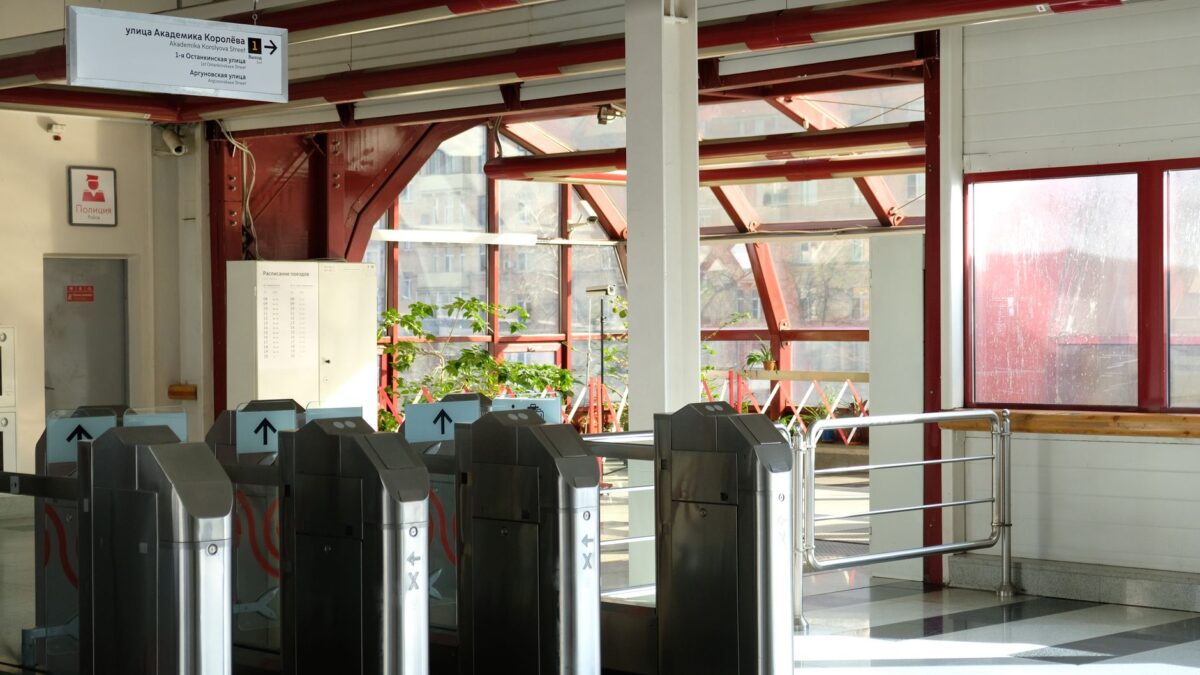
Sofia’s metro is clean, safe, and surprisingly extensive for a capital of just over 1.15 million people. There are four lines (M1–M4), and they cover the vast majority of tourist and business hubs. The M4 line takes you directly to Sofia Airport in about 18–30 minutes, which is the first thing most visitors need to know.
A crucial update for late September: As we shift into the autumn schedule, services often adjust slightly before the school year fully kicks in. More importantly, there is ongoing construction between Slivnitsa and Obelya stations to build a new stop on bul. Pancho Vladigerov. Until January 2027, metro service on this segment is suspended, replaced by buses (including line 31). If your route involves these western termini, check the real-time boards or the Center for Urban Mobility app before heading out.
Fares are straightforward. A single ticket costs about 1.60 BGN (roughly €0.80), which allows for unlimited transfers within 30 minutes across metros, trams, and buses. You can pay with cash at machines, but the easiest way is to tap your contactless bank card directly at the gate. This caps your daily spending at about 4 BGN, making it incredibly cheap even if you make multiple trips.
Trams, Buses, and the City Card
If you are staying longer than a few days, skip the single tickets. Get a Sofia City Card (or the paper Ultralight version) from any metro ticket desk. These rechargeable cards cost around 1.50 EUR to buy, but you load them with value. For daily movement, a day pass is about 4 BGN, a 24-hour pass 6 BGN, and a 72-hour pass 15 BGN. If you live here, a personalized monthly all-transport pass is about 50 BGN.
Watch out for roadworks. Currently, tram tracks on boulevard Knyaginya Maria Luiza (between Opalchenska and Kozloduy) are being reconstructed. Trams 3, 4, 6, and 7, along with several bus lines, are rerouting through Central Station. It adds a few minutes to your trip, but it keeps the city moving.
Buses fill the gaps the metro misses, especially in the sprawling residential districts like Mladost or the diplomatic enclave of Geo Milev. They are reliable, and the drivers generally speak enough English to understand where you want to go if you point to a map.
Taxis and Ride-Hailing
Taxis are ubiquitous, but not all are created equal. Hail one off the street only if you are certain it is a reputable company. The safest bet is to use Bolt, the dominant ride-hailing app in Bulgaria. It is transparent, cashless, and usually cheaper than flag-falling taxis. A short ride across town might cost about 9.50 BGN, while an 8-kilometer trip could run 14 BGN. Base fares are low, around 2 BGN, so you aren’t paying much for the privilege of starting the meter.
Avoid unmarked cars offering rides at the airport or train station. Stick to Bolt or recognized companies like OK Supertrans or Yellow Lines. In winter (December 1 to March 1), remember that winter tires are legally required, so if you are taking a taxi up Vitosha mountain in January, ensure the vehicle is equipped properly.
When Walking Beats All
Sofia is best experienced on foot, particularly in the center. The area around Patriarchal Cathedral St. Alexander Nevsky, the Central Sofia Market Hall, and the Triangle of Religious Tolerance (Mosque, Synagogue, Cathedral) is dense with history and very walkable. You can see Roman ruins beneath the Serdika metro station without even leaving the platform.
In September, walking along Vitosha Boulevard is a ritual. It is lined with cafés like Izzy’s Coffee or Martines Specialty Coffee Shop & Roastery Sofia. Grab a cappuccino (about 3.50 BGN) and stroll south toward the mountain. The air is cleaner, and the view of the peaks is constant.
For a quieter walk, head to Lozenets, the upscale district near the National Palace of Culture (NDK). It is leafy, home to many embassies, and sits right next to South Park. Or take the cable car from the bottom of Vitosha up to Cherni Vrah summit. It costs very little and offers a panoramic view of the entire city basin.
Practical Tips for the Season
As we approach Independence Day, expect some road closures around Arena 8888 due to the EuroVolley 2026 men’s championship. Parking bans will be enforced near bul. Asen Yordanov during matches. Plan your transit routes accordingly.
Also, keep an eye on your wallet. While prices are stable, the euro changeover was managed with downward rounding for essentials like transit. However, rent and hospitality sectors may show slight drift. A meal at an inexpensive local place (trapeza) is still about 15 BGN. A beer in a pub is 4.30 BGN. You can eat well for very little money.
Finally, if you are staying long-term, register your address (adresna registratsia) with the police. Non-EU foreigners get an LNCH number, which is essential for opening a bank account with institutions like UniCredit Bulbank or DSK Bank. Without it, daily life becomes harder. But for visitors, the Sofia City Card and Bolt are all you need to conquer the city.
Frequently asked questions
How much does a metro ticket cost in Sofia?
A single transfer ticket is about 1.60 BGN (€0.80). You can also tap your contactless bank card at the gate, which caps daily spending at about 4 BGN.
Is it safe to take taxis in Sofia?
Yes, but use the Bolt app for transparency and fixed pricing. Avoid unmarked cars; reputable companies include OK Supertrans and Yellow Lines.
Are there any current metro disruptions?
Yes, service is suspended between Slivnitsa and Obelya until January 2027 for construction. Replacement buses (line 31) operate on this segment.
What is the best way to pay for public transport?
Buy a Sofia City Card and load it with a day pass (4 BGN) or 72-hour pass (15 BGN). Contactless bank card taps are also accepted and capped daily.
Can I walk around the city center easily?
Absolutely. The area around St. Alexander Nevsky Cathedral, the Market Hall, and Vitosha Boulevard is highly walkable and ideal for September weather.
Things to do in Bulgaria
 Borovets: Private Ski or Snowboard Tuition
 Half Day Tour around Sofia and the mountains with Thermal Spa
 Food Walk: Bulgarian Food and Culture Tour in Plovdiv
 Sofia Discount Card – Balloon Flights, ATV, Spa, 70+ Experiences
 Private Wine Tasting in the UNESCO town of Nessebar
 Plovdiv, Asen's Fortress and Bachkovo Monastery small group tour with pickup