

Getting around Suva: metros, taxis and passes
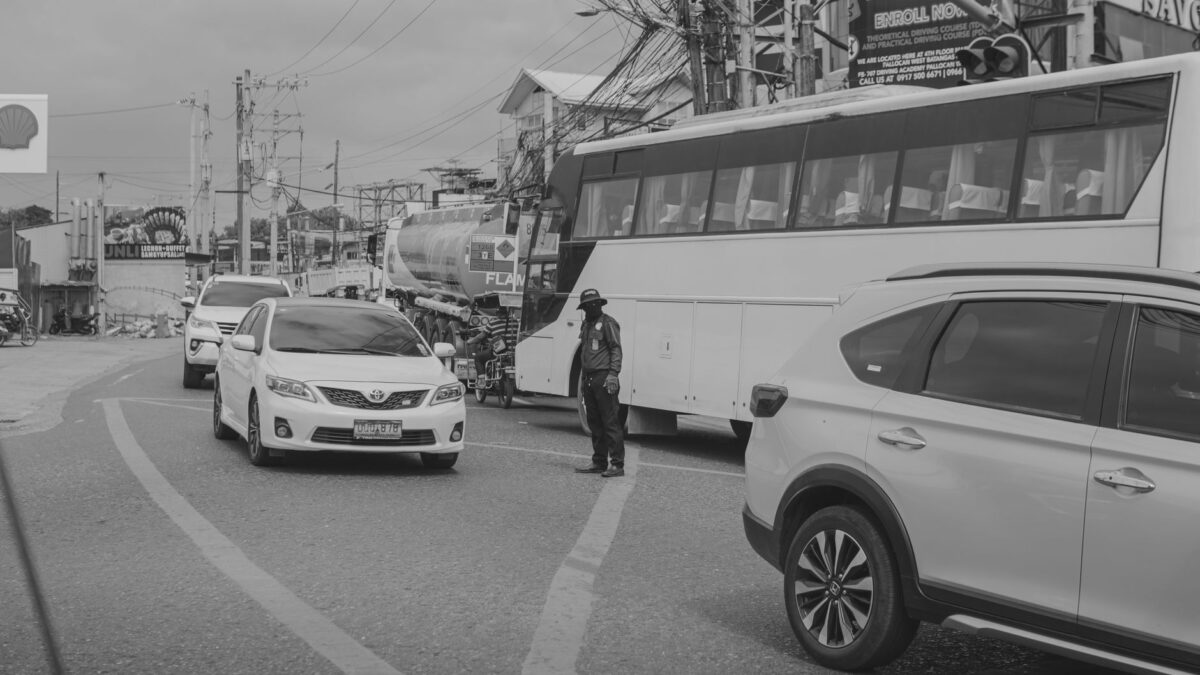
The drizzle is doing that thing it does in Suva — soft, persistent, and somehow friendly — as I dodge a puddle on Victoria Parade and step onto a minibus. It’s late August, the tail end of our cool winter, and the city is buzzing in a way that feels almost electric. School holidays have emptied the classrooms, the Methodist conference has filled the guesthouses, and Albert Park is being transformed into the site of the 70th Hibiscus Festival, returning there for the first time in twelve years. The rides are going up, the fairy lights are being strung, and the whole capital is holding its breath for the Aug 29–Sep 5 celebration. But before you join the crowds, you need to know how to move. This is Suva, and getting around is its own kind of dance.
The truth about the “metro” — minibuses and the bus terminal
Let’s get one thing straight: Suva doesn’t have a metro. No underground trains, no light rail, no fancy pass machines. What we do have is a wonderfully chaotic, surprisingly efficient system of buses and minibuses that converge on the central bus terminal near the waterfront. That’s your hub. From there, routes fan out to every corner of the city and beyond — to Tamavua, Namadi, Flagstaff, even the quieter coastal strip of Lami about ten minutes west.
A single bus fare within Suva city is about FJ$2.05 — cheap enough that you won’t think twice. You pay in cash, always cash. There’s no rechargeable transit card, no app to tap. The conductor will shout the destination and you’ll learn to listen for your stop, because the drivers don’t always announce them. If you’re planning to use buses daily for a month, a monthly public transport pass runs around FJ$50 — a bargain if you’re commuting from the suburbs. But here’s the local secret: the minibuses are faster and often more direct. They leave when full, not on a schedule, and they’ll drop you closer to where you actually want to go. The trick is to look for the hand-signal — stick out your arm, palm down, and wave gently. That’s the universal “pick me up” sign.
Taxis and ride-hailing — your reliable fallback
When the rain gets serious (and it will), or you’re carrying groceries from the Suva Municipal Market, the taxi is your best friend. Metered taxis are everywhere — you’ll see the white plates and the little “TAXI” sign on the roof. The base fare is about FJ$2.00, and a typical cross-town ride might cost you FJ$8–12 depending on traffic. There’s no Uber or Bolt here, at least not in the way you know it. Ride-hailing apps exist in a limited form, but the local, established way is to hail from the street or call a cab company. The drivers are chatty, knowledgeable, and often have strong opinions about the best curry house in town — worth tapping into.
One important warning: right now, Renwick Road behind MHCC has a blocked culvert that’s causing a stench and disrupting taxi pick-ups. The city council has been working on it since Aug 25, but if you’re trying to get picked up there, it’s a mess. Ask your driver to meet you on a side street instead.
Walking — when it beats everything
Here’s the thing: Suva is small. The CBD along Victoria Parade — with the Grand Pacific Hotel, the Fiji Museum in Thurston Gardens, and the waterfront Ratu Sukuna Park — is genuinely walkable. You can stroll from the museum to the municipal market in about fifteen minutes, weaving through the colonial government buildings and past the fruit bats roosting in the old fig trees of Thurston Gardens. On a cool morning like today, with the temperature hovering around 19–25°C, walking is not just viable; it’s the best way to see the city. You’ll notice the fish market, the Indian spice stalls, the yaqona (kava) being pounded into powder.
But walking comes with rules. Suva has more urban crime than the resort areas — petty theft, bag-snatching — especially around the Municipal Market and the nightlife strip. After dark, take a taxi. During the day, keep your bag zipped and your phone out of sight. The leafy, upscale areas of Domain, Muanikau, and Nasese near Government House feel safer and are pleasant for a long walk, especially if you’re heading to the University of the South Pacific.
Getting out of the CBD — Colo-i-Suva and beyond
If you want to escape the city bustle, head to Colo-i-Suva Forest Park, about twenty minutes from the centre. There’s a ranger station where you pay a small entry fee, and then you’re on marked trails that lead to natural swimming pools and waterfalls. It’s a local weekend favourite — you’ll see families with picnic baskets and teenagers swinging on the ropes. The endemic birds — the orange dove, the scarlet robin — are more often heard than seen, but that’s part of the charm.
For a longer trip, Pacific Harbour and Beqa Lagoon are within an hour and offer world-famous shark-feeding dives. But that’s a day trip, not a commute. In the city itself, the best way to move is a mix of walking and minibuses, with the occasional taxi splurge.
Passes, money, and practical know-how
Let’s talk money. Fiji uses the Fijian dollar (FJD), and at around 2.27 to the US dollar, your money goes further than you might expect. A meal at an inexpensive restaurant runs about FJ$13, while a plate of Indo-Fijian curry with rice, roti, and dhal at a local curry house costs FJ$8–20. At the Suva Municipal Market food court, you can eat well for FJ$5–10. A cappuccino is around FJ$6.60, and a domestic draft beer FJ$8.00. The point is: your transport and food budget for a day in Suva could be under FJ$30, which is astonishing value.
For longer stays, consider a monthly transport pass at around FJ$50 if you’ll be riding the bus daily. There’s no prepaid travel card — cash is king. Keep small notes and coins handy; drivers appreciate not having to make change for a FJ$50 bill.
And if you’re thinking of settling in, even briefly, the rental market is tight. A modest one-bedroom flat outside the city centre goes for about FJ$650–900 a month. That might seem cheap, but utilities — especially air-conditioning — can bite. Suva’s humidity makes AC a near-necessity, and electricity bills are a common complaint among expats.
Festival season — moving when the crowds surge
This week, the Secondary Schools Deans finals, the Hibiscus Festival setup, and the Methodists’ annual gathering have all converged. The police are deploying extra officers to manage the crowd surge, and you will feel it. The bus terminal is busier, taxis are scarcer, and the streets around Albert Park are closed for the rides. If you’re in Suva between Aug 29 and Sep 5, plan to walk to the festival grounds. Driving is a mistake; parking is a nightmare. And if you’re catching a taxi after the festival, walk a few blocks away from the main gate — you’ll find one faster.
One more thing: the Kula Awards, Fiji’s national film and dance awards, were staged in Suva on Aug 21–22, and the creative crowd has lingered. That means the cafes — Moments Cafe, The Coffee Hub, The Farmer’s Daughter — are full of artists and filmmakers. It’s a good time to strike up a conversation over a FJ$6.60 cappuccino.
The final word
Suva isn’t a city that rewards rush. The bus will come when it comes. The rain will fall when it falls. The taxi driver might take a detour to show you the new bridge. That’s fine. The best way to get around is to embrace the rhythm — walk when the sun’s out, bus when the rain starts, taxi when you’re tired, and always have small change and an open mind. The city is small, friendly, and full of surprises. Let it move you.
Frequently asked questions
Does Suva have a metro or train system?
No, Suva doesn't have a metro or trains. Public transport is by bus and minibus, with the main hub at the central bus terminal near the waterfront. Buses cost about FJ$2.05 per ride, and a monthly pass is around FJ$50.
How much is a taxi in Suva, Fiji?
Taxis are metered and start at about FJ$2.00. A typical cross-town ride costs between FJ$8 and FJ$12. Taxis are reliable, but during the Hibiscus Festival, it may be faster to walk a few blocks from the main gate to find one.
Is it safe to walk around Suva at night?
Suva has more petty crime than resort areas, so avoid quiet streets late at night and take a taxi after dark. Stick to well-lit areas like Victoria Parade and the Domain/Muanikau neighborhoods during evening hours.
What is the best way to get to Colo-i-Suva Forest Park from Suva?
Colo-i-Suva is about 20 minutes from the CBD. You can take a minibus or taxi; there's a ranger station with an entry fee. It's a popular local spot with trails and swimming pools — bring insect repellent.
Can I use a ride-hailing app in Suva?
Ride-hailing apps are limited and not the norm. Hailing a metered taxi from the street or calling a cab company is the standard way. Always carry cash — drivers don't use card machines.
Things to do in Fiji
 Vavavi - Fijian Cooking & Cultural Experience
 Private Arrival Transfer - Nadi Airport to Hotel
 CFC Approved Private Arrival Transfer - Nadi Airport to Maui Bay Properties
 Coral Coast, Fiji - Airport to hotels. Transfer
 Extreme 12000ft Tandem Jump (45 seconds free fall)
 Private Roundtrip Transfer - Nadi Airport to Fiji Marriott Momi Bay Resort