

Getting around Tallinn: metros, taxis and passes
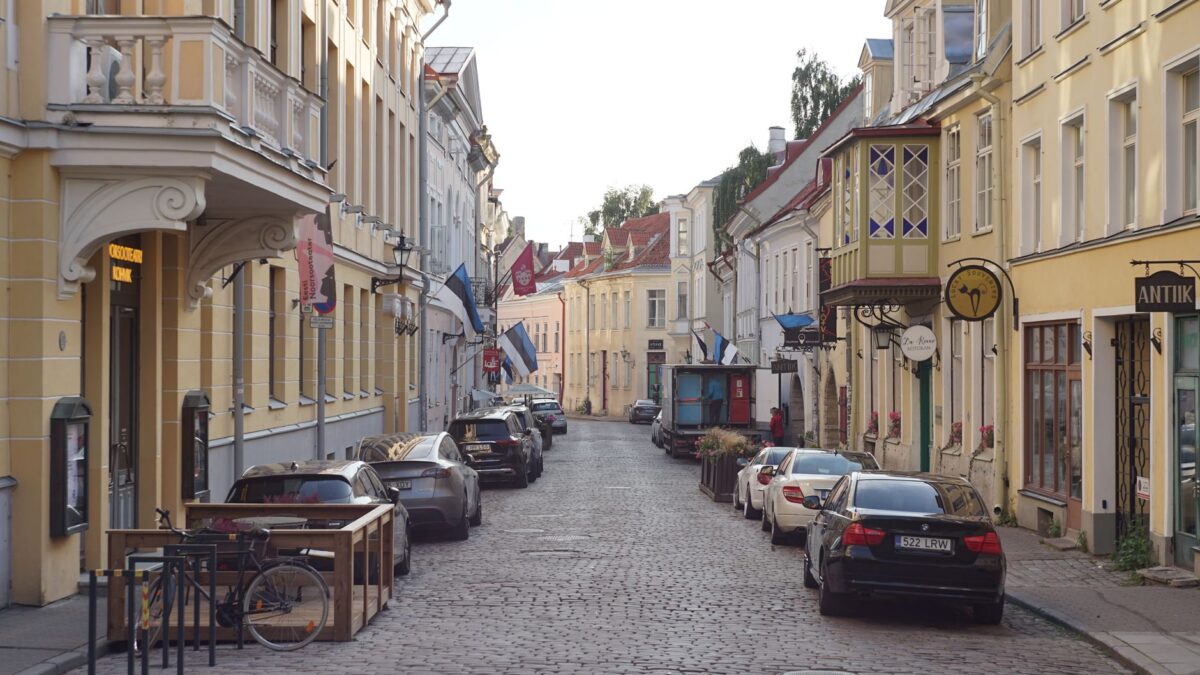
September in Tallinn is a strange, lovely in-between. The summer cruise-ship crowds have thinned, the schools are back, and the city settles into a golden, mushroom-scented calm — until the marathon weekend hits and suddenly everyone is running past Vabaduse väljak. I’ve lived here long enough to know that the best way to experience this city is to move like a local: a mix of trams, a bit of walking, and the occasional Bolt when the rain gets serious. And it will rain — check the forecast, 15–21°C, about 8mm over five hours, so pack a jacket.
The transit backbone: trams, buses, and the Ühiskaart
First, forget the word “metro.” Tallinn doesn’t have one. What we have is a solid, above-ground network of trams, trolleybuses, and buses that covers every corner of the city. The most useful line for visitors is tram 1 or 2, which runs from the city centre towards Kadriorg and the harbour. And here’s a fresh piece of good news: trams are back at Tallinn Airport for the first time in nearly three years, after all the Rail Baltica-related mess. You can now step off a plane and take a tram straight to the terminal — no bus shuttle, no taxi guilt.
The system runs on the Ühiskaart, the smart card that costs about €3 (since December 2025). You can buy it at R-Kiosk, at sales points, or online at pilet.ee. But actually, you don’t even need the card if you have a contactless bank card — just tap it on the validator and you’re good. A single ride costs €2 for an hour of travel, or €2.50 if you buy from the driver in cash (which is a hassle, so don’t). If you’re here for a short stint, get the 24-hour pass for €5.50 or the 72-hour for €9 — that’s a steal compared to most European capitals.
And here’s the quirk that surprises most visitors: registered Tallinn residents ride free. That’s right — if you actually live here and have your address in the Rahvastikuregister, you get a green light on the validator and never pay a cent. For visitors, the monthly pass is about €30, which is still cheap, but the free-resident thing tells you something about how this city thinks about public transport.
Trains: the regional escape hatch
If you want to leave the city — say, to hike in Lahemaa National Park or catch a ferry to the islands — the train is your friend. The main station is Balti Jaam, right next to the hip Telliskivi Creative City. From there, regional trains go to places like Nõmme, Keila, and even further along the coast. But for day trips, you’ll likely use the bus network (also part of the same ticket system) — it’s reliable and runs on time, a point of Estonian pride.
For getting to the airport, that new tram is the smart move. It takes about 15 minutes from the centre, and it cost you nothing extra if you have a valid ticket. Trust me, you don’t want to pay a taxi for that short hop.
Walking: the real Tallinn reveal
Here’s the thing: for all the transit talk, walking is often the best way to get around Tallinn’s core. The Old Town (Vanalinn) is a UNESCO World Heritage site, with 1.9 km of city walls and 20 towers — it’s compact, cobblestoned, and frankly, you’ll miss everything if you’re underground. Start at Town Hall Square, where the Gothic Raekoda has stood since the 13th century, and detour to Raeapteek, Europe’s oldest continuously operating pharmacy, in business since 1422.
In September, the walk from the Old Town to Kadriorg is a pleasure — down Pikk Street, past the Fat Margaret tower, and along the harbour. The marathon weekend (September 11–13) will close some roads near Vabaduse väljak and through the Old Town edge, so plan around it. But the rest of the time, you can stroll through Kalamaja’s colourful wooden houses, stop at Balti Jaama Turg for a coffee, and end at Telliskivi’s street art. That’s a walk that beats any metro.
Taxis and ride-hailing: Bolt rules, but use it wisely
When it rains sideways, or you’re hauling luggage, Bolt is the local hero. It was founded here, and it’s omnipresent. A short city-centre hop costs about €5–€8, with a base tariff of €3–€4. That’s cheap. But in September, you might not need it as much — the city is walkable, and the trams run until late.
If you prefer a classic taxi, make sure they use the meter and have a license — look for the yellow “TAKSO” sign. But honestly, Bolt is easier, and you can see the fare upfront. One tip: avoid hailing a taxi on the street near the Old Town gates — they’re often overpriced for tourists. Use the app, or walk 50 meters to a main road.
For the airport, the tram is back, so you’re set. But if you must take a car, Bolt will cost around €10–€15 depending on traffic — reasonable for a capital city.
Passes and cards: what to actually buy
Here’s my advice. If you’re here for 2–3 days, buy the 72-hour transit pass for €9 and use it liberally. If you’re also hitting museums, consider the Tallinn Card — it bundles free entry to places like Lennusadam (the Seaplane Harbour, home of the submarine Lembit) and KUMU, plus unlimited transit. The math only works if you visit at least 3–4 attractions, but if you’re a museum buff, it’s worth it.
For stays of a week or more, the monthly pass (€30) is the way to go. And if you’re moving here — well, we already covered the free-ride secret. Just remember to register your address within three months, and you’ll get that isikukood (the 11-digit personal code) that opens doors all over e-Estonia, from your bank account to your transit pass.
One more thing: the Old Town’s cobblestones are slippery when wet. And it will be wet. Wear shoes with grip, and watch out for tram tracks — bikes and scooter wheels can get stuck. That’s it. You’re ready.
September is also when the city glows — literally. The Light Walks festival (Valgus kõnib, theme “Glow of Shadows”) illuminates Kadriorg Park from September 16–19, 20:00–23:00, free to wander. And the Tallinn Architecture Biennale opens at the long-abandoned Linnahall on September 9, finally reopening that Soviet-era seaside marvel. Both are best reached on foot from the tram. So park the car, tap your card, and walk the rest.
Frequently asked questions
Does Tallinn have a metro system?
No, Tallinn doesn't have a metro. The public transport network is trams, trolleybuses, and buses, all on one ticket system.
How much is a single tram ticket in Tallinn?
A single ride costs €2 if you tap a contactless bank card or use an Ühiskaart, or €2.50 if you buy cash from the driver.
Are Tallinn residents really free to use public transport?
Yes, registered Tallinn residents ride city buses, trams, and trolleybuses for free. Visitors pay €2 per ride or €30 for a monthly pass.
Can I take a tram from Tallinn Airport to the city centre?
Yes, tram service to the airport resumed in July 2026, so you can now take a tram directly to the terminal.
Is walking a good way to explore Tallinn?
Absolutely — the Old Town and central areas are compact and walkable, and you'll see more above ground. Just watch out for slippery cobblestones in the rain.


