

Getting around Tunis: metros, taxis and passes
The first rain of November in Tunis doesn’t just wash the dust off Avenue Habib Bourguiba; it changes the rhythm of the city. The air turns crisp, hovering around 16–30°C under a slate-grey sky, and the olive-picking season begins in the surrounding Sahel. As a local, I’ve learned that getting around this capital isn’t about conquering traffic—it’s about understanding the layers. You have the French grid of the Ville Nouvelle, the labyrinthine souks of the Medina, and the coastal strip stretching to La Marsa. Moving between them requires a mix of patience, cash, and knowing which tool fits the terrain.
The Metro Léger: Your Urban Lifeline
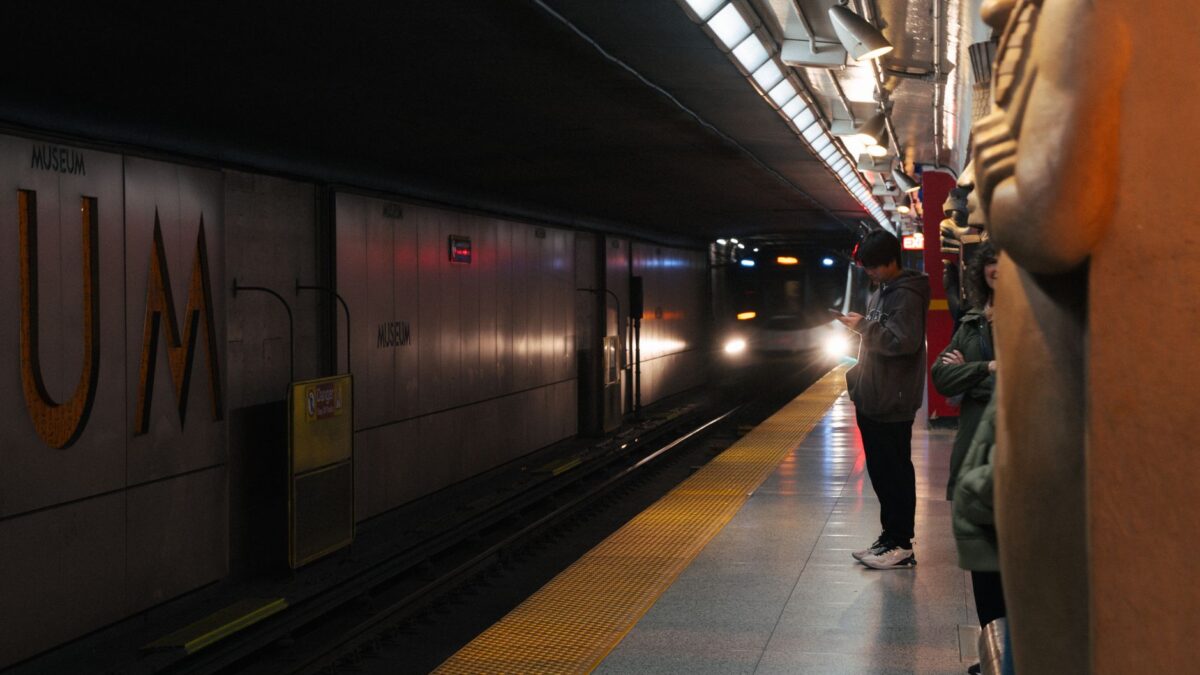
For most residents, the métro léger is the backbone of daily life. Operated by TRANSTU, this light rail network spans six lines, connecting the heart of the city to its suburbs. If you are staying in the centre, you will likely start at Place Barcelone or République, the transport hinge where the lines converge. From here, you can head west toward the Bardo National Museum on Line 4, or north toward the coast.
Buying tickets is straightforward but requires attention. You purchase paper tickets at station kiosks for roughly 0.5–1.5 TND per ride, depending on the zone. Always keep your ticket; inspectors are frequent, and losing it means paying again. For regular movement, locals ditch the single tickets for the rechargeable carte TRANSTU. You can load a weekly (hebdomadaire) or monthly (mensuel) pass onto it. The monthly pass runs about 44 TND (roughly $14), which is a steal compared to Western transit costs. Students and seniors get half-price fares, so if you qualify, bring your ID.
A word of caution: during peak hours, especially near the UTICA/Cité El Khadra area, the trains can be packed. This is particularly true in late November when events like the Salon du Chocolat & de la Pâtisserie draw crowds to the exhibitions. If you find yourself stuck in a crush, remember that Tunisians often stand shoulder-to-shoulder in silence; it’s not rude, it’s just efficient.
Taxis and Ride-Hailing: Navigating the Grey Areas
When the metro doesn’t reach your destination—or when the rain turns heavy—a taxi is your best bet. Tunis has two main types: grand taxis (shared, older models like Peugeots or Citroëns) and petit taxis (individual hire). In the Ville Nouvelle and Medina, petit taxis are colour-coded: yellow for the central zone, green for specific suburbs, and blue for others. Never ignore the colour code unless you are prepared for a dispute or a long walk.
The standard tariff base fare is about 0.90 TND (approx. $0.30), with the meter ticking up from there. However, drivers may try to negotiate a flat rate, especially for tourists. Insist on the meter (compteur). If they refuse, simply walk away; another one will appear in minutes. For ride-hailing, apps like Yassir are popular among locals and offer fixed prices, removing the haggling entirely. It’s a good option if you are unfamiliar with the neighbourhoods.
Safety tip: Pickpocketing is rare in taxis but common in crowded souks and metro stations. Keep your wallet in your front pocket, especially in areas like Souk el Attarine or near Bab Bhar. Also, note that while taxis are safe for day travel, the medina’s side lanes become unlit and empty after shops close. Avoid wandering there alone at night.
The TGM Train: A Coastal Commute
If you are heading to the beach districts—La Goulette, Carthage, Sidi Bou Said, or La Marsa—the TGM train is both faster and more scenic than road transport. Departing from Tunis Marine, this suburban line connects the city to the coast in about 30 minutes. Tickets are cheap: roughly 0.8 TND for second class. There is no integrated ticket with the métro beyond a specific transfer fare, so you’ll need separate tickets.
The ride itself is a highlight. You’ll see Lake Tunis and its sebkhas, where flamingos and gulls gather, before arriving at the leafy streets of Carthage or the vibrant Corniche of La Marsa. It’s the preferred way for locals to escape the heat in summer or enjoy the autumn breezes in November. Just remember that the TGM does not run into the Medina; you’ll need to switch to the metro or taxi for the final leg.
Walking: The Best Way to See Tunis
Despite the traffic, walking is often the superior choice in Tunis, particularly in the Medina and Ville Nouvelle. The distance between Bab el Bhar (Porte de France) and the Cathedral of St Vincent de Paul is short enough to stroll along the ficus-shaded Avenue Habib Bourguiba. This 1.2 km boulevard is the spine of the new town, lined with Art Nouveau buildings and café terraces where you can watch the world go by for a cappuccino costing around 3.5 TND ($1.1).
In the Medina, cars are largely banned from the souk lanes. Here, you must walk. The souks are sorted by trade: Souk el Attarine for perfumes and henna, Souk el Berka for gold under vaulted roofs, and Souk Ech Chaouachia where red chechia caps are still felted by hand. Walking allows you to discover hidden gems, like the roof terraces overlooking the Zitouna Mosque, or the quiet courtyards of restored Ottoman palaces turned boutique guesthouses.
However, November brings the first rains. Carry a compact umbrella. The medina’s cobblestones become slippery, and the covered markets offer shelter. But don’t let the weather deter you; the scent of fresh bread (0.500 TND for 500g) and steaming bowls of lablabi (4–8 TND) waiting in the alleyways is worth the dampness.
Practical Tips for the Season
As mid-November settles in, Tunis enters a transitional phase. Daylight shrinks, and the city slows down slightly. If you are visiting during the 27th Carthage Theatre Days (21–28 November), expect the Opéra and Place des Théâtres to buzz with free performances. Traffic around the Cité de la Culture will be congested, so rely on the metro or TGM rather than driving.
Cash is king. While some upscale hotels and restaurants accept cards, the souks, taxis, and small cafés operate on dinars. Withdraw from ATMs at major banks like BIAT or Attijari Bank, but carry small notes for tips and small purchases. Also, remember that Tunisia is visa-free for many Western passports for up to 90 days, but if you are renting an apartment, your host must register you with the police within a week. Don’t skip this step; overstays are fined.
Finally, embrace the local food culture. A bowl of lablabi or a fricassé sandwich is not just lunch; it’s a ritual. Prices remain low despite inflation, with a simple meal costing only a few dinars. So, whether you’re hopping on the métro to the Bardo Museum or walking through the blue-and-white lanes of Sidi Bou Said, move slowly, stay alert, and let Tunis reveal its layers at its own pace.
Frequently asked questions
How much does a monthly public transport pass cost in Tunis?
A monthly rechargeable TRANSTU card pass costs approximately 44 TND (about $14). Student and senior fares are roughly half price.
Can I use the metro to get to the Bardo National Museum?
Yes, take Line 4 of the métro léger directly to the Bardo station. The museum is a short walk from the stop.
What is the difference between a grand taxi and a petit taxi?
Petit taxis are for individual hire with a meter; grand taxis are shared rides following fixed routes between neighborhoods. Petit taxis in the center are yellow.
Is it safe to walk in the Medina at night?
The souks are generally safe during the day, but side lanes become dark and empty after shops close. Stick to well-lit main paths and avoid wandering unlit areas at night.
Do I need a visa to visit Tunis for tourism?
Many Western passports (EU, US, UK) enter visa-free for up to 90 days. You need a valid passport and usually an onward ticket.
Things to do in Tunisia
 VIP transfer between Tunis Carthage Airport and a hotel in Tunis
 07 -Guided day Tour Tunisia Monumental
 2D/1N Private Adventure – Explore Southern Tunisia, Douz & Tozeur
 Special offer
Horseback riding with private transfer
 Dromedary Expedition with Night in Camp and Sandboard
 Excursion VIP Tunis Medina Carthage Sidi BouSaid