
Getting around Washington, D.C.: metros, taxis and passes
The air hangs thick and syrupy over the District in late August, and the cicadas are in full, desperate chorus. You wipe your brow on the corner of 7th and Pennsylvania, dodging a crew in orange vests who are already stringing barriers for the Freedom 250 Grand Prix. The National Mall — that two-mile green spine from the Capitol to the Lincoln Memorial — is slowly becoming a racetrack, and the city feels like it’s holding its breath before the IndyCar roar. But you’re not here for the race. You’re here to move. And in this swampy, monument-laden grid, moving well is an art form.
Metrorail: The Backbone (and the Red Line’s Summer of Pain)
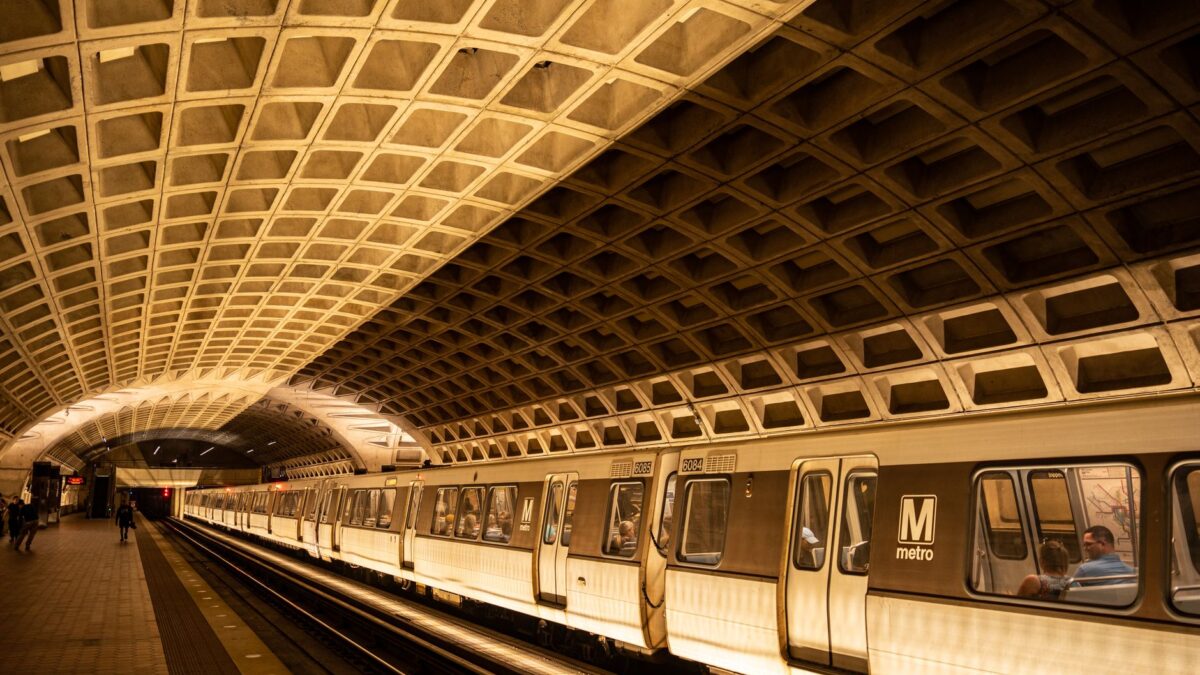
Locals grumble about Metro, but they ride it. It’s the fastest way across a city where traffic lights seem timed to punish you. The system runs on a simple fare structure: you’ll pay roughly $2.25 to $6.75 depending on distance and time of day. The flat Metrobus fare is $2.25. And here’s the trick that separates visitors from commuters: use a SmarTrip card — $2 for the card itself, reloadable, never expires — or just tap a contactless credit card at the faregate. No paper tickets, no fumbling.
But heed this warning, because summer 2026 has thrown a wrench into the works. The Red Line — the workhorse that runs through Dupont Circle, Gallery Place, and Union Station — has no train service between North Bethesda and Friendship Heights until September 6. Bethesda, Grosvenor-Strathmore, and Medical Center stations are shuttered, replaced by free shuttle buses as crews connect the future Purple Line. If you’re heading to the National Institutes of Health or just trying to reach the suburbs, tack on an extra 20 minutes and follow the “shuttle” signs. The rest of the system — including the Blue, Yellow, Orange, Silver, and Green lines — runs normally, though the Silver Line is your friend for Dulles Airport, and the Blue/Yellow lines get you to Reagan National.
Service runs until midnight on weekdays and Sundays, and until 2 a.m. on Fridays and Saturdays. Late-night revelers from Adams Morgan or U Street will find that last train is a sweet, air-conditioned chariot — but if you miss it, you’re in rideshare territory.
Taxis, Rideshares, and the Art of the Surge
Uber and Lyft dominate, but they’re not the only game. DC’s iconic yellow cabs are regulated and metered, and you can hail them on the street in the downtown core — though in this heat, you’ll want to summon one via the Curb app. Rideshares are reliable but surge horribly during rush hour, after events at Nationals Park (in Navy Yard), and especially during the Grand Prix weekend when streets close. If you’re heading to Georgetown — which, annoyingly, has no Metro stop — the DC Circulator bus is your budget best friend at just $1 per ride. You can tap your SmarTrip or pay with coins. It’s slower than a cab, but it beats walking in 90% humidity in wedges.
Pro tip: for the National Mall, don’t even think about a car. The security checkpoints, the closed streets, and the sheer foot traffic make walking the only sane option. You’ll traverse from the Smithsonian National Museum of Natural History to the National Air and Space Museum, and you’ll want your sneakers, not a taxi.
Passes and Money-Saving Moves
Let’s talk about the daily pass. If you’re planning three or more Metro trips in a day, the regional day pass (around $13) pays for itself. But here’s the local secret: most residents just reload their SmarTrip and rely on the fact that the system’s fare capping means you’ll never pay more than the daily pass equivalent in a single day anyway. Yes, you read that right — Metro automatically caps your daily spending. So unless you’re a transit purist, just tap and go.
Metrobus is the flat $2.25, and transfers between bus and rail are free within two hours (the system figures it out automatically). The DC Circulator’s $1 fare is a separate animal, but you can use the same SmarTrip. And if you’re visiting during the August 22–23 Grand Prix weekend, expect the Mall’s closure to snarl bus routes. Plan around it: walk, or take the Green Line to Navy Yard and enjoy the riverfront bars instead of the racetrack scaffolding.
When Walking Beats Everything
Here’s the truth: in the tourist core, walking is not just viable — it’s superior. From the White House to the Capitol is about 1.5 miles, and the sidewalks are wide, if sun-blasted. Eastern Market on Capitol Hill (running since 1873) is a perfect morning walk from the Capitol South Metro or even from Union Station if you’re feeling frisky. The cobblestones of Georgetown are charming but hell on ankles; the same goes for Adams Morgan’s 18th Street strip, where the nightlife — think the legendary bohemian spirit and some of the best Ethiopian food outside Addis Ababa — is best experienced on foot anyway.
Dupont Circle is a lovely wander, with its grand mansions and bookstores, and from there you can stroll down to the U Street Corridor, the historic “Black Broadway” where Ben’s Chili Bowl has served its famous half-smokes since 1958. Public transit gets you close, but the soul of DC is in these blocks — and the walk between them is part of the experience. Just carry water. The forecast says 23–33°C, but it feels like 37°C, and the humidity is a wet blanket.
If you need green relief, Rock Creek Park — that 1,754-acre urban oasis — is a 20-minute walk from the Woodley Park Zoo station (the free Smithsonian National Zoo is at its southern edge). The park’s trails are blissfully cooler under the canopy, and you might spot a fox or a deer. Yes, in the city.
Etiquette, Scams, and the Fine Print
The golden rule: buy your SmarTrip only from station kiosks or the official WMATA website. There’s a well-known scam where vendors sell fake cards near the Mall — they look real but won’t scan. Also, if you’re driving, never park on a major street past 3:15 p.m. on weekdays. Rush-hour towing is immediate and ruthless. Use the ParkMobile app for any metered spot, and read the signs twice — this is a city that funds itself on enforcement.
One more thing. The National Book Festival takes over the Walter E. Washington Convention Center on August 22, and it’s free with a ticket — but you’ll need to reserve that ticket in advance online. Similarly, the National Museum of African American History & Culture is free but requires a timed-entry pass, and the Air and Space Museum (recently renovated, spectacular) does too. Book those before you arrive. The Metro will get you there—the Convention Center is right off the Mount Vernon Square station—but the passes are your real ticket.
Final Dispatch from the District
You’ll leave DC with tired feet and a full heart. The city is big, demanding, and — in this America250 year — buzzing with celebration and construction alike. But you don’t need a car. You need a SmarTrip, a refillable water bottle, and the willingness to walk eight blocks when the map says three. That’s how locals do it. That’s how you’ll see the real DC — the one beyond the marble and the museums, where the cicadas hum and the half-smokes sizzle.
Frequently asked questions
How much does the Washington DC Metro cost per ride?
Metrorail fares range from about $2.25 to $6.75 depending on distance and time of day. Metrobus is a flat $2.25. You can pay with a SmarTrip card or tap a contactless credit card at the faregate.
Is the DC Metro Red Line closed in summer 2026?
Yes, there's no train service between North Bethesda and Friendship Heights from July 6 to September 6, 2026. Bethesda, Grosvenor-Strathmore, and Medical Center stations are closed, with free shuttle buses replacing trains.
What is the best way to get to Georgetown without a Metro station?
Georgetown has no Metro stop. The best budget option is the DC Circulator bus for $1 per ride, or you can take a rideshare or taxi. Walking from Foggy Bottom Metro station is also doable but takes about 20 minutes.
Should I buy a Metro day pass or just use SmarTrip?
The daily regional pass costs around $13 and pays off if you make 3+ trips. However, Metro automatically caps your daily spending, so simply tapping a SmarTrip or contactless card usually works out to the same cost without pre-committing.
Are there any closures or disruptions on the National Mall in August 2026?
The Mall and streets around the Capitol are fenced off for the Freedom 250 Grand Prix (August 22–23), with some street closures lasting through August 26. This doesn't affect Metro service, but walking routes and bus stops may shift.
Things to do in United States
 Hawaii Volcanoes, Waterfalls, Beaches & Hilo Highlights Day Tour
 Nashville VIP Style Private Tour with Local Singer-Songwriter
 Half-Day Private Boating On Black Hurricane - Clearwater Beach
 Private Stand Up Paddle Boarding Tour in Turtle Town, Maui
 Epic Camelback Mountain Guided Hiking Adventure in Phoenix, Arizona
 Semi-private SMALL group Historic Walking Tours w/certified guide