

Ghana in August 2026: what travelers should know now
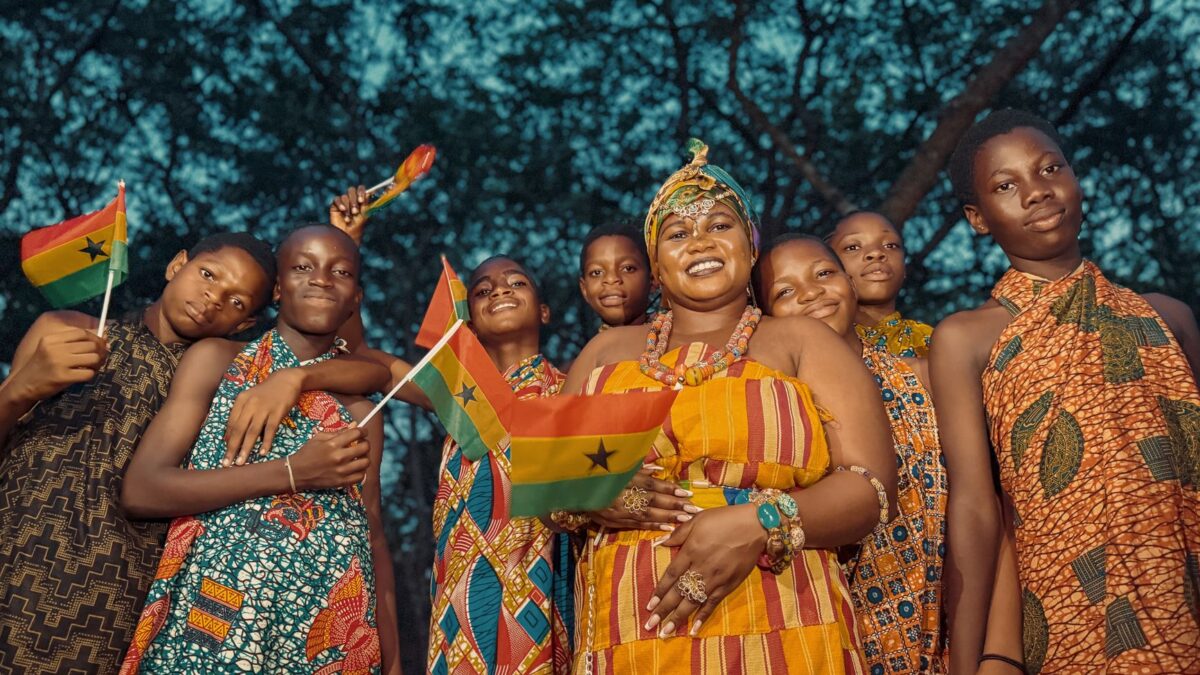
The air in Accra is thick with it—not just the drizzle that’s been falling in soft, 2mm bursts over the last few hours, but the rumble of drums, the flash of red cloth, and the smell of palm oil and roasted maize drifting from every corner. It’s Homowo season, the Ga people’s harvest festival of “hooting at hunger,” and even as the city slickens under a 24–29°C sky that feels like 33°C when the sun peeks through, the streets are alive. If you’re landing in Ghana this week, you’re stepping into one of the most culturally vibrant—and traffic-heavy—moments of the year.
What’s On Right Now: Festivals, Fairs, and Final Days
This weekend is packed. From today, August 29, to tomorrow, August 30, the This Is Ghana Exhibition takes over Efua Sutherland Children’s Park (10am–5pm), a free, two-day food, brand, and family fair organized by Channel One TV and Citi FM. It’s a great low-effort introduction to Ghanaian flavors and local businesses, especially if you’re traveling with kids.
Also ending soon: the 23rd Ghana International Book Fair, running through August 30 at the Accra International Conference Centre. If you’re a reader, an educator, or just curious about African publishing, this is your last chance to catch it. And across town at the W.E.B. Du Bois Centre, the CRAFTARA Festival wraps up on August 30, too—an international crafts, arts, and cuisine event with fashion showcases and culinary displays. It’s a rare chance to see artisans from across the continent in one place.
But the heartbeat of the week is Homowo. Teshie is in the middle of its celebrations, with the Annual Football Harvest on the day itself and the Kpaishimo flags/groups ceremony on August 30. Expect processions, drumming, and groups of red-clad asafo warriors parading through the streets. If you’re invited to a home for kpokpoi (kpekple)—the maize, palm-oil, and fish dish that defines the festival—say yes. It’s not just food; it’s a blessing.
Weather & Packing for Late August
Accra is deep in its wet season, but “wet” here is rarely a washout. Today’s forecast shows a light drizzle—just 2mm over six hours—with temperatures between 24–29°C and humidity pushing the feels-like up to 33°C. You’ll sweat, then get caught in a brief shower, then dry off in the sun. That’s August.
Pack light, breathable clothing (cotton or linen), a compact umbrella or a light rain jacket, and sturdy sandals or shoes that can handle a little mud. Sunscreen and insect repellent are non-negotiable—the sun is strong even when hazy, and mosquitoes are active after rain. If you’re heading to any of the festival processions, wear comfortable shoes and be ready to stand for a while. And always carry a small dry bag for your phone and camera—a sudden downpour doesn’t care about your itinerary.
Getting Around: Traffic, Closures, and a Big Roadwork Headache
If there’s one thing to plan around this month, it’s the roadworks. The Accra Metropolitan Assembly (AMA) has announced months-long drainage works on the Dr. Busia Highway westbound carriageway from Pamplom Junction to First Light (the Kaneshie-Mallam corridor). From September 7, there will be phased traffic diversions, and the Kaneshie Station-to-First Light stretch will stay shut into 2027. That’s a major artery, so if you’re heading to the mall, the market, or anywhere west of the centre, add at least 30–45 minutes to your trip.
Also starting August 28, AMA’s one-month eviction notice for traders at Agbogbloshie’s Nzema Market, Cargo Station, and parts of Yam Market expires. The area is being cleared for a new 24-Hour Economy Market, and traders are being relocated. Expect disruption, noise, and possibly some tension around there. It’s best to avoid the immediate area unless you have specific business—and even then, be patient.
In normal times, your best bets are tro-tros (shared minibuses, with fares mostly GHS 4–10 for short hops), Aayalolo buses (prepaid card required), or ride-hailing apps—Uber, Bolt, and Yango are the most reliable. Street taxis often lack meters, so negotiate carefully or skip them entirely, especially at night. A short negotiated taxi ride can run GHS 7–10, but it’s always safer to use an app after dark. And yes, traffic is heavy everywhere, especially on Oxford Street, Airport, and Spintex Road.
Crowds, Costs, and What to Budget
Late August is a sweet spot: international tourism is quieter than in the December “Detty December” rush, but local energy is at its peak because of Homowo. You’ll find hotels and guesthouses in the Osu, Labone, and Cantonments neighborhoods with more availability than during the high season. Prices for accommodation—especially modest one-bedroom flats in Osu or East Legon—are running from about GHS 1,500 to GHS 4,000 a month, though many landlords ask for 1–2 years’ rent upfront. For short stays, mid-range guesthouses like those in Labone are a solid choice.
Eating well is still affordable if you go local. A chop-bar meal of fufu or jollof is around GHS 40–60 (roughly $5), and a street plate of waakye with egg and fish is GHS 20–50. Kelewele—spiced fried plantain—is GHS 10–25, and you can get a full street-food meal at Osu night market or Makola for GHS 30–60. At a mid-range restaurant, expect to pay GHS 120–250 per person. If you’re cooking for a family, a pot of jollof rice for five costs about GHS 430 in ingredients. Prices have climbed with inflation (currently around 14.2%), but your dollar still goes a decent way, especially on transport.
Markets, Art, and Nature: What Not to Miss
You can’t come to Accra without hitting Makola Market (on Kojo Thompson Road)—it’s chaotic, overwhelming, and unforgettable, with textiles, spices, food, and everything in between. Keep your phone tucked away and your cash hidden; pickpocketing happens. For crafts, the Accra Arts Centre (Centre for National Culture) has kente, adinkra cloth, beads, drums, and carvings, with live demonstrations. Note: vendors will quote high, so barter politely but firmly.
For history, the Kwame Nkrumah Memorial Park and National Museum of Ghana (on Barnes Road, with works by El Anatsui and Ablade Glover) are essential. Independence Square (Black Star Square) with its Black Star Gate and Independence Arch is a must-see. In Jamestown, climb the lighthouse for harbor views and visit the adjacent Ussher Fort. The W.E.B. Du Bois Centre in Cantonments is a pilgrimage for anyone interested in Pan-Africanism.
When you need greenery, head to Aburi Botanical Gardens (about an hour up the hills), Shai Hills Resource Reserve, or the Legon Botanical Gardens on the University of Ghana campus. For longer excursions, Kakum National Park’s canopy walkway is a few hours west near Cape Coast, and Mole National Park up north has elephants and more.
Practical Must-Knows for This Month
- Visa & entry: If you’re from an African Union country, you enter visa-free (since January 2025). Most others need a visa or the Emergency Entry Visa, which requires pre-approval from the Ghana Immigration Service and a host in Ghana—it’s not walk-in. A Yellow Fever certificate is mandatory at Kotoka International Airport.
- SIM cards: You’ll need your passport (or Ghana Card) to register a SIM. MTN, Telecel, and AT are the main networks; MTN has the best coverage. Buy from an official store to avoid issues.
- Money: The cedi is trading around GHS 11 per US$ (as of 2023), and inflation is at 14.2%. ATMs are common, but carry small notes for tro-tros and markets.
- Safety: Accra is relatively safe, but petty theft and phone-snatching happen in crowded areas like Makola and Osu at night. Use ride-hailing after dark, carry little cash, and don’t flash your phone on the street.
- Homowo etiquette: If you attend a procession, dress modestly, stand respectfully, and ask before taking photos. Offerings and feasts are part of the tradition; it’s okay to decline food if you have dietary restrictions, but do so politely.
This is Accra at its most vivid, a city that knows how to gather, celebrate, and move forward. Come for the festival, stay for the market, and leave with a little more rhythm in your step.
Frequently asked questions
What are the must-attend events in Accra this weekend (August 29-30, 2026)?
This Is Ghana Exhibition (Efua Sutherland Children's Park, 10am-5pm, free), the Ghana International Book Fair (ends Aug 30), and the CRAFTARA Festival at W.E.B. Du Bois Centre (ends Aug 30). Plus Teshie's Homowo celebrations, including the Annual Football Harvest and Kpaishimo flags ceremony.
What's the weather like in Accra in late August 2026, and how should I pack?
It's the wet season: expect temperatures 24–29°C (feels like 33°C) with light drizzle—about 2mm over 6 hours. Pack light, breathable clothing, a compact umbrella, and insect repellent. Rain showers are brief but frequent.
Are there any major road closures or traffic disruptions in Accra this month?
Yes. From September 7, the westbound Dr. Busia Highway (Pamplom Junction to First Light, Kaneshie-Mallam corridor) will close for GARID drainage works, with the Kaneshie Station-to-First Light stretch staying shut into 2027. Also, the AMA eviction notice at Agbogbloshie's Nzema Market expires on August 28, so expect disruption around there.
How much does local food cost in Accra in August 2026?
A chop-bar meal of fufu or jollof is around GHS 40–60 ($5), a street plate of waakye is GHS 20–50, and kelewele is GHS 10–25. At Osu night market, a full street-food meal costs GHS 30–60. Mid-range restaurant dinners run GHS 120–250 per person.
Do I need a visa to enter Ghana as an African citizen in 2026?
All African Union citizens enter visa-free since January 6, 2025. Other nationalities need a visa from a Ghanaian embassy or an eVisa. The Emergency Entry Visa (Visa on Arrival) requires pre-approval from Ghana Immigration Service and a host—not walk-in.


