

Ghana in September 2026: what travelers should know now
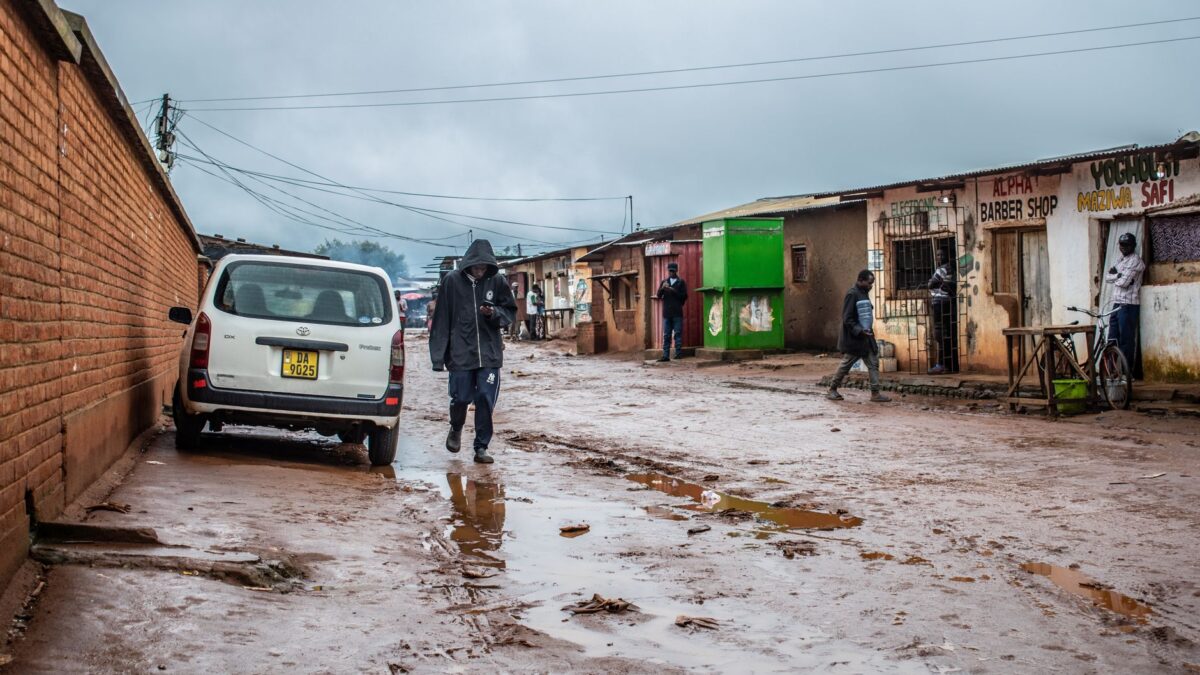
It is mid-September in Accra, and the air feels heavy with that familiar second-rain spell humidity. If you are standing on Oxford Street right now, you know exactly what I mean: the sky is often overcast, the heat sits at around 29°C but feels like 34°C, and sudden downpours can turn low-lying roads into temporary rivers within minutes. This is not a bad thing—it is just the rhythm of the season. But it means your packing list needs to change immediately. Leave the delicate linens at home; bring quick-dry fabrics, a sturdy umbrella, and shoes you do not mind getting muddy. The rain here does not linger for days like in London or New York; it arrives with force, clears the dust from the city, and then leaves you in a warm, steaming embrace.
The Rhythm of September: Rain, Recovery, and Resilience
As of today, September 18, 2026, Accra is in the thick of its wetter half of the year. You will likely see puddles pooling on the roads in areas like Kaneshie or Labadi after an afternoon shower. This seasonal reality is why you are seeing so much municipal activity on the streets right now. It is not just construction noise; it is flood mitigation. Authorities have been dredging the Kpeshie Lagoon near Laboma Beach and demolishing structures in the buffer zone to prevent the kind of flooding that has plagued parts of the Greater Accra Region in recent years. Similarly, along the Dr Busia Highway in Kaneshie, GARID is building a new underground stormwater drain, which means you might encounter temporary road closures or diversions if you are driving through Pamprom Junction to First Light Junction.
If you are staying near Weija, be aware that Ghana Water Limited opened spill gates recently as water levels hit 46 feet. While this is managed infrastructure work, it is a reminder that the city’s relationship with water is active and evolving. For travelers, this simply means: check your route before heading out in the late afternoon. Traffic moves slower when the rains start, and patience is your best companion.
What Is Happening Now: Festivals, Foundations, and Waste Management
There is a lot happening in Accra this month, blending cultural celebration with serious civic updates. The most visible event is the massive waste evacuation project. President Mahama commissioned the removal of roughly one million tonnes of waste from Agbogbloshie to the Adepa landfill near Nsawam. You may hear the rumble of tipper trucks late at night along the ~42 km Accra–Nsawam route. This 90-day haulage operation is running mostly at night to minimize daytime congestion, but it is a significant logistical shift in how the capital handles its environment.
On the cultural side, September is vibrant. The 12th Ghana Dance Festival is currently underway, climaxing on September 19 at the Alliance Française in Airport Residential Area. If you enjoy movement, music, and community, this is a great place to be. Meanwhile, the 14th Ghana Garden and Flower Show is filling Efua Sutherland Children’s Park until September 21. Expect exhibitions, conferences, and evening events like Music Night on the 18th and Drama Night on the 19th. These are accessible, family-friendly spots that offer a respite from the urban bustle.
Looking ahead, mark your calendar for September 21: Founders Day. This is a major public holiday in Ghana, falling just three days from now. Most businesses, banks, and government offices will be closed. It is a day of reflection and celebration of the nation’s unity. If you plan to dine out or shop, do so before the 21st, as many establishments may close early or operate on limited hours.
Navigating the City: Transport, Costs, and Where to Stay
Accra remains one of the more expensive cities in West Africa, a fact that has intensified through 2025 and 2026. Rents have climbed sharply, with modest one-bedroom flats in outer districts like Madina or Adenta costing between GH₵1,200 and GH₵2,500 (approx. $170) per month, often demanded upfront for a year or two. For visitors, this translates to higher hotel rates. A mid-range guesthouse or hotel will run you about GH₵1,300 to GH₵2,700 (approx. $180) per night. Budget-conscious travelers should look toward areas like Osu or East Legon, where competition keeps prices somewhat competitive despite the inflationary pressure.
Eating well does not have to break the bank. A plate of waakye from a street vendor costs around GH₵15–25 (approx. $1.8), while a proper bowl of fufu with light soup and meat at a local chop bar is GH₵50+ (approx. $5). If you prefer a sit-down meal with a drink, expect to pay GH₵80–150 (approx. $10) at a mid-range restaurant. For nightlife dining, the Osu Night Market area offers street food options around GH₵30–50 (approx. $4) per person. Public transport remains affordable: a short trotro ride is GH₵5–8 (approx. $0.6), but for comfort and safety, especially at night, Uber and Bolt are reliable, costing GH₵30–50 (approx. $4) for cross-town trips.
In terms of location, choose wisely. Osu is the spine for nightlife and first-timers, with Oxford Street being walkable but busy. Labone and Cantonments offer a leafy, diplomatic quietude with excellent cafes. East Legon is ideal for those with cars, being close to A&C Mall and Nyaho Medical Centre. Jamestown provides historic charm with its lighthouse and fishing harbor, though it requires more navigation.
Practical Essentials: Banking, SIMs, and Safety
The most critical update for any foreigner arriving in Ghana right now is the enforcement of the Ghana Card system. Bank of Ghana regulations require financial transactions to be linked to a Ghana Card (or Non-Citizen Identity Card). If you are staying less than 90 days, you can use your passport for one-off transactions, but if you plan to stay longer or open an account, you must register for the Non-Citizen Ghana Card via the National Identification Authority (FIMS). This costs about US$120 and requires an Oath of Identity. Do not wait until you are in the country to think about this; it is a bureaucratic hurdle that takes time.
For communication, SIM registration is mandatory. Walk into an MTN, Telecel, or AirtelTigo shop with your passport, and they will register the SIM to you in person. Mobile money (MTN MoMo) is the primary way small payments are made, so having a registered SIM is essential for daily life. Visa requirements remain strict: most nationalities need a visa obtained from a mission before flying. The ‘visa on arrival’ at Kotoka International Airport is not a walk-up facility; your host must apply to the Ghana Immigration Service in Cantonments 3–5 days in advance. Fees range from US$60–100 at embassies to roughly US$150 cash for single-entry visas on arrival.
Safety in Accra is generally good compared to other regional capitals. Violent crime against foreigners is uncommon. However, petty theft exists, particularly on Oxford Street in Osu and in Makola Market. Keep bags closed and be wary of overcharging in nightlife zones. Use registered taxis or ride-hailing apps at night. In case of medical issues, Ridge Hospital and 37 Military Hospital are the main referral facilities. As always, yellow fever vaccination is mandatory for entry, and your passport must have six months’ validity.
Frequently asked questions
When is Founders Day in Ghana 2026?
Founders Day is celebrated on September 21, 2026. It is a public holiday, so most businesses and government offices will be closed.
Do I need a visa on arrival for Ghana?
The 'visa on arrival' at Kotoka International Airport is not a walk-up service. Your host must apply to the Ghana Immigration Service in Cantonments 3–5 days in advance. Most travelers should obtain a visa from a mission before flying.
How much does a typical meal cost in Accra in September 2026?
Street food like waakye costs about GH₵15–25 ($1.8). A mid-range restaurant meal with a drink is around GH₵80–150 ($10). Fufu at a chop bar is GH₵50+ ($5).
Is the Ghana Card required for foreigners?
Yes, for stays over 90 days or banking access. Foreigners must register for a Non-Citizen Ghana Card via FIMS. It costs approx. US$120 and is required for financial transactions under new Bank of Ghana rules.
What festivals are happening in Accra in September 2026?
The Ghana Dance Festival climaxes on September 19 at Alliance Française, and the Ghana Garden and Flower Show runs until September 21 at Efua Sutherland Children's Park.


