

Guatemala etiquette: the dos and don’ts
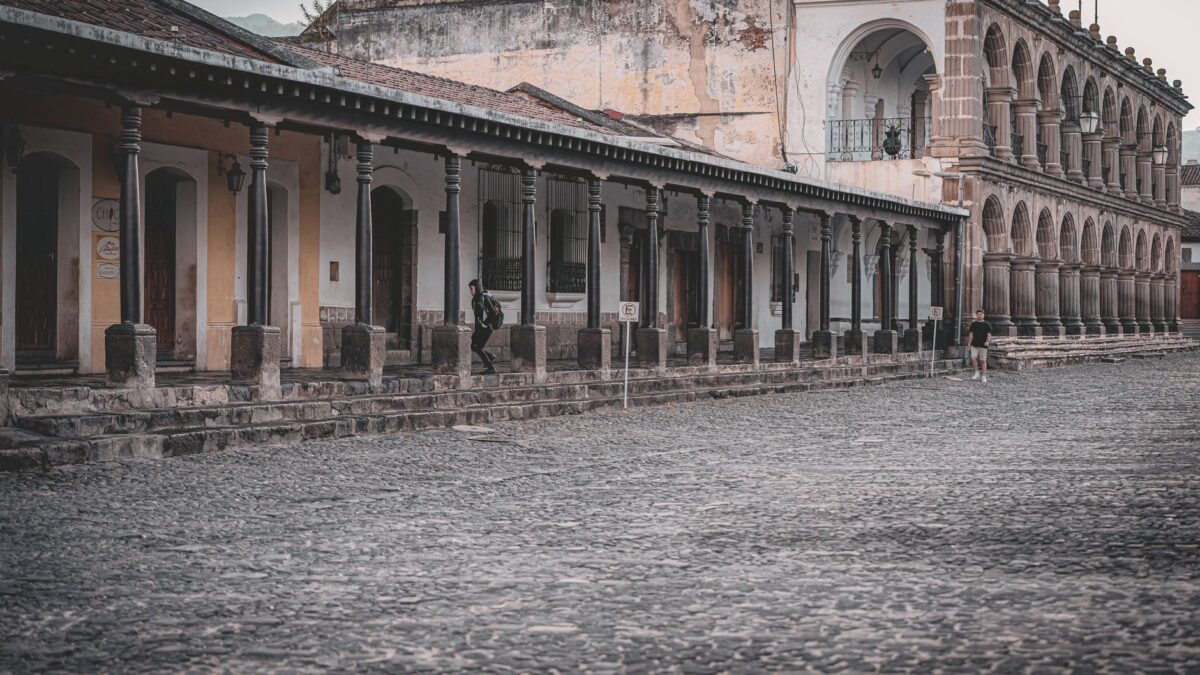
The air in Guatemala City tastes of wet asphalt and roasted corn, a sensory signature that hits you the moment you step out of La Aurora International Airport. It is mid-October, the tail end of the rainy season, and the sky is a heavy, bruised grey. Around 16 degrees Celsius, with a light drizzle persisting for hours, the city settles into a rhythm that is both frantic and deeply traditional. As you navigate the streets between Zona 1’s colonial stones and the modern towers of Zona 10, remember that etiquette here is not about rigid rules, but about respect—for history, for community, and for the quiet dignity of daily life.
Greetings and the Art of ‘Buenos Días’
In Guatemala, warmth is currency. When you enter a shop, a taxi, or even just pass someone on the sidewalk, a simple “Buenos días” or “Buenas tardes” is mandatory. Leaving this unsaid marks you immediately as an outsider who does not value social cohesion. The Guatemalan concept of time is fluid; if you are running five minutes late to meet a local friend, do not apologize profusely. They will likely arrive ten minutes after you, smiling. Rushing creates anxiety; patience creates connection.
Handshakes are standard in business and formal settings, but among friends, a light kiss on the cheek (for women and mixed pairs) or a firm handshake with a pat on the shoulder (for men) is common. Do not be surprised if conversations drift closer than you might expect in North America or Northern Europe. This proximity signals trust, not intrusion. If you are visiting the historic Centro Histórico near the Palacio Nacional de la Cultura, observe how locals interact with street performers and vendors. A polite nod and a smile go further than any Spanish phrasebook.
Dining: Tipping, Coffee, and Community Tables
Guatemala’s culinary scene ranges from humble street stalls serving tamales to sophisticated dining in Zona 4’s creative district. Regardless of where you eat, tipping is expected and appreciated. In restaurants, a 10% tip is standard, though many upscale venues in Zona 10 may add it automatically—check your bill. For casual meals, rounding up or leaving small change is kind.
Consider the coffee culture. Guatemala produces some of the world’s finest beans, and coffee shops like El Injerto Coffee or Teco Coffee House are hubs of conversation. If you order a cappuccino, which costs around Q26 (approximately $3), staying for twenty minutes to chat is often encouraged over taking it away unless you are in a rush. In markets, such as the bustling Mercado Central in Zona 1, buying produce or snacks from a vendor requires a friendly demeanor. Ask about their day before haggling. While prices are generally fixed, a respectful inquiry never hurts.
If you dine at a mid-range restaurant, like those found along the pedestrian La Sexta avenue, expect a meal for two to cost roughly Q378–Q381 (about $50). These establishments often feature marimba music in the evening—a national instrument that should be listened to with reverence, not ignored while staring at your phone. The marimba is the heartbeat of the country; let its rhythm set the pace of your evening.
Dress Code: Modesty and Practicality
Dress in Guatemala City is practical yet neat. Because the city sits at nearly 1,500 meters above sea level, evenings can drop significantly in temperature, even in October. Layering is essential. For tourists, modesty is key, especially when visiting religious sites or rural areas outside the capital. In churches like the Catedral Metropolitana, avoid short shorts or sleeveless tops for women; cover your shoulders and knees out of respect for the sacred space.
In urban zones, particularly Zona 14 or Zona 15, expats and professionals dress smartly. However, blending in means avoiding flashy jewelry or expensive watches in crowded areas like Zona 1 or Zone 4. The goal is to look put-together without drawing unnecessary attention. Comfortable walking shoes are non-negotiable, given the cobblestones in the historic center and the unpredictable rain showers that sweep through the afternoon.
Safety, Transport, and Street Smarts
Etiquette also involves self-preservation. Petty theft is the primary concern, so keep a low profile. Use app-based taxis or registered yellow cabs (plates starting with ‘A’) rather than hailing random vehicles, especially at night. Public transit, including the Transmetro BRT system, is affordable—single fares are around Q10—but requires vigilance. Keep your bag closed and in front of you.
Be aware of local disruptions. For instance, health-worker blockades have recently affected Transmetro Line 7, limiting service between Incienso Norte and Incienso Sur. Always check local news or ask your hotel concierge for current transit updates before heading out. During festivals, such as the ongoing Feria del Rosario in Zona 1, crowds swell. Respect the religious processions; do not block paths for photos, and speak quietly. These are sacred times for locals, not just tourist spectacles.
When interacting with police or officials, remain calm and polite. Corruption exists, but overt aggression rarely helps. Have your passport and visa documentation ready. Most visitors from the US, UK, EU, and other allied nations enter visa-free for 90 days under the CA-4 agreement. Ensure your passport is valid for six months beyond your stay.
Small Customs That Matter Locally
One subtle custom is the exchange of gifts or tokens when visiting homes or smaller businesses. It is not required, but bringing a small item, like a bottle of wine or a box of chocolates from your home country, is warmly received. Conversely, do not haggle aggressively over pennies with street vendors earning a living wage. A fair price is one that respects both parties’ dignity.
Language matters too. While Spanish is dominant, Guatemala is home to over 20 Mayan languages. Learning a few phrases in K’iche’ or Kaqchikel, such as “B’aqui” (Hello) or “Ma’ xik” (Thank you), in indigenous markets or highland towns shows profound respect. Even in the city, acknowledging the presence of indigenous culture enriches your experience.
Finally, embrace the concept of “mañana.” It does not mean procrastination; it means life happens on its own timeline. If a tour is delayed due to rain or traffic, laugh it off. Join the locals in complaining about the congestion—Zona 1 sees hundreds of thousands of vehicles daily—but do so with humor. Your ability to adapt with grace will earn you more goodwill than any perfect itinerary ever could.
Frequently asked questions
Is tipping expected in Guatemala restaurants?
Yes, a 10% tip is standard in restaurants. Check your bill first, as some upscale venues in Zones 10 or 1 may include it automatically.
What is the best way to pay for transport in Guatemala City?
The Transmetro BRT system uses cash fares (around Q10), but for safety, use app-based services like Uber or registered yellow taxis, especially at night.
Do I need a visa to visit Guatemala City?
Citizens of ~83 countries, including the US, UK, and EU, enter visa-free for 90 days under the CA-4 agreement. Bring a passport valid for 6+ months.
How should I dress when visiting churches in Guatemala?
Dress modestly. Cover shoulders and knees, especially in the Catedral Metropolitana or when attending religious processions during festivals like the Feria del Rosario.
Things to do in Guatemala
 Guatemalan Cooking Class & Market Tour
 Coffee Tour Adventure Antigua Guatemala
 Private Ground Transfer From Antigua To Guatemala City Airport
 Antigua Coffee Tour by Local Producers
 Experience: Organic Coffee, Avocados, Honey & More!
 Tikal Full Day with Dedicated Exploration of the Archaeological Monuments.