

Guatemala in October 2026: what travelers should know now
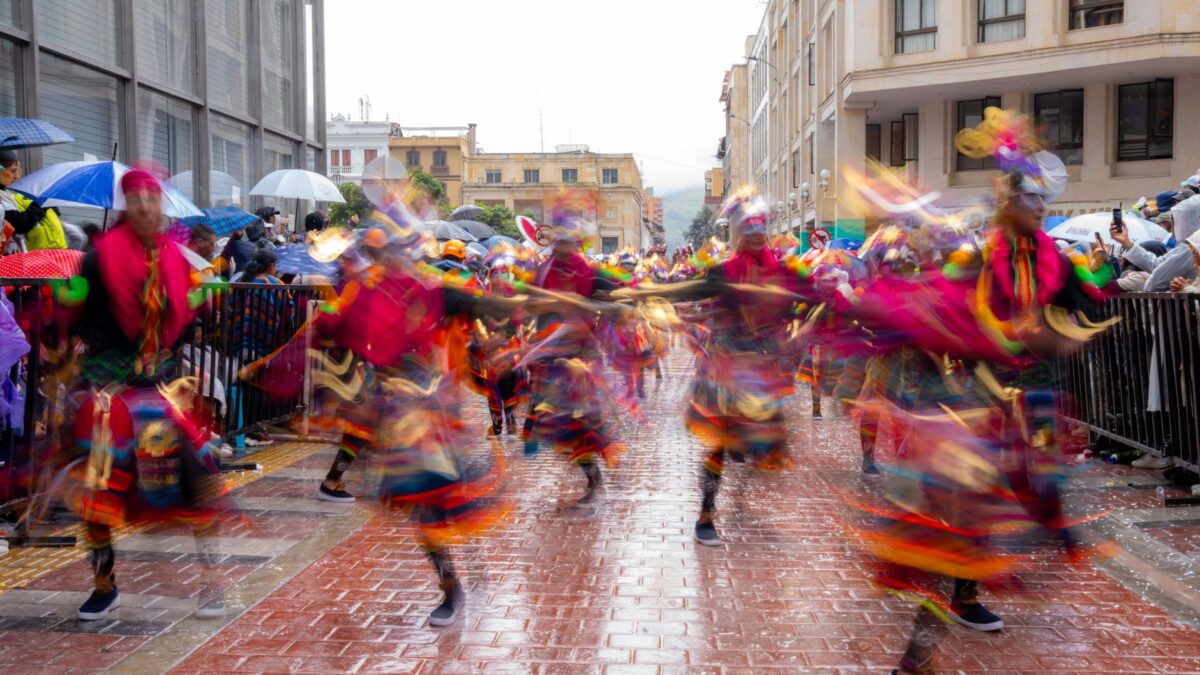
It is mid-October, and the sky over Guatemala City is that familiar, heavy slate-grey. As of today, October 16, 2026, the air is thick with humidity, and a light drizzle has been falling steadily since early morning. This is the tail end of the rainy season, a time when the city feels both washed clean and weighed down by clouds. If you are arriving now, you are stepping into a specific rhythm: the frantic energy of festival preparations colliding with the quiet, persistent dampness that defines our highland capital in autumn. The temperature sits comfortably between 17°C and 26°C, but that 4mm of rain already logged this morning is just the start. You will need to pack for wet feet and dry spirits.
The Seasonal Rhythm: Rain, Festivals, and Fog
Right now, we are in the transition zone. The mornings are humid and grey, often breaking into heavier downpours by afternoon. For travelers, this means your sightseeing window is short—plan outdoor activities for before noon or late afternoon when the skies might clear. The rain also brings a unique scent to the Zona 1 historic center, where the cobblestones glisten under the streetlights.
Despite the weather, the city is vibrant. We are currently in the middle of two major cultural events that define this month. First, the Feria del Rosario is running all month long along 10a calle (between 11th and 13th Avenues) and 11 Calle in Zona 1. It is a mix of religious devotion and street fair chaos, with stalls selling everything from traditional foods to handmade crafts. Second, the 29th Festival del Centro Histórico has taken over the historic heart from October 7 through October 17. Expect about 150 free concerts, guided tours, and workshops spread across more than 30 venues. The festival closes tonight, October 17, with a large concert at the Plaza de la Constitución. It is a great reason to be out and about, even if it is raining; the indoor venues offer plenty of shelter and culture.
Holidays and Closures Coming Up
As you plan your next few weeks, mark your calendar for two significant dates. On October 20, just four days from now, we celebrate Revolution Day (Día de la Revolución). While it is not as commercially explosive as Independence Day, expect some government offices to close and public transport schedules to be adjusted. It is a day of reflection and occasional rallies, particularly around the Plaza de la Constitución.
Looking further ahead, All Saints’ Day (Día de Todos los Santos) falls on November 1. In Guatemala, this is a profound cultural moment. Families visit cemeteries to clean graves and place flowers. While tourist sites may remain open, local services can slow down, and traffic patterns shift significantly toward the outskirts where cemeteries are located. If you have plans to travel to Antigua or Lake Atitlán around that weekend, book well in advance, as domestic tourism spikes.
Current Transport Disruptions and Safety Alerts
This is the most critical part of your briefing for this week. There is an active situation affecting movement in the city. Since October 13, health workers (salubristas) have been staging blockades on Avenida Elena and sections of the Periférico/Roosevelt highway. These protests have directly impacted public transit.
Transmetro Line 7 is currently restricted to only the Incienso Norte–Incienso Sur stretch. This means several key stops—including San Juan de Dios, Pasaje Aycinena, Colón, La Merced, Cruz Roja, Archivo General, and Santuario de Guadalupe—are disabled. If you are staying in or visiting Zona 1, rely on walking, official yellow taxis, or app-based rides like Uber and InDrive rather than trying to navigate the bus rapid transit system in this zone. Traffic is already intense, with reports of over 700,000 vehicles entering the capital daily from surrounding municipalities like Mixco and Villa Nueva. Add protest blockades to that, and delays are guaranteed. Leave extra time for every trip.
Safety is also a topic of concern right now. On October 14, a daylight armed robbery of Joyería Estrella on 9a Calle in Zona 1 was filmed from a passing bus and widely shared online. This has heightened anxiety in the Centro Histórico. While Zona 1 is lively during the day due to the festivals, exercise extreme caution here at night. Stick to well-lit main avenues, avoid dark side streets, and use registered taxis for evening travel. Safer residential bases for visitors are Zones 10, 14, and 15, where the lighting is better and security presence is higher.
Costs and Practicalities for October 2026
Guatemala remains moderately affordable, though rents are drifting upward. Here is what you can expect to spend roughly in Guatemalan Quetzales (GTQ), with US dollar equivalents for context:
- Meals: An inexpensive local meal costs about Q52 ($7). For a nice three-course dinner for two at a mid-range restaurant, budget around Q378–381 ($50).
- Accommodation: A mid-range hotel or guesthouse apartment-style stay runs about Q280 ($36) per night. Monthly rent for a modest one-bedroom in the center is approximately Q4,200–6,300 ($680+), while outskirts are closer to Q4,000.
- Transport: A single Transmetro or bus fare is Q10 ($1.3). Official yellow taxi base fares start at Q40 ($5). A monthly public transport pass is Q109 ($14).
- Dining Out: A cappuccino costs about Q26 ($3), and a local draft beer is Q25 ($3). Milk (1 liter) is Q16 ($2.1).
Currency exchange: Avoid airport booths for large sums; they offer poor rates. Use ATMs from major banks like Banco Industrial, BAC Credomatic, or Banco G&T Continental, which are widespread and generally reliable. Always declare your digital DJRV travel form via the SAT portal upon entry, replacing the old paper system.
Where to Go and What to See Now
If you want to escape the rain and the crowds, head to the museums. The Museo Nacional de Arqueología y Etnología in Zona 13 houses the country’s largest Maya collection, including the Jade Mask from Tikal. The Museo Popol Vuh near the Universidad Francisco Marroquín offers stunning pre-Columbian art. Both are indoors and climate-controlled.
For food, explore Zona 4 (Cuatro Grados Norte). This creative district is home to independent cafes like Teco Coffee House and Alegría Café, perfect for warming up with a hot drink while watching the rain. Restaurants like Rayuela and Los Tres Tiempos in the historic center offer excellent local cuisine if you prefer dining within walking distance of the festival venues. Hotels like Casa Granada or Suites Terraza Imperial provide comfortable stays with easy access to these cultural hubs.
In summary: embrace the rain, respect the blockades, enjoy the festivals, and stay alert in Zona 1 after dark. Guatemala in October is moody, beautiful, and alive with activity. Welcome to the capital.
Frequently asked questions
Is Transmetro Line 7 operating normally in October 2026?
No. Due to health worker blockades starting October 13, Line 7 is restricted to the Incienso Norte–Incienso Sur stretch only. Several central stops are disabled.
What major festivals are happening in Guatemala City this month?
The Feria del Rosario runs all month in Zona 1, and the 29th Festival del Centro Histórico runs until October 17, featuring over 150 free concerts and workshops.
When is Revolution Day in Guatemala 2026?
Revolution Day is on October 20, 2026. Some government offices may close, and public transport schedules may be adjusted.
How much does a typical meal cost in Guatemala City?
An inexpensive local meal is about Q52 ($7), while a three-course meal for two at a mid-range restaurant costs around Q378–381 ($50).
Are there any current safety concerns in Zona 1?
Yes. Following a recent armed robbery on 9a Calle, caution is advised in Zona 1, especially at night. Use registered taxis and stick to well-lit areas.
Things to do in Guatemala
 Guatemalan Cooking Class & Market Tour
 Coffee Tour Adventure Antigua Guatemala
 Private Ground Transfer From Antigua To Guatemala City Airport
 Antigua Coffee Tour by Local Producers
 Experience: Organic Coffee, Avocados, Honey & More!
 Tikal Full Day with Dedicated Exploration of the Archaeological Monuments.