

How much does a trip to Australia cost?
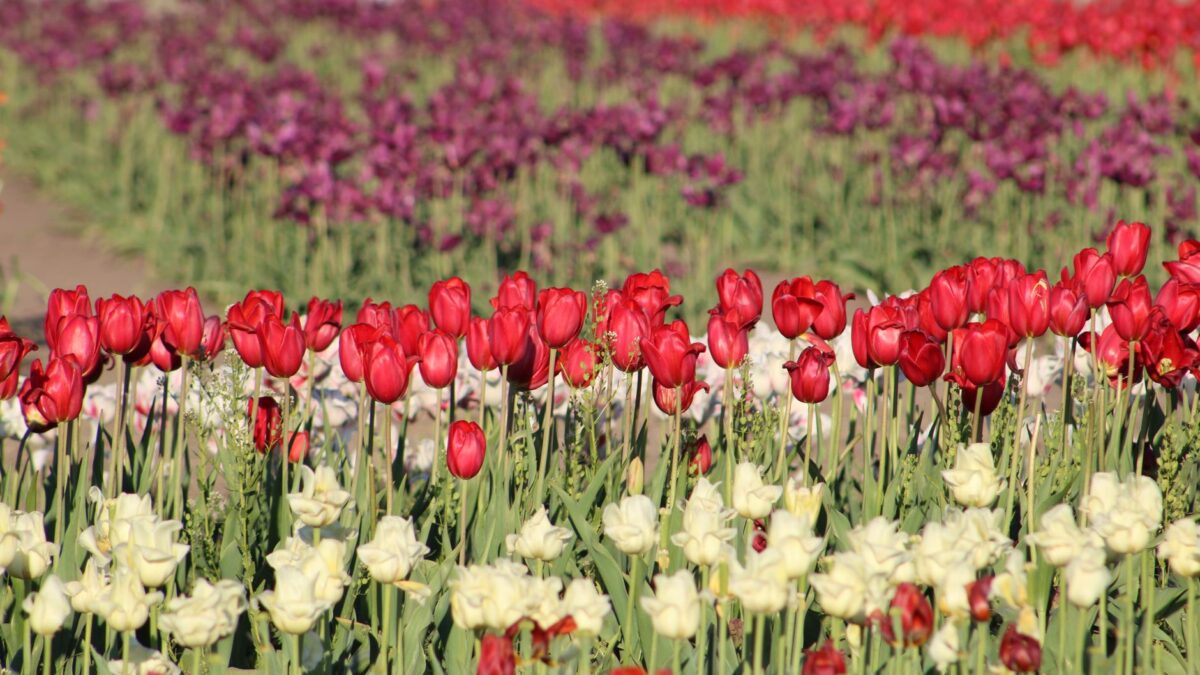
The first weekend of spring in Canberra hits you like a crisp exhale. It’s September 2026, and the air is sharp—hovering around 16°C during the day but dropping to a frosty 2°C by dawn. The bare branches of the Australian National Botanic Gardens are just beginning to blush with colour as crews finish planting the million bulbs for Floriade, Australia’s biggest flower festival. If you’re planning a trip now, you’re stepping into a city that feels both vast and intimately manageable. But before you pack your bags, let’s talk about the elephant in the room: money. Australia isn’t cheap, but Canberra? It’s the capital, yet it doesn’t carry Sydney’s price tag or Melbourne’s premium. Here is exactly what you’ll spend to live like a local here.
Where You’ll Sleep: Accommodation Realities
Housing costs in the ACT have risen only about 3% in 2025, keeping rents relatively stable compared to coastal giants. For visitors, this stability trickles down to hotel rates. A mid-range hotel in the city centre—think places like the Mercure Canberra or Deco Hotel—will set you back roughly A$180–250 per night. If you want something more boutique or unique, Jamala Wildlife Lodge offers an unforgettable experience where you sleep next to lions and kangaroos, though that luxury comes at a premium well above the standard rate.
For budget travellers, hostels and tourist parks are your best friend. Alivio Tourist Park Canberra provides affordable dorm-style beds if you’re travelling light. And remember, if you’re staying longer, monthly rents for modest one-bedroom units hover between A$2,000 and A$2,600. That median weekly rent of A$683 tells you why long-term stays can be negotiated down, but for a short holiday, stick to the nightly rates. Booking early is wise, especially since the King’s Birthday holiday falls on September 28, 2026, which will drive up demand for central rooms.
Eating Like a Local: From Flat Whites to Fine Dining
Canberra’s food scene is concentrated in specific districts, and knowing where to eat saves both time and money. Start your morning in Braddon, the inner-north foodie strip along Lonsdale Street. Grab a takeaway flat white from The Cupping Room or East Row Cafe; expect to pay about A$5. It’s a small cost, but it’s the fuel of the city.
Lunch is straightforward. An inexpensive meal at a casual eatery—like a sandwich from Rebel Rebel or a bowl at Such and Such Restaurant—runs about A$23–25. If you’re cooking yourself, groceries are reasonable: a litre of whole milk is around A$1.66, and a loaf of bread is roughly A$2.10. Dinner out varies wildly. A three-course meal for two at a mid-range restaurant, excluding drinks, will cost approximately A$115–130. However, you can find incredible value in Dickson, where Woolley Street serves as Canberra’s Chinatown. Asian dining here is plentiful, competitive, and often cheaper than Western-style bistros.
Don’t forget the beer culture. A domestic 500ml bottle costs about A$6 at a supermarket like Coles or Woolworths, but at a pub, that same beer jumps to A$11–12. If you’re visiting BentSpoke Brewing in Braddon, their Crankshaft IPA is a local staple, priced slightly higher than the average pub pint but worth every cent for the quality.
Getting Around: Transport Costs and Tactics
Canberra is designed for cars, but public transport is surprisingly efficient and affordable thanks to the MyWay+ system. Launched fully in January 2025, this account-based ticketing system works on buses and the light rail. You tap on and off using a contactless credit card, the MyWay+ app, or a physical A$5 card. As of January 2026, fares rose slightly due to inflation: peak fares are around A$3.41, while off-peak rides drop to A$2.70.
The smartest way to travel is to hit the daily cap. On weekdays, once you’ve spent A$9.89 (or roughly A$10.16 under the latest caps depending on exact timing), your travel for the rest of the day is free. This includes transfers within 90 minutes. The light rail Line R1 connects Gungahlin to Civic, running through the heart of the city. Taxis are available but expensive; the flag fall is around A$5, so unless you’re going far, stick to the bus.
If you’re renting a car, note that petrol prices fluctuate with global markets, but insurance and parking in Civic can add up. Parking meters in the CBD charge hourly rates that add up quickly over a full day. For most tourists, relying on MyWay+ and walking between districts like Civic, Braddon, and Kingston Foreshore is not only cheaper but allows you to see the city’s planned layout up close.
Attractions: Free Culture and Paid Adventures
One of the best-kept secrets of Canberra is that its crown jewels are free. The National Gallery of Australia, the National Portrait Gallery, and the National Museum of Australia all offer free general admission. You can spend hours wandering Sidney Nolan’s paintings at the Gallery or exploring national identity stories at the Museum on Acton Peninsula. Special exhibitions may cost extra, but the core experience is wallet-friendly.
Other highlights include Questacon, the National Science and Technology Centre, which has an entry fee but offers hands-on fun that justifies the cost. The Royal Australian Mint nearby lets you mint your own A$1 coin for a small fee—a great souvenir. For nature lovers, the Australian National Arboretum requires a ticket, but the views of the 100+ forests of rare trees are unparalleled. If you head to Black Mountain, Telstra Tower offers 360-degree views of the city and surrounding hills for a modest entrance fee.
Keep an eye on the seasonal calendar. Floriade runs from September 12 to October 11, 2026, with free daily entry to Commonwealth Park. The Canberra Art Biennial also opens the Lake Burley Griffin foreshore to open-air art from September 11. These events are free, meaning your budget goes further when you align your visit with these cultural moments.
Daily Budget Breakdown: How Much Do You Need?
So, what does a day look like in AUD? Here is a realistic breakdown for three types of travellers:
- Budget Traveller: Stay in a hostel or tourist park (A$40–60/night), cook some meals or eat cheaply (A$30/day), use public transport (A$10/day cap), and enjoy free attractions. Total: A$80–100 per day.
- Mid-Range Traveler: Stay in a mid-range hotel (A$200/night), eat at casual cafes and one nice dinner (A$70/day), mix transport modes (A$10/day), and pay for one paid attraction like Questacon or the Arboretum. Total: A$280–350 per day.
- Comfortable/Luxury Traveler: Stay in a premium hotel or lodge (A$400+/night), dine at high-end venues (A$150+/day), hire taxis or rent a car, and enjoy guided tours or private experiences. Total: A$600+ per day.
Remember, currency exchange matters. With the Australian dollar trading around 1.515 against the US dollar, international travellers often find that their purchasing power stretches further here than in Europe or North America, especially for services like dining and accommodation.
Canberra in spring is magical. The weather is crisp, the flowers are blooming, and the city is alive with energy. By understanding these costs upfront, you can focus on what really matters: walking along Lake Burley Griffin, watching the sunset from Black Mountain, and enjoying the warmth of a local pub after a cool Canberra evening. Plan wisely, travel lightly, and enjoy the Bush Capital.
Frequently asked questions
Is Canberra expensive for tourists?
Canberra is generally more affordable than Sydney or Melbourne. While mid-range hotels cost around A$180–250 per night, many major attractions like the National Gallery and National Museum are free, helping keep daily costs lower.
How much does public transport cost in Canberra?
Using the MyWay+ system, peak fares are about A$3.41 and off-peak are A$2.70. There is a weekday daily cap of roughly A$10, making it very affordable for getting around the city.
What are good budget dining options in Canberra?
Dickson’s Woolley Street offers affordable Asian dining, often cheaper than Western restaurants. Casual lunches in Braddon or Civic cost around A$23–25, and supermarkets provide cheap ingredients for self-catering.
When is the best time to visit for festivals and low costs?
September and October feature Floriade and the Art Biennial with free entry. Avoiding peak holidays like the King’s Birthday (late Sept) can help secure better accommodation rates.
Do I need a visa to visit Canberra?
Yes, everyone except NZ citizens needs a visa. EU/UK/EEA passport holders should apply for an eVisitor, while US/Canadian/Japanese/Singaporean citizens need an ETA applied for via the Australian ETA app.
Things to do in Australia
 Kayak to Goat Island in Sydney Harbour with Local
 Flying Fox Experience, Thousands of Australia's Largest Bat
 Likely to sell out
Full Day Kayaking Tour in Coorong National Park
Likely to sell out
Full Day Kayaking Tour in Coorong National Park
 Margaret River Coastal and Wildlife Eco Trip from Busselton or Dunsborough
 Winemaking Class at McCaffrey's Estate
 Byron Bay Brewery & Distillery Tour: Tastings, Lunch & transfers