
How much does a trip to Bulgaria cost?
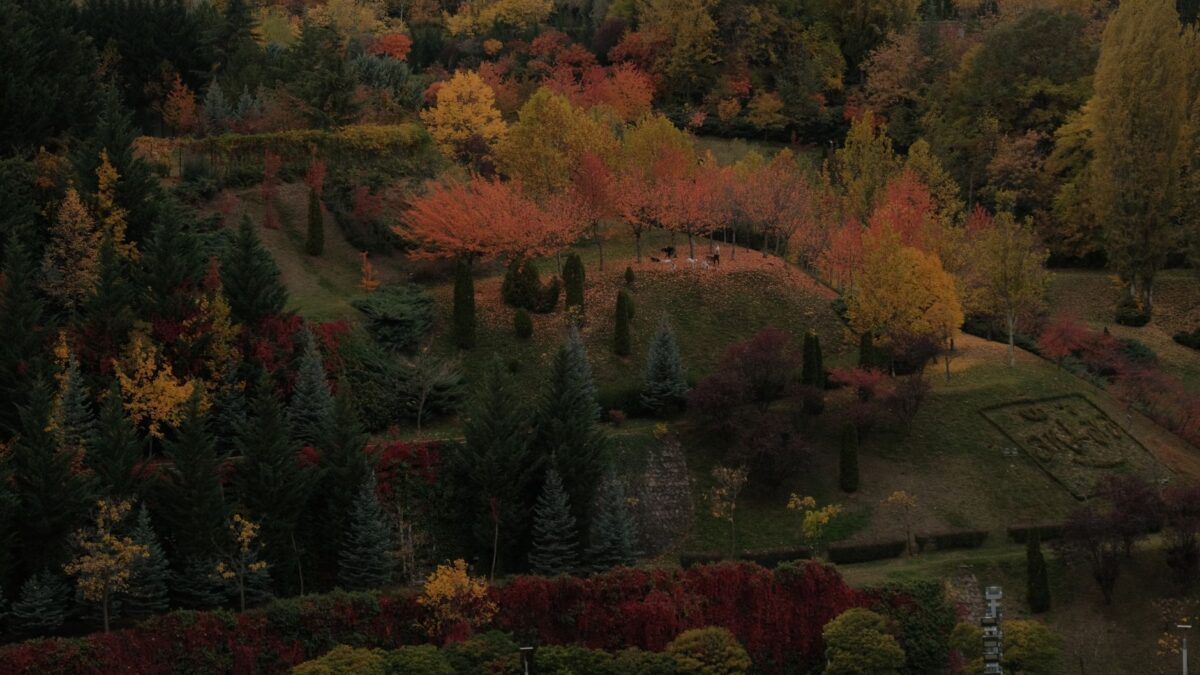
It is a crisp late September afternoon in Sofia, and the air carries that specific, clean bite of early autumn. The summer festivals have wrapped up, leaving the boulevards busy with locals who know exactly how to use the cooling weather: long walks through Borisova Gradina park, coffee on terraces, and the quiet hum of a city settling into its rhythm. If you are standing here wondering what your wallet will look like by the end of the week, take a breath. Bulgaria remains one of the most affordable gateways into Europe, and Sofia, despite its status as a capital, does not bite nearly as hard as Vienna or Paris.
I am Georgi Dimitrov, and I want to walk you through the real cost of visiting my city. We are looking at prices in Bulgarian leva (BGN), keeping in mind that while the euro is now the legal tender following the 2026 changeover, many local establishments still display reference prices in leva for familiarity. Let’s break down what it actually costs to live, eat, and explore here for a day.
The Daily Grind: Food and Drink
Eating in Sofia is where you will find the biggest joy—and the smallest receipt. You do not need to spend much to eat well. A simple breakfast or lunch can be had for very little if you know where to look. Grab a piece of banitsa, that flaky cheese pastry that is the soul of Bulgarian mornings, from a local bakery for about 2.50 BGN. Pair it with a tarator, the cold yogurt-cucumber soup that is perfect for these cooler days, and you are looking at roughly 4.50 BGN.
If you prefer a sit-down meal, an inexpensive local restaurant will serve you a hearty single dish or menu for around 15 BGN. Inexpensive cafés might even drop a bill to 9 BGN. For a mid-range experience, perhaps a two-course dinner in a nicer spot, budget between 30 and 40 BGN per person. However, be aware that business-district set lunches can be surprisingly cheap—around 18 BGN—while upper-range mains in trendy areas like Lozenets can push past 50 BGN.
Coffee culture here is serious but accessible. A cappuccino in a local café averages about 3.50 BGN, though specialty roasters like Martines Specialty Coffee Shop & Roastery Sofia or Izzy’s Coffee and Brunch might charge closer to 5.15 BGN. And if you want to relax in a neighbourhood pub with a draft beer, expect to pay around 4.30 BGN for a pint. It is a small price to pay for the atmosphere.
Where You Sleep: Accommodation Realities
Affordability shifts slightly when you look at overnight stays. For a budget-conscious traveller, hostels or basic guesthouses can be found for around 45 BGN for a double room, though this is on the lower end. A more realistic mid-range hotel or guesthouse double room will run you approximately 120 to 180 BGN per night. This gets you comfort, central location, and hot water without breaking the bank.
If you are planning a longer stay or traveling with family, consider the apartment route. Monthly rent for a modest one-bedroom flat in the city or outer districts sits around 885 BGN. While this is a long-term figure, it illustrates the baseline cost of living here. For short-term visits, boutique hotels like L’Opera House or Apart Hotels Sofia offer a middle ground, often blending local charm with modern amenities at rates that remain reasonable compared to Western European capitals.
Moving Around: Transit and Transport
Sofia’s public transport system is efficient and incredibly cheap. A single ticket for the bus, metro, tram, or trolleybus, which allows for a 30-minute transfer, costs just 1.60 BGN. You can tap a contactless bank card at the metro turnstiles, and you will be capped at 4 BGN per day, making it almost impossible to overspend on getting from point A to point B.
If you are staying for a while, a monthly all-transport pass is available for 50 BGN, or 35 BGN if you only need metro access. Note that currently, there is ongoing construction for the new Pancho Vladigerov station, meaning metro trains do not run between Slivnitsa and Obelya stations; buses 31 and 81 bridge this gap until January 2027. Despite this, the network is robust.
Taxis are also affordable. A typical short ride within the city costs around 9.50 BGN, while an 8 km journey might be closer to 14 BGN. Always use a reputable app like Bolt to avoid haggling, and ensure your driver validates the meter. Remember, inspectors are active and fine 40 BGN on the spot for unvalidated tickets on public transit, so keep your proof of purchase handy.
Attractions and Culture: Free Views and Paid Gems
One of the best things about Sofia is that much of its beauty is free. Walking through the Triangle of Religious Tolerance, where St. Alexander Nevsky Cathedral, a mosque, and a synagogue stand near each other, costs nothing. Hiking up Vitosha Nature Park, visible from almost everywhere in the city, is free, though the cable car to Cherni Vrah summit costs extra. The City Garden and the parks around the National Palace of Culture (NDK) are perfect for spending an evening as the temperature drops.
For paid attractions, the National Museum of History and Muzeiko offer deep dives into Bulgaria’s complex past, from Thracian gold to socialist-era art. Tickets for major museums typically range from 10 to 15 BGN. If you are visiting during late September, check out the Sofia DocuMental film festival, screening across venues like Cinema House and the French Institute, or catch the breakdancing tournament at the NDK. These cultural events add flavor to your trip without adding significant cost.
Putting It All Together: Your Daily Budget
So, what is the bottom line? Here is a rough daily breakdown for a solo traveler:
- Budget Traveler: Hostels (45 BGN), street food/bakeries (10 BGN), public transit (1.60 BGN), free sights. Total: ~60 BGN. You can survive comfortably on this if you embrace local habits.
- Mid-Range Traveler: Mid-range hotel (150 BGN), nice lunch and dinner (40 BGN), transit (4 BGN cap), one museum entry (10 BGN). Total: ~205 BGN. This allows for flexibility, better restaurants, and occasional taxis.
- Comfortable Traveler: Boutique hotel (250+ BGN), fine dining (60 BGN), private transfers or multiple taxis (30 BGN), guided tours or premium experiences. Total: ~350+ BGN. This level lets you enjoy the finer aspects of Sofia’s growing culinary and hospitality scene.
Sofia is welcoming, safe, and surprisingly economical. Whether you are here for the IT hub buzz in Mladost, the diplomatic quiet of Geo Milev, or the historic heart of the city, your lev will go far. Just remember to validate your tickets, try the garash cake (about 5 BGN a slice), and enjoy the crisp autumn air.
Frequently asked questions
Is Sofia expensive compared to other EU capitals?
No, Sofia remains one of the cheapest EU capitals. Prices are broadly stable, and while the euro was adopted in 2026, costs for food and transit remain significantly lower than in Western Europe.
How much does a meal cost in Sofia?
An inexpensive local meal costs around 15 BGN, while a mid-range restaurant dinner is about 30-40 BGN per person. Street food like banitsa is roughly 2.50 BGN.
What is the best way to get around Sofia cheaply?
Use the public transit system (metro, bus, tram). A single ticket is 1.60 BGN, and tapping a contactless bank card caps daily spending at 4 BGN.
Are taxis safe and affordable in Sofia?
Yes, using apps like Bolt is recommended. A typical short ride is around 9.50 BGN. Avoid hailing random cabs to ensure fair pricing.
Do I need a visa to visit Sofia, Bulgaria?
Bulgaria joined Schengen fully in Jan 2025. US/UK/EU/Canadian travelers can stay visa-free for 90 days in any 180-day period under standard Schengen rules.
Things to do in Bulgaria
 Borovets: Private Ski or Snowboard Tuition
 Half Day Tour around Sofia and the mountains with Thermal Spa
 Food Walk: Bulgarian Food and Culture Tour in Plovdiv
 Sofia Discount Card – Balloon Flights, ATV, Spa, 70+ Experiences
 Private Wine Tasting in the UNESCO town of Nessebar
 Plovdiv, Asen's Fortress and Bachkovo Monastery small group tour with pickup