

How much does a trip to Cambodia cost?
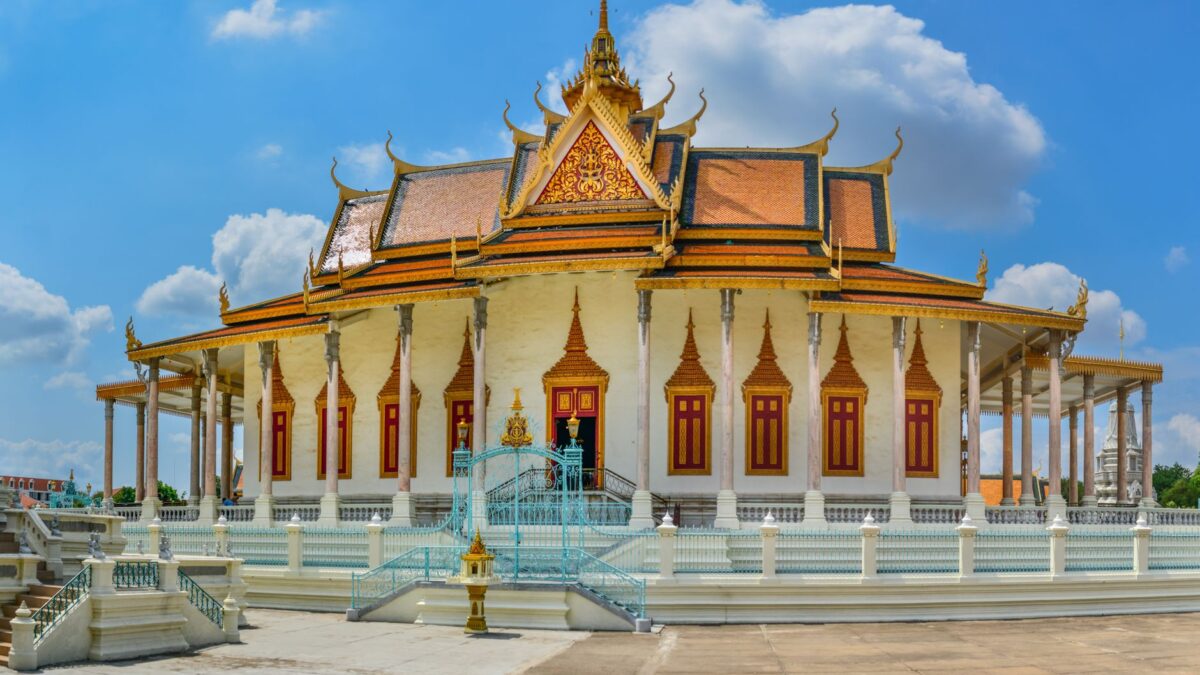
It is late September in Phnom Penh, and the air feels like a warm, wet towel pressed against your face. The temperature hovers around 25–29°C, but with the humidity, it feels closer to 33°C. Just yesterday, 19mm of rain fell over a single day, turning the streets into quick-flowing rivers. You are standing on Sisowath Quay, watching the Mekong, Tonle Sap, and Bassac rivers converge under a slate-grey sky. This is the “green season”—a time when Cambodia turns lush, traffic grinds to a halt, and the city breathes differently.
Many travelers ask me how much it costs to experience this duality: the gritty resilience of a recovering post-conflict nation and the polished comfort of a modernizing capital. The answer depends entirely on where you sleep, what you eat, and how you navigate the chaos. But let’s be clear: Cambodia remains one of the most accessible destinations in Southeast Asia for every type of budget. Using the local currency, the Cambodian riel (KHR), alongside the ubiquitous US dollar, here is a realistic breakdown of what you will actually spend in 2026.
The Currency Reality: Dollars, Riel, and QR Codes
Before you pack a single item, understand that Cambodia runs a dual-currency economy. While prices for hotels and larger transactions are often quoted in USD, smaller purchases—street food, bus fares, market goods—are frequently handled in riel. As of late 2024 data, the exchange rate sits at roughly 4,072 KHR per US$1. Inflation is low at 2.4%, meaning your purchasing power remains strong.
You might notice that physical cash is becoming less central. Most day-to-day payments now go through the National Bank of Cambodia’s Bakong / KHQR system. If you have a local banking app from ABA Bank, ACLEDA Bank, Canadia Bank, or Wing Bank, you can scan a QR code at almost any stall or shop. However, as a visitor, carrying crisp, unmarked US dollar bills for small vendors and riel coins for change is still the safest bet. Keep in mind that since January 2026, physical passport stamps are replaced by an emailed v-Pass (Visitor Pass), so keep your digital immigration details handy on your phone.
Daily Budget Breakdowns
To give you a clear picture, I have categorized costs into three styles of travel. These estimates assume you are staying in Phnom Penh, the capital, where prices are slightly higher than in rural provinces but still remarkably affordable.
Budget Traveler: $25–$35 per day
If you are backpacking or traveling long-term, Phnom Penh is forgiving. For accommodation, you can find beds in hostels or basic guesthouses in the Toul Tom Poung (Russian Market) area for about $8–$12 per night. This district is grittier, more local, and home to many digital nomads and NGO staff. Your meals will consist of street-side noodles, fresh spring rolls, and fruit from the markets. A bowl of nom banh chok (Khmer noodle soup) costs around $1.50–$2.00. Transport is key here: use the Phnom Penh City Bus network, which charges a flat fare of roughly 1,500 KHR ($0.37), or walk. Attractions like Wat Phnom or wandering the Central Market (Phsar Thmei) are free or cost pennies.
Mid-Range Traveler: $60–$90 per day
This is the sweet spot for most couples or solo travelers who want comfort without luxury. You might stay in a serviced apartment or a boutique hotel in BKK1, the expat hub known for its specialty coffee shops and international schools. Expect to pay $30–$50 per night for a clean, air-conditioned room with a pool. For food, you can enjoy meals at places like selapak coffee and eatery or Lagràce Cafe, where a hearty lunch runs $6–$10. Transport shifts to ride-hailing apps like Grab, PassApp, or Tada. A tuk-tuk or car ride across town might cost $3–$5. Entry to major sites like the Royal Palace or the National Museum of Cambodia typically runs $10–$15 per person.
Comfortable/High-End Traveler: $150+ per day
For those seeking high-end experiences, Phnom Penh offers sophisticated options. Hotels like Hôtel KVL | Riverside Phnom Penh or The ONRA Hotel provide premium amenities for $80–$120+ per night. Dining becomes an event: reserve a table at Riverview Restaurant & Bar or AURA – Phnom Penh for fine dining with river views, where meals can exceed $30–$50 per person. Private tours, spa treatments, and nightlife on the riverside bar strip add up quickly. However, even here, you are getting exceptional value compared to Western prices.
Hidden Costs and Seasonal Realities
While daily expenses are predictable, several factors can impact your budget in September. First, the rainy season means unexpected costs. Flooded streets may force you to rely more on motorbike taxis or ride-hailing apps rather than walking, increasing transport costs. Additionally, if you plan to visit outside the city, such as Koh Dach (Silk Island) or the Tonle Sap wetlands, boat fees and tour guides add to the bill.
There are also political and logistical considerations. Currently, Phnom Penh is hosting the International Conference on Combating Online Scams (ICCOS-2026), leading to increased police checks and traffic diversions. While this does not directly raise prices, it may affect your movement. For instance, a section of Xi Jinping Boulevard (3rd Ring Road) is closed for the new Mekong river bridge construction, causing daily detours. Be prepared for longer commute times, which might mean more frequent rideshares.
Furthermore, ensure you comply with local regulations. New residents must be registered in the FPCS (Foreigners Present in Cambodia System). If you are staying in a guesthouse or hotel, they should handle this automatically. However, if you rent an apartment, verify that your landlord registers you within 24 hours. Missing registration can lead to fines of up to 30,000 KHR per unregistered foreign tenant and complicate visa extensions.
Practical Tips for Managing Money
To stretch your budget further, consider these local insights:
- Visas: Most nationalities need a visa. The tourist e-Visa costs US$36 (US$30 fee + US$6) via evisa.gov.kh. Visa on arrival is US$30 for tourists. Remember to file the free Cambodia e-Arrival card at arrival.gov.kh within 7 days of arrival.
- Transport: Avoid unsolicited tuk-tuks. Use apps like Grab or PassApp for transparent pricing. The Techo International Airport, opened in September 2025, is about 19 km south of the center; allow 40–60 minutes for transit into town.
- Safety: Central Phnom Penh is generally safe. The main risks are motorbike bag-snatching (especially late at night near the Riverside) and traffic accidents. Carry your passport or a clear photo of it during ID checks.
- Connectivity: Buy a prepaid SIM from Smart Axiata, Cellcard, or Metfone at the airport or kiosks. Passport registration is required by law. Good-value data bundles are widely available.
Cambodia’s beauty lies in its contrast—the ancient temples rising from the jungle, the bustling markets filled with the scent of lemongrass and fish sauce, and the resilience of its people. Whether you are spending $30 or $300 a day, you will find that your money goes far here. Embrace the rain, navigate the traffic with patience, and immerse yourself in the rhythm of life along the rivers. It is an experience worth every riels spent.
Frequently asked questions
How much does a tourist visa cost for Cambodia in 2026?
The tourist e-Visa costs US$36 (US$30 fee plus US$6 processing) applied for online at evisa.gov.kh. Visa on arrival at airports or land borders is US$30 for a T-class tourist visa.
Is it better to use US dollars or Cambodian Riel?
Cambodia uses a dual-currency system. US dollars are used for larger transactions like hotels and tours, while Cambodian Riel (KHR) is preferred for small purchases like street food and market items. Small change is often given in Riel.
What are the best ways to pay for daily expenses in Phnom Penh?
The Bakong/KHQR QR payment system is standard for daily transactions. Visitors can link foreign cards to local banking apps like ABA Bank or ACLEDA Bank for seamless QR payments, though cash remains essential for small vendors.
Are there hidden costs or scams to watch out for in Phnom Penh?
Avoid unsolicited tuk-tuk rides; use apps like Grab or PassApp for fixed prices. Ensure your accommodation registers you in the FPCS system to avoid fines. Be cautious of bag-snatching near the Riverside at night.
How has transportation changed with the new Techo International Airport?
Opened in September 2025, Techo International Airport is located about 19 km south of the city center. Allow 40–60 minutes for transit into Phnom Penh, and budget accordingly for rideshares or private transfers.
Things to do in Cambodia
 Siem Reap Angkor Airport Taxis (from Airport to Hotel)
 2-Day Private Angkor Wat, Floating Village & Countryside Tour
 Private 3-Days tour at comfortable areas
 Siem Reap Floating Village Sunset Jeep Tour / SUV Car Available
 2-Days in temples and other areas
 From Siem Reap: Angkor Wat and Floating Village 3-Day Trip